
Reviewed · CRUISES & BOAT TOURS
11 Days 10 Nights Leisure China Tour with Yangtze River Cruise
The Yangtze cruise is the payoff of this trip. This 11-day route strings together imperial Beijing, world-famous Xi’an, and a relaxing Yangtze River cruise through the Three Gorges era, with a mix of included admissions and hands-on local time like panda viewing and market wandering. You get to see big names, then slow down on the river.
I love how the tour builds in ticketed time where you really want it, like Tiananmen Square and the Forbidden City, plus the Mutianyu Great Wall segment that is often more comfortable than the most crowded sections. I also like the variety of spiritual and everyday stops, from the Temple of Heaven to hutongs and Xi’an’s Muslim Quarter shopping streets.
One consideration: this is a full-tilt itinerary. You’ll spend a lot of hours moving between cities and ports, and a few key shore moments are marked as admission not included, like some Fengdu-related options, so budget for extras if you want every add-on.
In This Review
- Key highlights worth caring about
- Price and value: what $2,484 includes, and what it does not
- Day 1 to Day 4: Beijing from ceremonial center to garden calm
- Tiananmen Square: the ceremonial heart
- Forbidden City: maximum scale, minimum guesswork
- Temple of Heaven: imperial spirituality outside the walls
- Hutong time: everyday Beijing in old lanes
- Summer Palace: an imperial garden that feels like a retreat
- Great Wall at Mutianyu plus Olympic Park: two very different Beijing moods
- Mutianyu Great Wall: famous views with a calmer vibe
- Beijing Olympic Park and the Water Cube
- Xi’an Days 5 to 6: Terracotta scale, then city walls and Buddhist roots
- Terracotta Warriors and Horses: the reason people come
- Bell Tower: a central landmark in the ancient city
- Muslim Quarter: shop, snack, and wander
- Xi’an City Wall: walk it in comfort, or pedal for fun
- Big Wild Goose Pagoda: Buddhist history that still feels alive
- The Yangtze cruise era: Fengdu, Qutang Gorge, and the Three Gorges Dam site
- Fengdu shore excursion: morning options at the port
- White Emperor City area and Qutang Gorge
- Three Gorges Dam Site: big engineering, practical scale
- Shanghai Day 10: temples, towers, gardens, and riverfront views
- Jade Buddha Temple: white jade and a calm interior
- Oriental Pearl Tower: skyline drama with 468 meters
- Yuyuan Garden: classical garden design in a compact footprint
- Nanjing Road and the Bund: city energy and the river skyline
- Pacing, comfort, and what to pack for a tour this full
- Guides and organization: the kind of service that makes the difference
- Should you book this 11-day Yangtze cruise tour?
- FAQ
- What does the tour price include?
- What cities are included in this 11 days, 10 nights route?
- Are admission tickets included for major attractions in Beijing?
- Are there any Yangtze shore excursions that are not fully included?
- Where does the tour start and end?
- Can I cancel for a full refund?
Key highlights worth caring about
- Major sights include admission, so you spend less time lining up and more time looking around
- Mutianyu Great Wall is positioned as a more relaxed-feeling Great Wall option
- Xi’an’s classics are front-loaded, including Terracotta Warriors and city-wall time
- Yangtze days mix gorge views with big infrastructure, including the Three Gorges Dam site
- Shanghai includes the essentials, from Jade Buddha Temple to Yuyuan Garden and the Oriental Pearl Tower
- Mobile ticketing plus hotel and port transfers reduce the usual chaos of independent travel
Price and value: what $2,484 includes, and what it does not
At $2,484 per person, you’re paying for a lot more than transportation. The package includes entrance fees and the Yangtze cruise, plus taxes and handling charges, which is where many “cheap” China deals start to fall apart once you add up tickets and transfers.
You also get real convenience value:
- Hotel accommodation for 10 nights
- Included meals: 10 breakfasts, 9 lunches, and 2 dinners
- Bottled water
- Driver or guide support, plus hotel and port pickup and drop-off
What’s not included is straightforward: international flights or train tickets, optional tours or extra meals, and any personal expenses. Also, some shore excursions note admission not included, so plan for on-the-spot costs if you decide to upgrade or add an extra site.
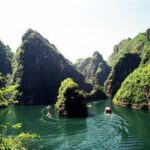
Slow down on the water
Day 1 to Day 4: Beijing from ceremonial center to garden calm
Beijing starts with an easy landing. You meet the guide at the airport, transfer to your hotel, and then you’re free to reset for the rest of the day. That first day matters more than people think, because Beijing sights are big, and you’ll get plenty of walking later.
Tiananmen Square: the ceremonial heart
Tiananmen Square is the world’s largest city-center square, with specially processed light-colored granite paving. The tour description also emphasizes the daily flag-raising and flag-lowering ceremonies, which is a useful heads-up for when to go and what kind of atmosphere you might catch.
Practical note: this is open space. Bring sun protection if you travel in warmer months, and keep your plans flexible for crowd flow. Even if you’re not into ceremonies, it’s a strong orientation point for the rest of the city.
Forbidden City: maximum scale, minimum guesswork
The Forbidden City, also called the Palace Museum, covers a massive area with more than 9,000 buildings. You get a dedicated 2-hour visit, and that time block is a good sign. Many shortcuts rush people through the highlights without letting you pause.
What I like here is the framing. You’re not only looking at buildings, you’re also being taught how the Ming and Qing dynasties lived and ruled here, including the fact that 24 emperors lived on-site across about 500 years. That context helps the place stop feeling like a maze and starts feeling like a working palace system.
Temple of Heaven: imperial spirituality outside the walls
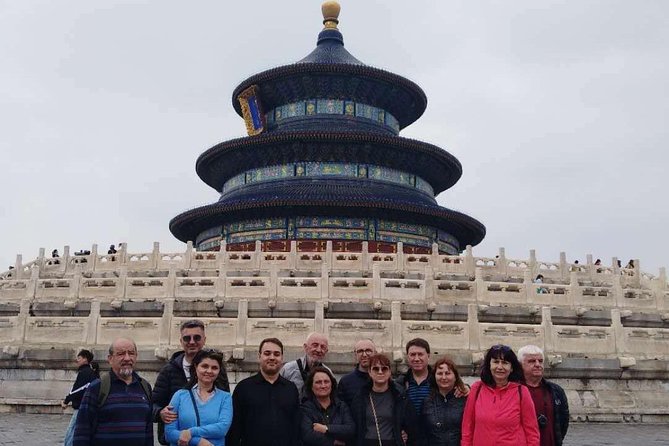
The Temple of Heaven is where emperors of the Ming and Qing dynasties worshiped the god of heaven and prayed for good harvests. This stop pairs well with the Forbidden City, because you see both the power seat (palace) and the heaven-related ritual space (temple).
Travelers who read this also booked these.
- From Beijing: Mutianyu Great Wall Tours with Options★ 4.9 · 9,216 reviews
- Beijing: Forbidden City Tour(Group/Private)-Tickets Included★ 4.8 · 7,974 reviews
- Beijing: T-Square & Forbidden City Group or Private Tour★ 4.8 · 4,446 reviews
- All-Inclusive Tour: Tiananmen Square, Forbidden City, Great Wall★ 5.0 · 2,873 reviews
Hutong time: everyday Beijing in old lanes
On a later day, the tour shifts gears with a hutong tour. Hutongs are old lanes dating back to Ming and Qing eras, and the goal is less museum mode and more street life. You get room for shopping and dining along the way, which is where you can test snack options and see how locals move through the city.
If you want one “authentic-feeling” thread in this itinerary, it’s this: not everything is a landmark, and the pace lets you browse like you live there.
Summer Palace: an imperial garden that feels like a retreat
The Summer Palace is described as the best preserved imperial garden in the world and the largest of its kind still in existence in China. You get 6 hours, which is the correct length because gardens are not about rushing one photo spot. They’re about moving between halls, bridges, and viewpoints.
You’ll feel the contrast. Beijing’s big ceremonial energy softens into water, walkways, and long sightlines. If your feet are already tired from the Palace Museum, this is a nice payoff day.
Great Wall at Mutianyu plus Olympic Park: two very different Beijing moods
Mutianyu Great Wall: famous views with a calmer vibe
Mutianyu is presented as one of the best-preserved and best-known Great Wall sections, and it’s also framed as having less tourists than some other stretches. That matters if you care about actually enjoying your climb, not just surviving it.
A good practical approach: wear shoes you trust, and plan for time. Even when the tour gives a 3-hour slot, Great Wall walking adds up fast. Bring layers if weather changes quickly.
Beijing Olympic Park and the Water Cube
The Olympic Park stop includes the main Olympic venues, with special mention of the Bird’s Nest and the Water Cube. You also get a separate Water Cube visit, with entry listed as free in the tour details.
Even if you don’t care about the Olympics, this is worth it for the contrast. Beijing can feel like ancient power 24/7, but Olympic Green shows modern architecture and the way the city repurposes global events into long-term landmarks.
Xi’an Days 5 to 6: Terracotta scale, then city walls and Buddhist roots
Xi’an is your next big gear change. It’s where the tour leans hard into tangible, iconic sites.
Terracotta Warriors and Horses: the reason people come
This is a 6-hour visit to the Museum of Qin Terracotta Warriors and Horses. The descriptions emphasize troops, horses, and carriages in battle formation, and that’s exactly what you’ll feel when you’re there: a sense of ordered force frozen in time.
This is also a time where guided explanations really help. If you know why the site is arranged the way it is, you start seeing patterns instead of just images.
Practical tip: plan for a lot of walking inside museum grounds, and expect crowds. Your time block is generous, which gives you room to slow down.
Bell Tower: a central landmark in the ancient city
The Xi’an Bell Tower is described as sitting at the center of Xi’an’s ancient city area and built in the Ming Dynasty in 1384. You get a 1-hour stop, which is about right for a landmark that is strong mainly as a viewpoint and city orientation piece.
Muslim Quarter: shop, snack, and wander
The Muslim Quarter is built into the schedule with 3 hours of shopping time. Admission is listed as free, which usually means it functions more like a neighborhood walk than a ticketed museum stop.
This is one of the places where you can tailor the day. If you like food markets, you’ll find plenty to browse. If you prefer quieter sightseeing, keep your snack stop short and spend more time looking at street layout and signage.
Xi’an City Wall: walk it in comfort, or pedal for fun
The Xi’an City Wall visit includes 2 hours and a note that a bicycle or sightseeing car is arranged on the wall. That makes it easier to see more ground without exhausting yourself before the rest of the day.
For most people, the city wall is one of the best “stretch your legs with purpose” experiences in Xi’an.
Big Wild Goose Pagoda: Buddhist history that still feels alive
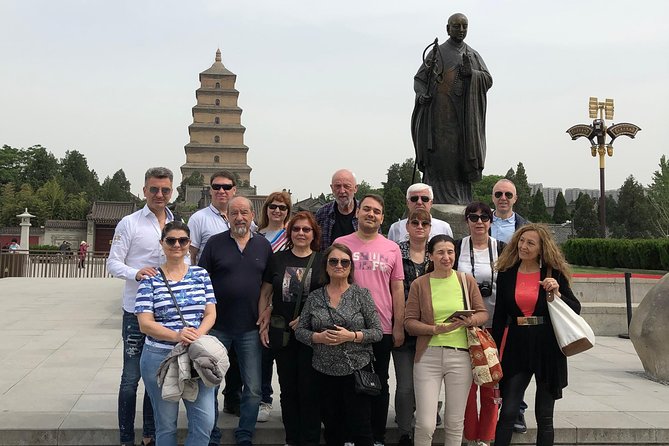
The Big Wild Goose Pagoda is presented as a well-preserved holy place for Buddhists with a history of over 1,300 years. You have 1 hour, which fits well because this stop is more about atmosphere and respectful viewing than marathon time.
The Yangtze cruise era: Fengdu, Qutang Gorge, and the Three Gorges Dam site
This is the tour’s tempo reset. After days of land travel and hard-ticket sightseeing, the Yangtze portion gives you space to breathe.
Fengdu shore excursion: morning options at the port
On one cruise day, you have a shore excursion for Fengdu, with a note that the Fengdu Jade Emperor is arranged in the morning. There is also an option to take an additional shore excursion to Fengdu Ghost City, at extra cost.
The tour also lists buffet lunch served on board. That’s a practical detail you’ll appreciate, because it means you’re not trying to find food on your own during a guided river day.
White Emperor City area and Qutang Gorge
Another cruise day includes the Baidicheng Scenic Area, described as Fengjie White Emperor City near Qutang Gorge. The description emphasizes water surrounds, waterfall scenery, and the dramatic look of the gorge with the river cutting through steep cliffs.
Qutang Gorge is noted as the shortest of the Three Gorges at 8 kilometers and considered the most dramatic by many visitors. You also get a sightseeing frame that mentions Meng Liang staircase from the Song Dynasty.
Notable practical point: this part lists admission not included. Even without knowing every small ticket detail, you can assume there may be optional site fees once you’re on the ground.
Three Gorges Dam Site: big engineering, practical scale
The Three Gorges Dam site is positioned 27 miles upstream from Yichang city proper, at Sandouping Town. It is also described relative to the Gezhouba Dam lock.
This is a different type of “wow” compared to temples or wall views. Here, the awe is about the scale of modern engineering and what it means for the river itself.
If you like learning how major infrastructure changes landscapes and daily life, this stop gives you that perspective.
Shanghai Day 10: temples, towers, gardens, and riverfront views
Shanghai is the finish line with multiple “classic” stops. You’ll do best if you think of this as a highlights sweep, not a deep-dive neighborhood by neighborhood day.
Jade Buddha Temple: white jade and a calm interior
Jade Buddha Temple is described as first built in 1882. The tour notes a 1.9-metre-high white jade Buddha installed after a monk brought it from Burma.
You get 2 hours, which is enough time to slow down and enjoy a quieter side of a city that can move fast.
Oriental Pearl Tower: skyline drama with 468 meters
The Oriental Pearl Tower is given a 468-meter height, plus architectural notes about the base and the visual idea of pearls dropping onto a jade plate. You’ll have 3 hours here, so expect time for viewing areas and elevators.
Yuyuan Garden: classical garden design in a compact footprint
Yu Garden is described as the only fully restored classical Chinese garden in Shanghai, originally inaugurated in the Ming dynasty and about 20,000 square meters. You also get a useful description of how it works as a world in miniature, mixing pavilions, corridors, small hills, lotus ponds, bridges, rocks, and carefully placed trees and shrubs.
You’ll love this if you enjoy gardens more than big stadium-style architecture. It also works well as a mental pause before shopping streets.
Nanjing Road and the Bund: city energy and the river skyline
Nanjing Lu (Nanjing Road) is listed as a commercial street with 5.5 km in length. It is framed as China’s No.1 commercial center, with malls and department stores lining the route.
The Bund is the riverfront lineup across the Huangpu River, with skyline views that include the Shanghai Tower, Shanghai World Financial Centre, Oriental Pearl Tower, and Jinmao Tower.
Admissions here are listed as not included, which often means you’re paying only for what you choose inside the area. Either way, this is your “Shanghai in one walk” experience.
Pacing, comfort, and what to pack for a tour this full
With this kind of schedule, the quality of your day-to-day comfort matters.
A few practical realities:
- You’ll do heavy walking at Forbidden City, the Great Wall at Mutianyu, and the Xi’an sites.
- Cruise days also include shore excursions, so they are not pure rest days.
- You have multiple ticketed attractions, but the tour handles driver or guide support, plus hotel and port transfers.
The tour includes bottled water, which is a small thing, but it reduces stress. If you’re sensitive to long museum days, bring a light layer even when it’s warm, because interiors can cool down.
For shoes: you want something supportive with good traction. The schedule includes steps and uneven surfaces at historic complexes and gorge viewpoints.
Guides and organization: the kind of service that makes the difference
The tour is built around guided movement and timed sightseeing. Based on past experience shared by this tour company’s clients, guides named Hannah Liang are often praised for smooth organization, and a careful guide named Maurizio is singled out for attentive explanations and coordination.
You will feel the benefit in the basics:
- clear meeting points,
- timed admissions you do not have to arrange yourself,
- and fewer “What do we do next?” moments when you’re tired.
It’s the difference between a trip that feels planned and a trip that feels like a puzzle.
Should you book this 11-day Yangtze cruise tour?
Book it if you want a structured route with major China highlights that are already ticket-managed, plus a Yangtze River cruise segment that keeps the trip from feeling like nonstop museum marathons. This is a good fit for first-timers who want classic sites like Forbidden City, Mutianyu Great Wall, Terracotta Warriors, and the Bund, without doing the logistics puzzle.
Skip it or adjust expectations if you hate packed days. This itinerary is intense. If you’re the type who wants long, slow breaks in one city, you might find yourself wishing for more free time than this schedule allows.
Finally, if you like variety, you’re in the right place. You’ll move from imperial ceremony to street markets, from Xi’an archaeology to gorge scenery, and then finish with Shanghai’s skyline and riverfront views.
FAQ
What does the tour price include?
The price includes taxes and handling charges, entrance fees, and the Yangtze Cruise. It also includes a driver or guide, hotel and port pickup and drop-off, hotel accommodation, bottled water, and meals (10 breakfasts, 9 lunches, and 2 dinners).
What cities are included in this 11 days, 10 nights route?
The tour is based in Beijing, then includes Xi’an, a Yangtze River cruise portion with stops in the Three Gorges area, and finishes in Shanghai.
Are admission tickets included for major attractions in Beijing?
Yes. Tiananmen Square, the Forbidden City (Palace Museum), and the Temple of Heaven list admission as included.
Are there any Yangtze shore excursions that are not fully included?
Some shore excursions note admission not included, including Fengdu Ghost City and the Baidicheng Scenic Area. The tour also mentions an additional Fengdu Ghost City option with extra cost.
Where does the tour start and end?
It starts with meeting at Beijing Capital International Airport with a 9:00 am start time. It ends at Pudong International Airport in Shanghai, with an option to arrange the Maglev train or drive directly to the airport.
Can I cancel for a full refund?
Yes. You can cancel up to 6 days in advance for a full refund, and changes made less than 6 full days before the start time will not be accepted.
Newly Listed Tours in Beijing
- Beijing Half Day Walking Tour-Tiananmen Square and Forbidden City★ 5.0 · 1 review
- 1-Day Beijing private English speaking guide with driver service★ 5.0 · 1 review
- Flexible Private Layover Beijing Night Sightseeing with English Speaking Driver★ 5.0 · 1 review
- Private Day Trip to Huaibei International Ski Resort and Mutianyu Great Wall★ 5.0 · 1 review
- 2-Day Customizable Beijing Highlight Tour with Airport Transfer Option★ 5.0 · 1 review
- 1-Day Beijing Private tour: Mutianyu Great Wall and Summer Palace★ 5.0 · 1 review
- Private Virtual Tour in Beijing★ 4.0 · 1 review
- 1-Way Private Transfer Service between Tianjin cruise Port and Beijing hotels★ 5.0 · 1 review
Cruises & Boat Tours, compared.
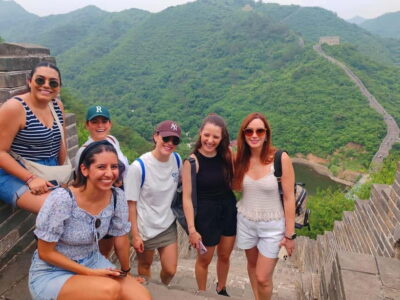
Water-Great Wall Odyssey: Hike & Cruise One Day Tour
Read our review →
Water-Great Wall Odyssey: Scenic Bus & Cruise Day Tour
Read our review →
Longqingxia Gorge Cruise and Guyaju Cave Dwellings Private Day Tour
Read our review →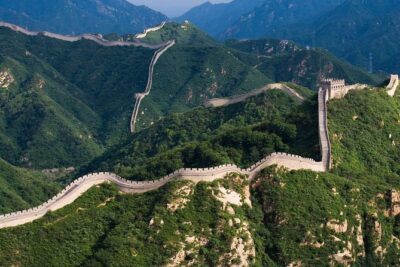
Beijing Private Tour to Badaling Great Wall and Longqing Gorge with Boat Ride
Read our review →
Private Day Tour to Longqing Gorge and Dingling at the Ming Tombs with Lunch and Boat Ride
Read our review →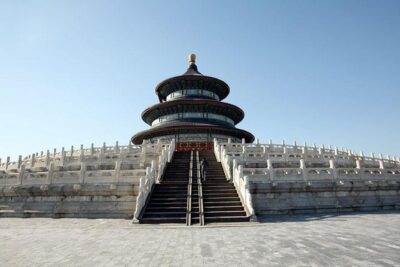
14-Day Small-Group China Tour: Beijing, Xi’an, Guilin, Yangtze Cruise, Shanghai
Read our review →
Private Transfer to Tianjin Xingang Cruise Port-Every Group Size
Read our review →
Private Day Tour to Longqing Gorge with Boat Ride and Cable Car from Beijing
Read our review →Browse the lists this tour appears in