Reviewed · TOURS
14-Day Small-Group Tour to Beijing, Xi’an, Chengdu, Yangtze, Chongqing, Shanghai
China packs a lot into two weeks.
This small-group route lines up Beijing, Xi’an, Chengdu, a 2-night Yangtze River cruise, and Shanghai with an English-speaking guide and timed visits to the big-ticket sites. I like that you get real context for what you’re seeing, from emperors at the Forbidden City to the engineering story of the Three Gorges Dam.
What I really liked: the mix of must-sees and hands-on moments, like making a mini Terracotta Warrior and the guided rickshaw glide through Beijing hutongs. Also, the logistics are handled for you, so you spend less time guessing and more time looking closely. One thing to consider is the pace: you’re moving cities several times, and train days can feel like full days even when the driving time looks short on paper.
In This Review
- Key highlights you should care about
- Small-group pacing with real-world help, not shopping detours
- Beijing: Tiananmen, the Forbidden City, Temple of Heaven, and the Great Wall at Mutianyu
- Beijing drawback to plan around
- Summer Palace plus the shift to Xi’an: a smart change of scenery
- Xi’an: Terracotta Warriors, Big Wild Goose Pagoda, and Tang-era entertainment
- Xi’an drawback to plan around
- Chengdu: panda time at the Research Base, plus alleys, tea, and Jinsha
- Chongqing and the Yangtze cruise: from Jiefangbei to Three Gorges Dam
- Fengdu Ghost City and gorge scenery
- Three Gorges Dam: big engineering with a tight schedule
- Shanghai: museum culture, Yu Garden, the Bund, and a river cruise
- Price and value: what you’re paying for, and what you should double-check
- Practical tips that make this itinerary smoother
- Who this tour fits best
- Should you book this 14-day Beijing to Shanghai China route?
- FAQ
- How big is the group on this tour?
- Does the tour include transfers when you arrive in Beijing?
- Does the tour include internal flights and trains?
- Is the Yangtze River cruise included, and where does it fit in the trip?
- Are entrance fees included?
- When is the Tang Dynasty Music and Dance Show available?
- Is the Shanghai hotel-airport transfer included on the last day?
Key highlights you should care about
- Mutianyu Great Wall with cable car plus a group toast on the wall with red wine
- Forbidden City and Temple of Heaven focused on how emperors shaped daily life and ritual
- Terracotta Warriors visit with mini clay-figure workshop and extra context in the museum area
- Chengdu panda time at the Research Base where you see them feeding and playing
- Three Gorges cruise excursions including Shennv Stream and the Three Gorges Dam project
- Value for a fixed-price route with most entrance fees, hotels, guides, and meals handled
Small-group pacing with real-world help, not shopping detours
This tour is built for people who want structure. You travel with a professional guide, plus drivers and air-conditioned vehicles where road travel is involved. The group size caps at 18, which matters more than it sounds. You get enough attention for questions, but the day still flows like a normal itinerary, not a slow parade.
You also get fewer time-wasters. The tour specifically notes no shopping detours, no factory stores, no tea ceremony, and no shopping site restaurant. That’s a big deal on a 14-day trip where every extra stop can quietly steal a half-day.
One more practical point: you’ll use a mobile ticket and your start is listed as 9:00 am. That’s usually a clue that the provider is trying to keep arrivals smoother, especially around ticketed sights.
And yes, guide quality shows up here. Past groups called out Wendy Lee for being very responsive, and also highlighted a guide named Candy as excellent. With a route this packed, your guide can make the difference between seeing highlights and actually understanding them.
A few more corners of Beijing worth exploring before you go.
Beijing: Tiananmen, the Forbidden City, Temple of Heaven, and the Great Wall at Mutianyu
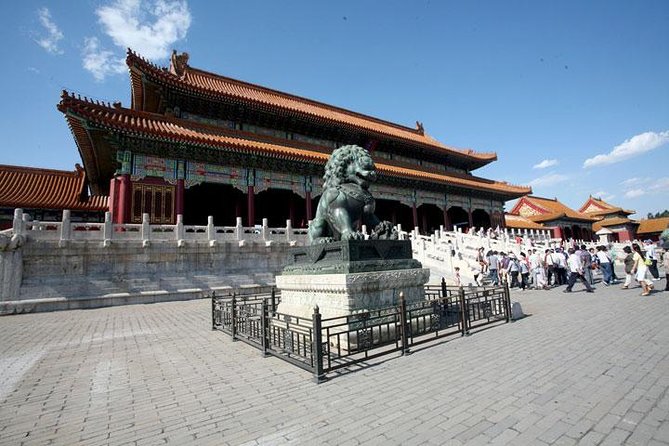
Beijing starts with a gentle landing. Day 1 is simple: pickup from the airport and transfer to your hotel, then you’re free to rest. On Day 2, the tour hits Tiananmen Square first. It’s the biggest urban square in the world, and even if you’ve seen photos, it helps to experience the scale in person.
From there, you move into the Forbidden City, also called the Palace Museum. You’re not just walking halls. You get a guided explanation of how emperors ran political affairs and lived their lives, with plenty of ancient art treasures in the mix. The timing is also smart: you get there early enough to focus before the day turns into peak crowds.
Lunch is handled, including a welcome a la carte meal with Peking roast duck. Then the afternoon shifts to the Temple of Heaven, where emperors worshipped the heavens in hopes of good harvests. This pair, Forbidden City plus Temple of Heaven, gives you a more complete picture of power in imperial China, not just politics but belief and ritual.
That evening you’re set up with the Red Theater acrobatic show. It’s not an essential cultural pillar like the Forbidden City, but it’s a fun reset after a heavy sightseeing day.
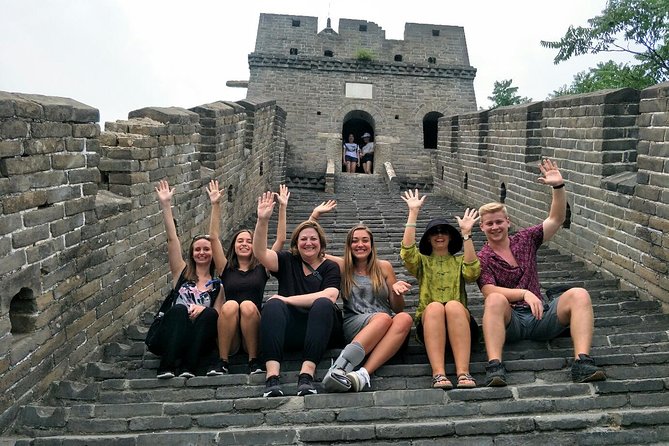
Day 3 is your Great Wall day, and the itinerary picks Mutianyu rather than the most famous but often overcrowded segments. Mutianyu comes with a round-trip cable car, which keeps the focus on the views and the wall itself. Standing on the wall as it stretches along the ridgeline is exactly the kind of moment photos don’t fully capture. The tour also provides red wine for a group toast on the wall, which sounds quirky until you’re standing there and realize it marks the moment.
On the way back, there’s a quick photo stop at Niaochao National Stadium, also known as the Bird’s Nest. Then you get something you can’t “museum” your way through: a hutong tour with a rickshaw. You explore original alleys and even get a chance to visit a local family. That’s the kind of experience that makes Beijing feel less like a list of attractions and more like lived-in neighborhoods.
Beijing drawback to plan around
This is a long, active start: square, palace complex, temple, then evening show, then a Great Wall day. If you’re sensitive to walking or want a slower rhythm, you’ll feel the pace.
Summer Palace plus the shift to Xi’an: a smart change of scenery
Day 4 is where the route adds breathing room and variety. You visit the Summer Palace, described as the largest existing imperial garden. The emphasis is on its landscape and major constructions, so it’s a break from the stone-and-museum feeling of the Forbidden City.
Then you fly to Xi’an. That city change is important. Rather than trying to see every Beijing highlight before moving on, the itinerary uses the flight to reset your mental map and get you positioned for the next big theme: China’s ancient capitals.
You might wonder if that kind of jump is tiring. It is, but it also avoids the trap of spending all your time in transit later when you’re already running low on energy.
Xi’an: Terracotta Warriors, Big Wild Goose Pagoda, and Tang-era entertainment

Xi’an can feel like the “ancient China” payoff, and the itinerary doesn’t waste it.
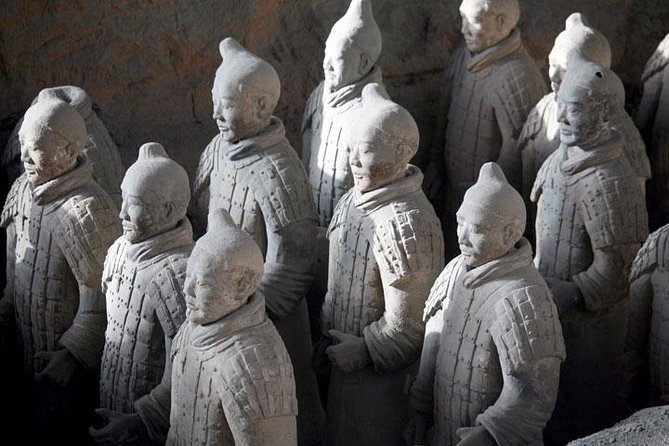
Day 5 begins at the Qin Terra-cotta Warriors and Horses museum. You see three excavated pits with the warrior figures and ancient weapons. This is one of those places where a guide really helps, because you’ll want context for what you’re seeing and why the excavation matters.
A standout element here is the extra time beyond just the main pits. You also visit the home of the first discoverer of the Terracotta Army. Then you do something memorable and low-stress: you make a mini clay warrior with a local artisan. It’s hands-on learning without being a full workshop day, and it’s an activity that keeps your brain engaged while you’re tired from travel.
In the afternoon you head to the Big Wild Goose Pagoda, built in the Tang Dynasty to store Buddhist scriptures brought from ancient India. That gives you a clear link between empire and ideas traveling along trade routes.
That evening includes a Tang Dynasty Music and Dance Show and a dumpling dinner. The itinerary notes the show runs Apr to Nov, and it may not be included for tours starting in January, February, March, and December. In other months, it’s a great way to see Tang culture performed rather than only reading about it.
Day 6 takes a different angle on Xi’an by mixing heritage and neighborhood atmosphere.
You start with the Xi’an City Wall and City Wall Park life. There’s even a special arrangement to practice Tai Chi with a master. That turns the city wall into something more than a scenic backdrop. After that, you visit the wall itself. Cycling is mentioned as an option, but the bike rental fee is not included, so if you want to ride, plan for an extra cost.
Then you head into the Muslim Quarter area for lunch guidance, and you get the Great Mosque of Xi’an, one of the oldest, largest, and best-preserved Islamic mosques in China. Finally, you visit the Small Wild Goose Pagoda, which also houses the Xi’an Museum.
Travelers who read this also booked these.
- All-Inclusive Tour: Tiananmen Square, Forbidden City, Great Wall★ 5.0 · 2,873 reviews
- MuBus: Mutianyu Great Wall ENG/ESP/RUS Guided Bus Tour★ 5.0 · 2,361 reviews
- 4-Hour Small Group Tour to Forbidden City with Entry Tickets★ 5.0 · 1,863 reviews
- Beijing: Tiananmen Square Registration Service(Ticket)★ 4.5 · 1,704 reviews
Xi’an drawback to plan around
Xi’an days include multiple sites and a fair bit of walking. Wear good shoes, and don’t treat lunch as a chance to linger, because the schedule keeps moving.
Chengdu: panda time at the Research Base, plus alleys, tea, and Jinsha
Chengdu arrives by high-speed train on Day 7. The ride is listed at around 4 hours. When you travel by train here, the day stays efficient because you avoid long airport handling times.
Day 8 is your panda morning at the Chengdu Research Base of Giant Panda Breeding. The tour includes about three hours, and the focus is on watching pandas as they feed and play. That matters because panda viewing is not just looking at animals. It’s learning how they behave during active parts of the day, and it’s much easier with a guide who can steer you to the right areas at the right times.
After pandas, you explore Kuanzhai Alley. It’s described as Broad and Narrow Alleys with old courtyards, and the itinerary suggests you might have lunch there with guide recommendations.
Next comes the Jinsha Site Museum, protecting archaeological finds from about 3,000 years ago. If your travel happens to meet Mondays, the plan swaps to the Thatched Cottage of Du Fu, a park and museum for the Tang poet Du Fu. That’s a useful detail because it tells you the itinerary is built to handle closures without leaving you stranded.
You end at Chengdu Renmin Park for a tea break and an experience of local daily life. This is one of the best “slow moments” in an otherwise packed itinerary. You get to sit, observe, and reset without needing a taxi or a plan.
Chongqing and the Yangtze cruise: from Jiefangbei to Three Gorges Dam
Day 9 starts with a morning that’s free for you, then you take a bullet train to Chongqing. The itinerary lists the train portion at about 2 hours, and it’s designed to keep you moving rather than waiting around.
Once you arrive, you visit Jiefangbei Square in the CBD area, then head to Ciqikou (Porcelain Port), an old village stop. The key moment is that you then board a five-star Yangtze cruise ship. You have a buffet dinner on board and you’re invited to the Captain’s Welcome Party.
This part of the trip is a big value piece. Instead of constant hotel check-ins, you gain time on the river. Your cabin becomes your home base while the scenery changes outside.
Fengdu Ghost City and gorge scenery
Day 10 includes an excursion to Fengdu Ghost City. After that, you get deck time. The itinerary also mentions you can enjoy scenery on the river during the afternoon and attend cultural programs onboard if you like. Those are optional, which is what you want on a day after a couple of busy transfers.
Day 11 is the gorge day through the Three Gorges with onshore time at Shennv Stream. The itinerary names the Qutan, Wu, and Xiling gorges as the ship sails through them. The onshore stop is usually where you get the most memorable photos, because you can step away from the boat and see the terrain up close.
Three Gorges Dam: big engineering with a tight schedule
Day 12 brings the Three Gorges Dam project excursion. You disembark, and the tour tells you to pack your luggage and complete checkout procedures before the excursion. Afterward, the cruise company drives you to the Three Gorges Tourist Center in Yichang. Then you switch back to rail, taking a bullet train to Shanghai.
This sequence is practical: you don’t try to do Dam plus Shanghai in one day without a plan. It’s still intense, but it’s organized.
Shanghai: museum culture, Yu Garden, the Bund, and a river cruise
Shanghai is the trip’s grand finale, mixing older culture and modern city energy.
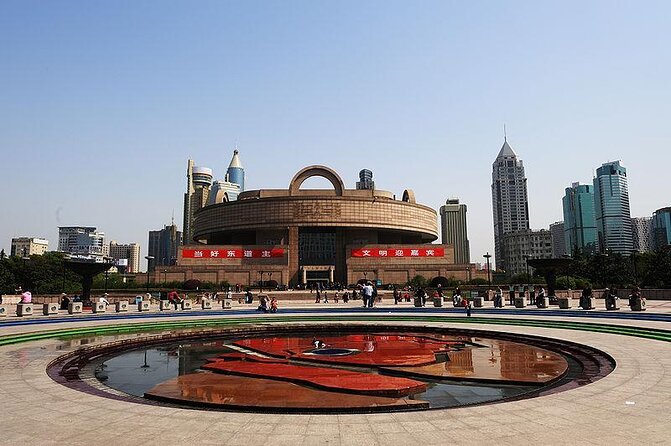
Day 13 starts at the Shanghai Museum, one of the four largest museums in China, focused on art works from ancient times. If you’ve been visiting big sites all trip, this museum can feel like a calmer pace because you can slow down inside galleries.
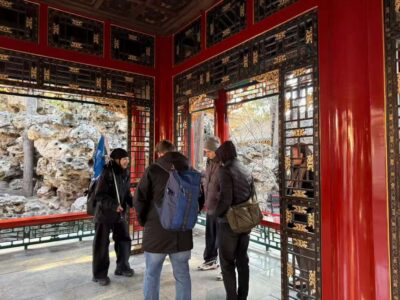
Then you head to Yu Garden (Yuyuan) and the nearby traditional bazaar. The itinerary highlights the nine zigzag bridge built of granite and grass-white jade, plus pavilions around the mid-lake. This is a good contrast to the palace complexes you visited earlier. It’s still about architecture and symbolism, but with a different mood.
Lunch is included again, a farewell a la carte meal valued at CNY150 per person. After that, you stroll the Bund area and then take a one-hour cruise on the Huangpu River. That’s a great ending because it lets you see Shanghai’s layout from water after days of land travel.
Day 14 is straightforward: breakfast, then you find your own way to the airport for your flight home. The itinerary explicitly says hotel-airport transfer in Shanghai is not included due to different flight schedules.
Price and value: what you’re paying for, and what you should double-check
The tour price is listed at $3,179.00 per person. For a route that includes multiple city-to-city legs, a hotel stay in several cities, and a 2-night Yangtze cruise, it’s not an easy comparison to “DIY” travel. But the value comes from what’s packaged:
- Hotel accommodation with twin-sharing rooms, including on the Yangtze cruise
- An English-speaking guide and drivers with air-conditioned vehicles
- Entrance fees to tourist sites
- Most meals, with 13 breakfasts, 6 lunches, and 3 dinners listed as included
- Two bottled waters per person per day
- Service charge recruited by the cruise company
- One-way economy airfare from Beijing to Xi’an, plus high-speed trains from Xi’an to Chengdu, and Chengdu to Chongqing, and Yichang to Shanghai
What’s not included is also clear. You’ll cover China visa fees, international airfare, and the Shanghai airport drop-off service on Day 14. If those last mile items are important to you, plan to budget for them.
One more value point that matters: the itinerary emphasizes avoiding shopping detours and shopping restaurants. Those add up in time and mental fatigue. On this kind of fixed schedule, protecting your time is part of the deal.
Practical tips that make this itinerary smoother
A couple of small moves can make a big difference:
- Expect active days. Great Wall, palaces, museums, city walls, and pagodas add up. Bring comfortable, broken-in shoes.
- Plan for early starts on train and show days. Even when train times are short, the schedule around them takes the whole day.
- Use the included meals as “schedule anchors.” When lunch and dinner are set, you avoid the stress of finding food near major sights.
- Bring light layers if you’re traveling across seasons. A shoe-friendly strategy beats trying to “dress up” for a lot of walking.
- If you want the Tang show, check timing. It’s available Apr to Nov, and the itinerary notes it may be excluded for certain months.
Also, note the provider is clear that confirmation depends on booking timing, and a current valid passport is required on the day of travel. That matters if you’re close to departure.
Who this tour fits best
This is a strong match if you:
- Want a first-timer route through China’s big-name cities and sites
- Prefer a guided plan over figuring out tickets, transit, and timing yourself
- Like seeing both ancient monuments and modern city energy, ending in Shanghai
- Appreciate a cruise as a way to reduce hotel hopping and add scenic time
It may not be ideal if you:
- Need lots of free time every day, because the itinerary is busy by design
- Want a slow travel pace with minimal city changes
Should you book this 14-day Beijing to Shanghai China route?
I’d book it if your goal is to hit the major highlights with less friction. The biggest reasons are simple: the Great Wall and imperial sites in Beijing, Terracotta Warriors with hands-on clay crafting, and a cruise that actually includes key stops rather than just floating past them.
If you want less stress and a guided flow, this tour is built for that. Just go in knowing the pace is real, you’re moving cities multiple times, and you’ll want comfortable shoes from day one.
FAQ
How big is the group on this tour?
The tour has a maximum of 18 travelers.
Does the tour include transfers when you arrive in Beijing?
Yes. On Day 1, your local guide meets you at Beijing Airport and the driver transfers you to the hotel.
Does the tour include internal flights and trains?
Yes. It includes one-way economy-class airfare from Beijing to Xi’an, one-way high-speed train fare from Yichang to Shanghai, and high-speed trains from Xi’an to Chengdu and Chengdu to Chongqing.
Is the Yangtze River cruise included, and where does it fit in the trip?
Yes. The tour includes a 2-night Yangtze River cruise, with boarding on Day 9 and key excursions and disembarkation tied to Days 10 to 12.
Are entrance fees included?
Yes. Entrance fees to tourist sites are included.
When is the Tang Dynasty Music and Dance Show available?
The Tang Dynasty Music and Dance Show is available from Apr to Nov. The itinerary also notes it is not included for tours that start in January, February, March, and December.
Is the Shanghai hotel-airport transfer included on the last day?
No. On Day 14, you need to get to the airport on your own because hotel-airport transfer service is not included.
Newly Listed Tours in Beijing
- Beijing Half Day Walking Tour-Tiananmen Square and Forbidden City★ 5.0 · 1 review
- 1-Day Beijing private English speaking guide with driver service★ 5.0 · 1 review
- Flexible Private Layover Beijing Night Sightseeing with English Speaking Driver★ 5.0 · 1 review
- Private Day Trip to Huaibei International Ski Resort and Mutianyu Great Wall★ 5.0 · 1 review
- 2-Day Customizable Beijing Highlight Tour with Airport Transfer Option★ 5.0 · 1 review
- 1-Day Beijing Private tour: Mutianyu Great Wall and Summer Palace★ 5.0 · 1 review
- Private Virtual Tour in Beijing★ 4.0 · 1 review
- 1-Way Private Transfer Service between Tianjin cruise Port and Beijing hotels★ 5.0 · 1 review
Tours, compared.
Forbidden City Tour(Group/Private)-Tickets Included
Read our review →
T-Square & Forbidden City Group or Private Tour
Read our review →
All-Inclusive Tour: Tiananmen Square, Forbidden City, Great Wall
Read our review →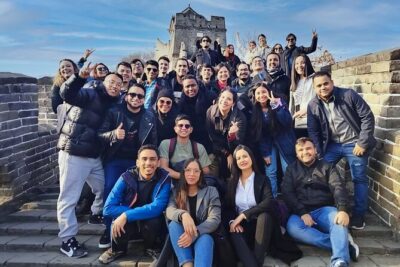
MuBus: Mutianyu Great Wall ENG/ESP/RUS Guided Bus Tour
Read our review →
4-Hour Small Group Tour to Forbidden City with Entry Tickets
Read our review →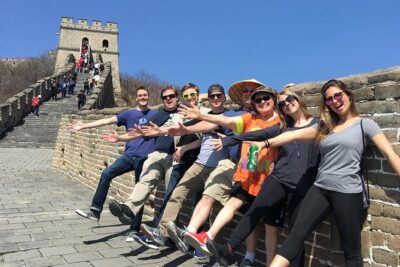
Beijing Full Day Tours: Tiananmen Sq, Forbidden City, Great Wall
Read our review →