
Reviewed · 6-DAY EXPERIENCES
6 Day Private Tour of Beijing and Xi’an
Two cities, six days, one smooth plan. What I like most is the stress-free setup and the fact that entrance tickets and transfers are built in, so you spend less time figuring things out and more time looking up at the sights. The only real catch to plan around is ticket availability in Beijing, especially for the Forbidden City.
This is a private experience for your group, led by an English-speaking licensed guide. Day 1 starts with an airport pickup and private transfer to your hotel, then you hit major landmarks over the next five days without language-battle stress.
You’ll also move fast between regions, with a fast train from Beijing to Xi’an and private vehicles within each city. If you prefer a slower pace, Day 3 in Beijing can feel like a packed heritage day.
In This Review
- Key highlights to expect
- First impressions: private, planned, and built for people who hate logistics
- Day 1 in Beijing: airport pickup and a low-pressure landing
- Mutianyu Great Wall: fewer headaches than a rushed Great Wall day
- Tiananmen Square and the Forbidden City ticket reality
- Temple of Heaven and Summer Palace: two different moods, one imperial day
- Xi’an City Wall: a real walkable monument
- Big Wild Goose Pagoda: Buddhist context, plus an optional climb
- Muslim Quarter: halal food and crafts in a short, guided window
- Terracotta Army and Lintong dumplings: the emotional hit, then the human touch
- What you get for $2,199: where the value is real, and where it’s not
- Pacing and fit: who this tour suits best
- Should you book this 6-Day Private Beijing and Xi’an tour?
- FAQ
- How long is the Beijing and Xi’an tour, and how does the schedule end?
- Where do I meet the guide, and what is the meeting point?
- Is this a private tour for my group only?
- What is included in the price, and what is not included?
- How does the tour handle situations where Forbidden City tickets are not available?
- How do you travel between Beijing and Xi’an?
- What is included in the Mutianyu Great Wall day?
- What can I expect on the Xi’an portion, and is there a vegetarian option?
- What is the cancellation policy for a full refund?
Key highlights to expect
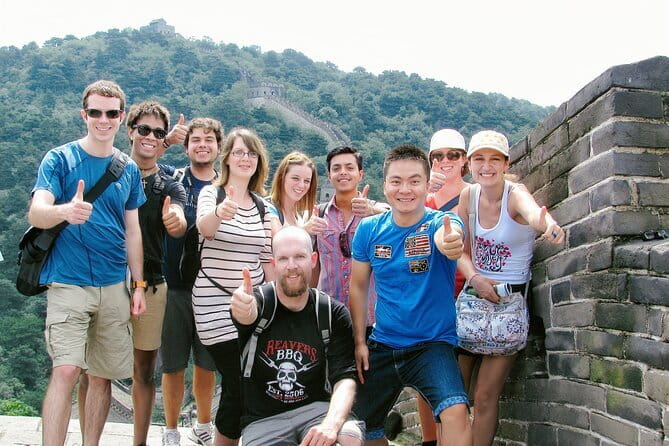
- Mutianyu Great Wall time set aside for real climbing and photos from towers along one of the best-preserved sections
- Beijing’s top government and palace-area sights, starting with Tiananmen Square and moving through the Forbidden City area
- A practical ticket plan for the Forbidden City, with Summer Palace and Temple of Heaven as the backup if access is limited
- Xi’an classics without the guesswork, including City Wall, Big Wild Goose Pagoda, and the Muslim Quarter
- Terracotta Army plus a local family dumpling visit near the museum, with vegetarian dumplings available
First impressions: private, planned, and built for people who hate logistics
This tour is designed for travelers who want China’s headline sights, but not the planning headache. You get a route that strings together the best-known stops in Beijing and Xi’an, with transportation handled city-to-city and a licensed English-speaking guide doing the explaining.
The private format matters. You are not just “on a schedule,” you have a guide who can manage timing and keep your group moving through busy checkpoints. Even better, this one includes tickets for the attractions and breakfast five days, so you are not hunting down add-ons after you arrive.
The value part is simple: at this price point, the tour is bundling the hard-to-manage pieces, like accommodation, entrance fees, and transfers. If you were to DIY it, you would spend time coordinating everything, and you would still be paying for major sites one by one.
Beijing tours travelers are booking next
Day 1 in Beijing: airport pickup and a low-pressure landing
Day 1 is intentionally flexible. You can arrive in Beijing at any time, with no planned activities that day beyond getting settled. Your English-speaking guide picks you up at the airport and drives you by private vehicle to your hotel.
If you feel like getting oriented with local food, there is an optional welcome dinner in a local restaurant. You also receive trip instructions for traveling in China, which is a small thing that can save big frustration later.
This is a smart way to start because it lets you match the plan to your flight. Long travel days are real. Having a calm arrival and a private transfer reduces the first-night stress.
Practical note: because you start with pickup and a hotel transfer, you’ll want to confirm your arrival details in advance when you book, so the guide can track your timing.
Mutianyu Great Wall: fewer headaches than a rushed Great Wall day
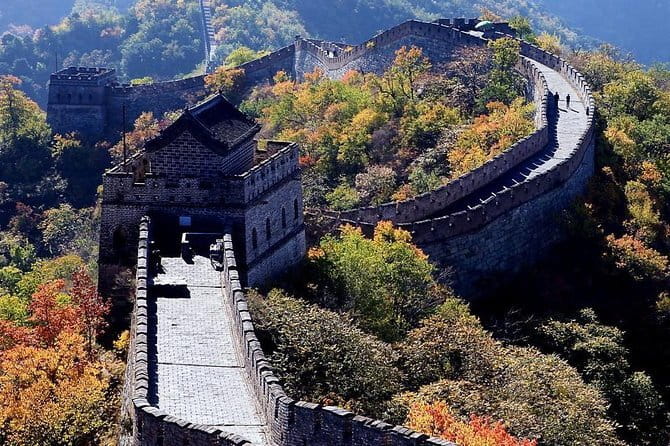
On Day 2, you go to the Great Wall at Mutianyu, one of the best-preserved and easiest-to-enjoy sections for visitors staying near Beijing. The day is long at about seven hours, which is a good sign. It means you are not sprinting in and out for a few photos.
Mutianyu is known for scenic stretches where the wall winds along ridges, plus a tower-and-view experience that makes it easy to get photos from different angles. You’ll spend time climbing over rolling hills and moving between towers, so you get the sense of how the wall works as an engineering project, not just as a single view.
This stop also makes physical sense for most travelers. You can choose your pace on the wall segments and take breaks without feeling like you’ll fall behind a tight group timetable.
What to consider: the Great Wall is the Great Wall. You should expect walking, uneven steps, and time outdoors. If you have mobility concerns, you’ll want to think about how much climbing you are comfortable doing.
Tiananmen Square and the Forbidden City ticket reality
Day 3 is where Beijing becomes intense in the best way. You start at Tiananmen Square, accessed via the Beijing metro. The square is massive and historically symbolic, framed by Gate of Heavenly Peace and surrounded by major government and museum buildings. You’ll also hear about the Mao portrait area and the ceremonial flag raising and lowering that happens at dawn and dusk.
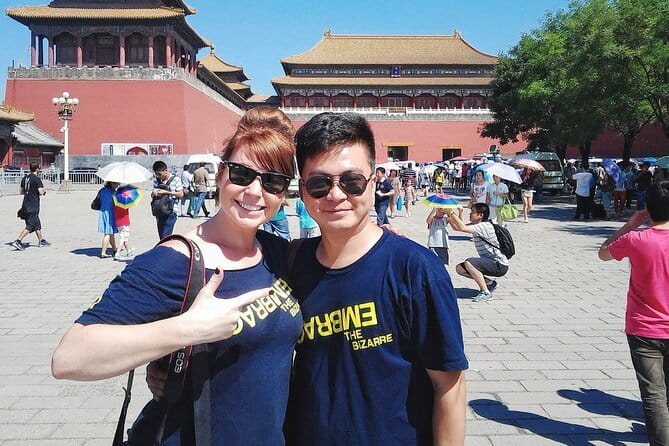
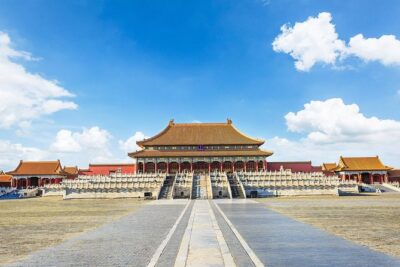
Then comes the big-ticket challenge: the Forbidden City, also called the Palace Museum. The plan is built around a real-world issue. Daily capacity in the Forbidden City is limited to 30,000 tickets, down from 80,000. That reduction has made access harder for both individuals and groups, especially in peak seasons. The tour’s local team works to secure tickets for each group.
Here’s the practical backup: if Forbidden City tickets are not available, the plan switches to the Summer Palace and the Temple of Heaven, both major imperial-era sites with similar architectural importance. That matters because it removes the “wait and see” uncertainty that can ruin a day in Beijing.
If you love palace and religious architecture, this is still a strong day even with the backup. It also helps you avoid spending hours stuck in ticket lines or missed entrances.
One consideration: Day 3 includes multiple stops in one day, so wear comfortable shoes and plan for a lot of walking across imperial complexes.
Temple of Heaven and Summer Palace: two different moods, one imperial day
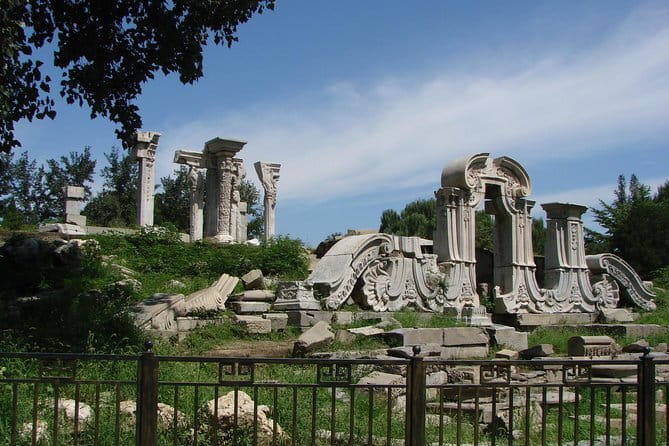
After the Tiananmen and Forbidden City segment, you continue with the Temple of Heaven and Summer Palace. Each stop is given around two hours, which is enough time to understand what you’re seeing without feeling like you’re on a stopwatch.
The Temple of Heaven is a religious complex where emperors prayed for good harvests. The design includes circular and square symbolism for heaven and earth, and it features key halls like the Hall of Prayer for Good Harvests. If you like places where design reflects belief, this is the kind of site that makes sense once your guide points out the geometry and symbolism.
Summer Palace shifts the mood. It’s an imperial retreat, mixing gardens, pavilions, and lakes. You’ll have time to see Longgevity Hill and Kunming Lake, plus the palaces and structures that reflect centuries of court life. It feels different from palace-fortress Beijing because it’s more about leisure, views, and wandering through landscaped grounds.
What I like here is that you are not repeating the same type of monument three times. This is an intentional mix: power and ceremony at Tiananmen, architecture and rule in the Forbidden City area or its backup, then a calmer spiritual complex, and finally a more scenic imperial garden.
Tip for timing: Summer Palace is outdoors, and you’ll likely do more strolling than “stand-and-look.” If weather is hot or rainy, you’ll want to bring a layer or plan to pause often.
Travelers who read this also booked these.
- From Beijing: Mutianyu Great Wall Tours with Options★ 4.9 · 9,216 reviews
- All-Inclusive Tour: Tiananmen Square, Forbidden City, Great Wall★ 5.0 · 2,873 reviews
- MuBus: Mutianyu Great Wall ENG/ESP/RUS Guided Bus Tour★ 5.0 · 2,361 reviews
- 4-Hour Small Group Tour to Forbidden City with Entry Tickets★ 5.0 · 1,863 reviews
Xi’an City Wall: a real walkable monument
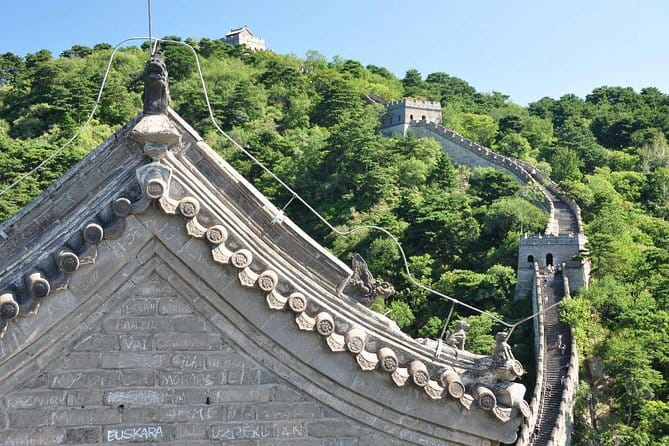
On Day 4, you fly the focus to Xi’an. First up is Xi’an City Wall. It’s an ancient fortification with solid-brick construction, gates, and watchtowers, encircling the city center.
The best part is that you can walk or cycle along the top, which turns the wall from a distant photo subject into an active experience. From there, you get panoramic views over Xi’an’s central area.
This stop is also a great way to change pace. You go from imperial architecture and government symbolism in Beijing to a defensive perimeter built over centuries. And since you’re above street level, it’s easier to see how a city’s shape matters historically.
What to consider: because you can walk or cycle, it is easier to overdo it if you rush. If you want a calmer day, walk a shorter segment, then enjoy the views.
Big Wild Goose Pagoda: Buddhist context, plus an optional climb
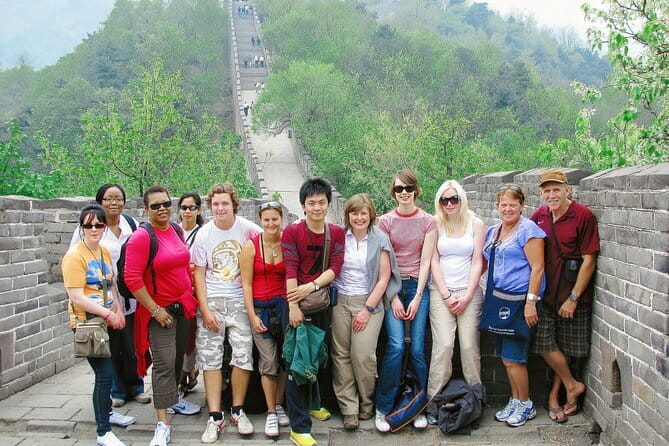
Next is the Big Wild Goose Pagoda, a Tang Dynasty-era Buddhist pagoda about 1300 years old. You’ll hear how it was built to store and translate Sanskrit Buddhist scriptures brought back by a monk from India.
It’s also notable because it is described as the only tall pagoda from the historic Tang era still standing. That gives the stop extra weight even if you’re not a deep Buddhist-studies person.
You have an option to climb up the pagoda. If you enjoy height views and you’re comfortable with the stairs, the climb can add a satisfying perspective layer.
If you prefer to conserve energy, you can still enjoy the pagoda and its surroundings without going up.
Muslim Quarter: halal food and crafts in a short, guided window
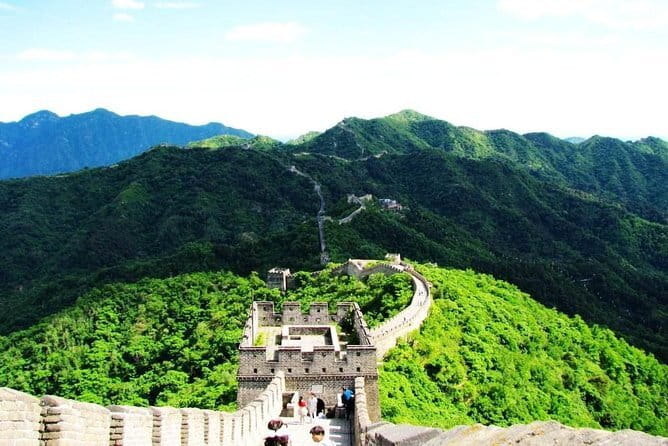
After the pagoda, you visit the Muslim Quarter. The tour frames it as a lively area day and night with halal cuisine and shops in narrow lanes.
This is where the trip becomes more everyday. You can sample local foods like kebabs and pastries, and you’ll see handicrafts and traditional wares sold in the area.
The value is in the guidance and time allocation. With only about two hours, you are not trying to solve the entire city food scene. Instead, you get an intentional slice of Xi’an’s cultural mix.
What to consider: this is an eating and browsing stop, so you may want to pace your spending and decide early if you’re hungry for snacks or meal-sized portions.
Terracotta Army and Lintong dumplings: the emotional hit, then the human touch
Day 5 is built around the main event: the Museum of Qin Terracotta Warriors and Horses. You’ll spend about three hours there, which is right for this kind of site. The museum houses thousands of life-sized terracotta warriors and horses, each with unique facial expressions and postures.
You’ll also get the story context: they were created over 2,000 years ago to guard Emperor Qin Shi Huang’s tomb. Even if you’ve read about the Terracotta Army before, seeing how the figures are arranged gives you a scale you can’t easily get from a book.
This is one of those stops where your guide’s explanations matter, because the site’s meaning connects the art to the empire’s power.
Then you go further than a standard museum-only day. You visit the Lintong District area for a local family experience near the museum. The highlight here is learning how to make Chinese dumplings with locals.
The tour also flags that there are both meat-filled and vegetarian dumplings, and you can chat with locals about daily life and see the houses they live in. If you’re vegetarian, this is unusually helpful because dumpling options are explicitly mentioned.
Practical note: since this is a family visit and hands-on activity, wear clothes you do not mind getting a bit messy.
What you get for $2,199: where the value is real, and where it’s not
At $2,199 per person, this tour is not cheap. But it is also not priced like a budget hostel-and-bus DIY plan. What you are paying for is coordination.
Included benefits:
- 3-star hotel accommodation as per the itinerary
- Fast train from Beijing to Xi’an
- An English-speaking licensed guide
- A private vehicle for transfers within the cities
- Tickets for the tourist attractions
- Breakfast for five days
What is not included:
- Food and drinks, unless specified
Here’s the balanced way to think about value. If you plan to do Tiananmen Square, the Forbidden City area, the Great Wall, and the Terracotta Army plus Xi’an’s major stops, you would pay for separate tickets and probably hire local transport and guides for at least parts of the trip. This package reduces your work and helps you handle ticket timing, especially with the Forbidden City’s capacity limitations.
Also, the private format likely saves time in places where group logistics can slow things down. When someone else is managing the route, you can keep your brain on the sights.
Pacing and fit: who this tour suits best
This tour is a strong match if you:
- Want Beijing and Xi’an in one trip without planning every transfer
- Prefer a private schedule with an English guide
- Care about getting major tickets handled for you
- Are comfortable with a fairly full day on Day 3 in Beijing and active walking at the Great Wall and City Wall
It might be less ideal if you:
- Want a slow, open-ended pace
- Get overwhelmed by packed cultural days
- Have very limited mobility and dislike any climbing, even optional climbing like the pagoda top
The upside is that you are not stuck guessing. The plan is structured, and the day-by-day stops are clearly defined.
Should you book this 6-Day Private Beijing and Xi’an tour?
I’d book it if you want China’s headline sights with the logistics handled, and you value that the tour includes major entry tickets, hotels, and breakfast. The Mutianyu Great Wall time and the Terracotta Army plus dumpling-making family visit combination are the kind of two-part experiences that stick with you.
I’d hesitate only if you are highly sensitive to schedule intensity, especially on Day 3 in Beijing. It is also worth mentally preparing for the Forbidden City ticket contingency, even though the backup plan is thoughtfully built in.
If you like a plan with flexibility where it counts, this one has the right mix of structure and real problem-solving.
FAQ
How long is the Beijing and Xi’an tour, and how does the schedule end?
The tour runs for 6 days (approx.). It starts in Beijing and ends in Xi’an, where you can depart at any time. An optional private transfer is offered to the train station or airport for your next destination.
Where do I meet the guide, and what is the meeting point?
The meeting point is Chongwenmen Business Hotel, located at 2 Chong Wen Men Xi Da Jie, Dong Cheng Qu, Dong Cheng Qu, China, 100051.
Is this a private tour for my group only?
Yes. This is described as a private tour/activity, and only your group will participate.
What is included in the price, and what is not included?
Included are 3-star hotel accommodation as per itinerary, fast train from Beijing to Xi’an, an English-speaking licensed guide, private vehicle, tickets for the tourist attractions, and breakfast (5). Food and drinks are not included, unless specified.
How does the tour handle situations where Forbidden City tickets are not available?
The Forbidden City has reduced maximum daily capacity, and access can be difficult. The local team works hard to secure tickets. If tickets are not secured, the plan is to visit the Summer Palace and the Temple of Heaven instead.
How do you travel between Beijing and Xi’an?
You take a fast train from Beijing to Xi’an as part of the tour.
What is included in the Mutianyu Great Wall day?
You visit the Great Wall at Mutianyu for about 7 hours, including time to climb the wall and enjoy scenic views from the towers.
What can I expect on the Xi’an portion, and is there a vegetarian option?
In Xi’an you visit Xi’an City Wall, Big Wild Goose Pagoda, the Muslim Quarter, and the Terracotta Army Museum. You also do a local family visit near the Terracotta Army area where you can make dumplings, and the tour notes that vegetarian dumplings are available. You should advise vegetarian needs at booking.
What is the cancellation policy for a full refund?
You can cancel up to 3 days in advance for a full refund. If you cancel less than 3 full days before the experience start time, the amount paid will not be refunded.
Newly Listed Tours in Beijing
- Beijing Half Day Walking Tour-Tiananmen Square and Forbidden City★ 5.0 · 1 review
- 1-Day Beijing private English speaking guide with driver service★ 5.0 · 1 review
- Flexible Private Layover Beijing Night Sightseeing with English Speaking Driver★ 5.0 · 1 review
- Private Day Trip to Huaibei International Ski Resort and Mutianyu Great Wall★ 5.0 · 1 review
- 2-Day Customizable Beijing Highlight Tour with Airport Transfer Option★ 5.0 · 1 review
- 1-Day Beijing Private tour: Mutianyu Great Wall and Summer Palace★ 5.0 · 1 review
- Private Virtual Tour in Beijing★ 4.0 · 1 review
- 1-Way Private Transfer Service between Tianjin cruise Port and Beijing hotels★ 5.0 · 1 review
6-Day Experiences, compared.
6-Day Beijing Xi’an Tour, Private Package to Great Wall and Terracotta Army
Read our review →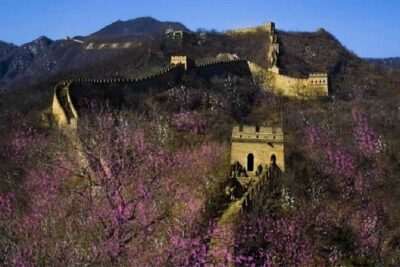
Six Days Highlight Tour from Beijing to Kunming by High-speed Train
Read our review →
Six Days Private China Tour to Beijing Xian Shanghai Experience High-speed Train
Read our review →Browse the lists this tour appears in