Reviewed · TICKETS
Beijing Ancient Observatory Admission Ticket
Beijing is loud. This stop is quiet. At the Beijing Ancient Observatory, you get ancient astronomical instruments, careful architecture, and the story of Chinese skywatching without needing a big tour group.
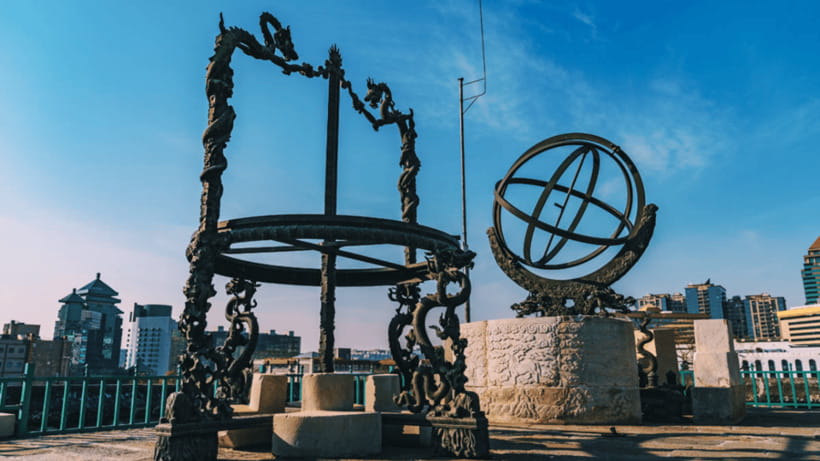
What I like most is the calm, restful atmosphere (a welcome break from road noise and crowds), and the chance to stand in front of serious scientific hardware like the armillary sphere and celestial globe. Even if you know nothing about astronomy, the displays make the purpose feel real.
One thing to consider: there is no guided tour included. So if you want a running commentary, you’ll rely on the on-site exhibits and your own reading, and you may need a little extra time to connect the dots.
In This Review
- Key highlights before you go
- A Quiet Break From Beijing Traffic Near Jianguomen Bridge
- What Makes the Ancient Observatory Worth $10
- Ming Star Observing Platform to Qing Observatory, How the Site Changed
- Armillary Sphere, Celestial Globe, Gnomon, the Big Instruments
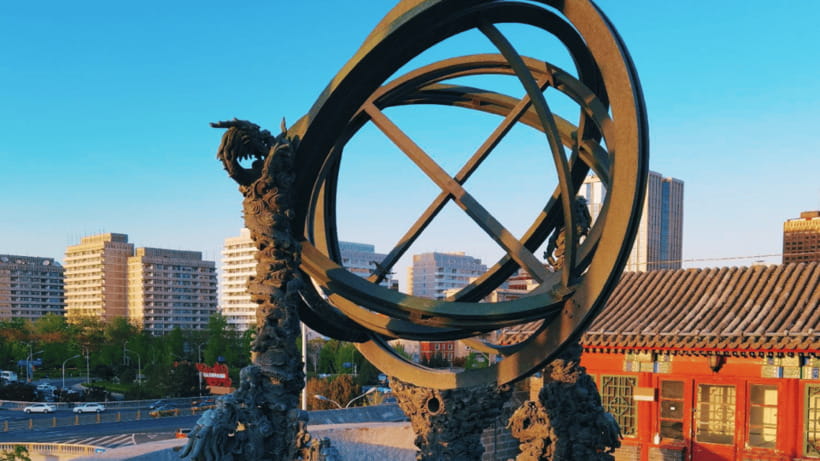
- Armillary Sphere
- Celestial Globe
- Gnomon
- European-Style Bronze Tools and the East-West Science Mix
- How to Plan Your Day in the 9:00 AM to 4:30 PM Window
- Smart Tips for Photos, Walking, and Timing Without a Guide
- Who This Ticket Fits Best
- Should You Book This Beijing Ancient Observatory Admission Ticket?
- FAQ
- Where is the Beijing Ancient Observatory?
- How much is the admission ticket?
- How long is the visit?
- What are the opening hours?
- What can I see at the observatory?
- Is this experience guided?
- Do I need to bring anything?
- What do I need to do when booking?
- Can I cancel my ticket?
- Is the observatory wheelchair accessible?
Key highlights before you go
- A surprisingly peaceful visit near a major city crossing, Jianguomen Bridge
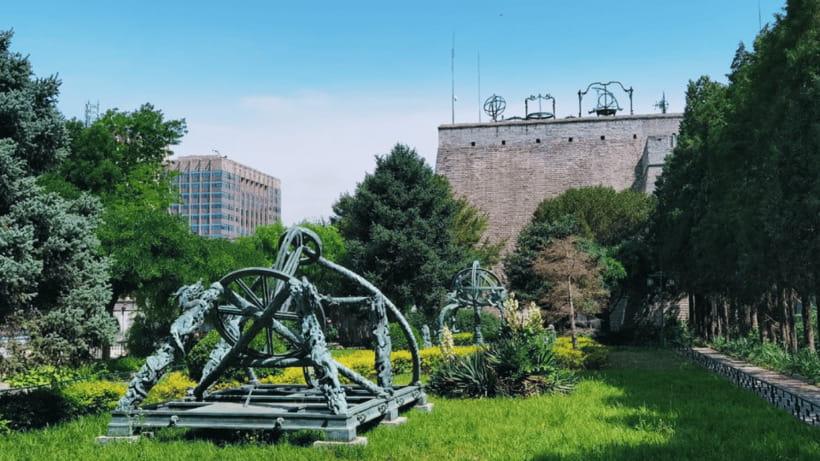
- Rare instruments on view, including the armillary sphere, celestial globe, and gnomon
- Ming and Qing stories in one site, from the Star Observing Platform to the Observatory
- East-West science layers, with European-style bronze tools added during the Qing
- Self-paced admission that works well as a calm half to full stop in your day
- Clear visiting hours, open 9:00 AM to 4:30 PM with last admission at 4:30 PM
A Quiet Break From Beijing Traffic Near Jianguomen Bridge

The Beijing Ancient Observatory sits at the southwest corner of Jianguomen Bridge, which is exactly the kind of detail that can save you time. You’re in central Beijing, but the site feels more controlled and still than the surrounding streets.
I really valued the way the place lets your brain slow down. The instruments are physical, heavy, and old, and that makes the whole experience less like reading a museum placard and more like exploring a working idea from the past. One review summed it up well with the feeling of a calm pause away from the city’s motion, and that matches what you’ll likely notice when you arrive.
If you hate rushing through indoor stops, this is a good match.
Beijing tours travelers are booking next

What Makes the Ancient Observatory Worth $10
At about $10 per person, this is priced like a straightforward admission ticket, not a pricey guided experience. What you get for that money is access to the observatory itself plus viewing of the ancient astronomical instruments and cultural and historical exhibits.
The value is in the combination:
- You’re not only seeing objects. You’re also learning why they mattered for skywatching and cultural exchange.
- You’re not only doing science. You’re doing Ming and Qing-era museum time inside one historic complex.
Also, because the visit is built around a specific place with standout instruments, you can usually feel the payoff even if your day is packed. This is the kind of ticket you can use as a reset button.
Ming Star Observing Platform to Qing Observatory, How the Site Changed
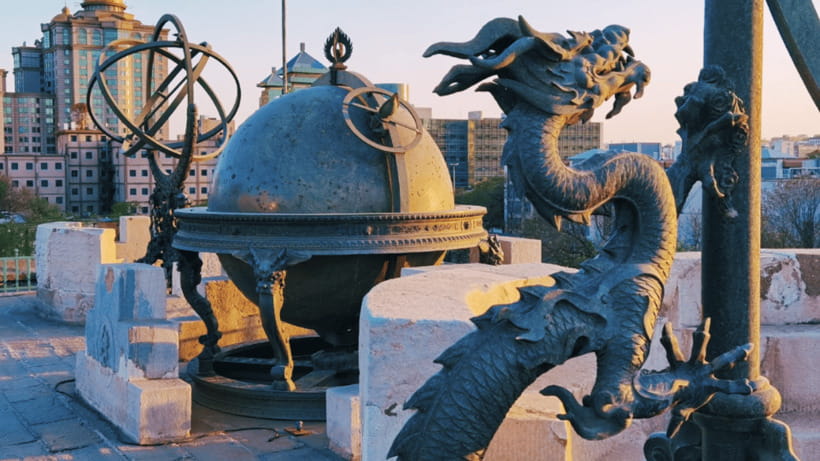
The site’s names tell the story. In the Ming era, it was known as the Star Observing Platform. Then in the Qing Dynasty, it became known as the Observatory.
Why that shift matters: you’re watching astronomy evolve in real time through the physical tools and the way the site was used and expanded. During the Ming era, the observatory was equipped with major instruments such as:
- Armillary Sphere
- Celestial Globe
- Gnomon
Then during the Qing, the site expanded again. During the reigns of Emperors Kangxi and Qianlong, European-style bronze astronomical instruments were added.
So you’re not just learning about what ancient people observed. You’re seeing how rulers and scholars changed the instrument toolkit and absorbed outside influences. That’s a very human part of science history.
Armillary Sphere, Celestial Globe, Gnomon, the Big Instruments
This is where your ticket pays off.
Plan to spend time in front of the three headline instruments, because each one connects to a different way humans tried to measure and understand the sky.
Armillary Sphere
The armillary sphere is a classic star-mapping tool. When you see it in person, it helps you understand the mindset behind ancient astronomy: using a physical model to track motion in the heavens.
Travelers who read this also booked these.
- From Beijing: Mutianyu Great Wall Tours with Options★ 4.9 · 9,216 reviews
- Beijing: T-Square & Forbidden City Group or Private Tour★ 4.8 · 4,446 reviews
- All-Inclusive Tour: Tiananmen Square, Forbidden City, Great Wall★ 5.0 · 2,873 reviews
- MuBus: Mutianyu Great Wall ENG/ESP/RUS Guided Bus Tour★ 5.0 · 2,361 reviews
Celestial Globe
The celestial globe is another way to represent the sky as a system. Even if the display labels are brief, the idea comes through: you’re looking at a structured representation of constellations and celestial positions.
Gnomon
The gnomon is closely associated with measuring time and tracking the sun’s position through shadows. It’s simple in concept, but seeing it among the bigger instruments makes it feel like part of the same scientific toolbox, just aimed at different questions.
What I’d suggest: don’t rush your eyes from instrument to instrument. Stand, look for a moment, then read whatever small description is available. Give each tool one focused look. It turns the visit from passive viewing into actual learning.
European-Style Bronze Tools and the East-West Science Mix
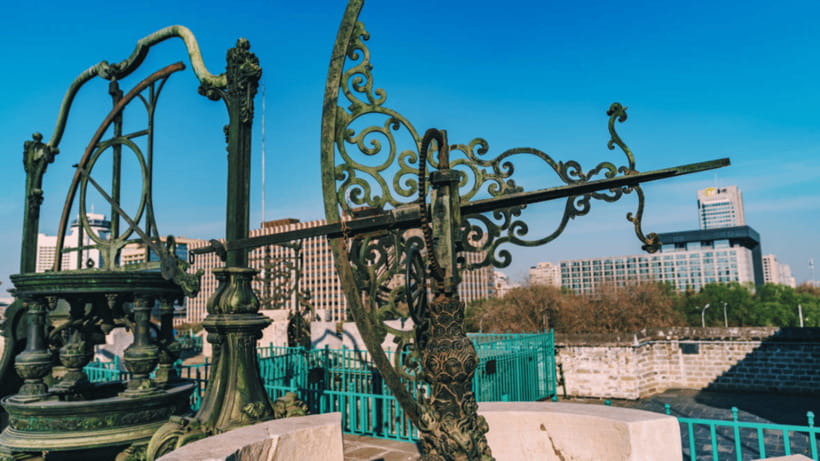
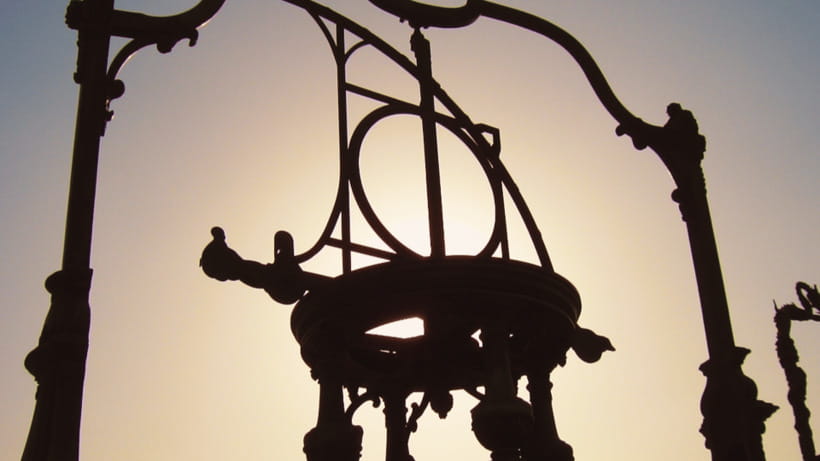
One of the most interesting parts of the observatory is the presence of European-style bronze astronomical instruments added during Kangxi and Qianlong.
You might expect an observatory to reflect only one tradition. Instead, this site shows what happens when knowledge travels. The European-style additions don’t replace the original purpose. They layer new designs and approaches onto an existing Chinese skywatching framework.
This is also where the exhibits matter. The historical story helps you interpret what you’re seeing. You can walk away with a clearer sense of how astronomy served as a bridge, not just a science project.
If you like culture-meets-science places, you’ll probably enjoy lingering here.
How to Plan Your Day in the 9:00 AM to 4:30 PM Window
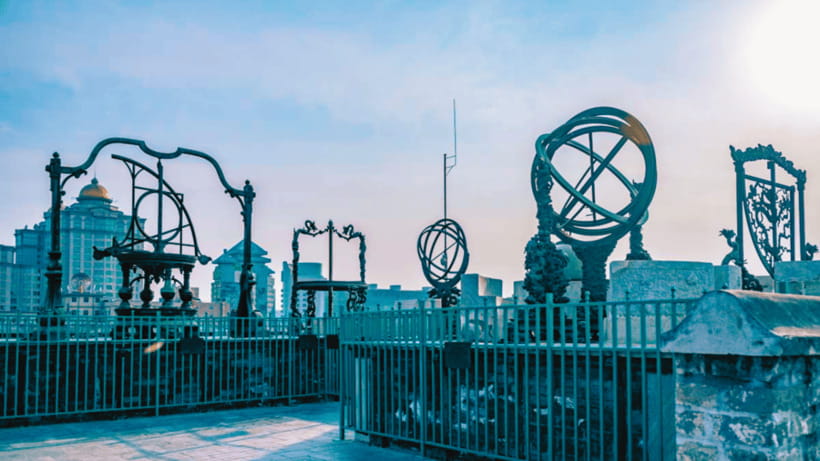
The observatory is open 9:00 AM to 4:30 PM, and last admission is at 4:30 PM. Tickets are valid only for the booked date, so treat the time as part of your plan, not an afterthought.
Since this is a self-paced admission (guided tours are not included), you should build in enough time to do three things:
- Walk through the main viewing areas at a relaxed speed.
- Spend real time with the big instruments.
- Read the exhibits enough to connect the Ming and Qing timeline.
A calm visit like this is usually best when you’re not trying to cram five other stops into the same hour. If your day is tight, aim to arrive earlier in the open window so you’re not staring at the clock.
Smart Tips for Photos, Walking, and Timing Without a Guide
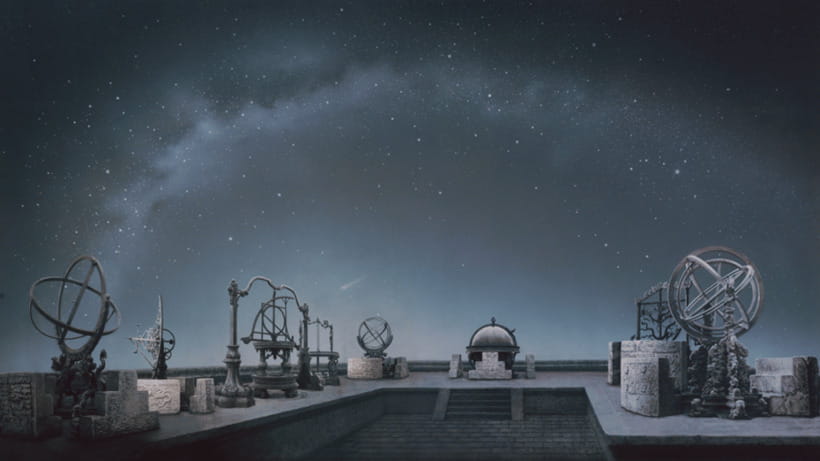
No guided tour means you control the pace, which can be great. It also means you should prepare to do a bit of light self-exploration.
Here’s how to make that work smoothly:
- Bring your passport since the booking process requires your name and passport number to match what you provide.
- Plan on quiet attention, not speed-reading. The site is most enjoyable when you take the time to understand what each instrument does.
- If you care about photos, think about your viewing angles. Many instruments are structured and detailed, so moving a few steps can improve what you capture.
One more practical thought: the site is described as having well-preserved architecture. That means you’ll get value from simply looking around, not only at the instruments. Slow down and notice the setting, because it adds context to the tools themselves.
Who This Ticket Fits Best
This admission ticket is a great fit if you want:
- A calmer, more reflective Beijing stop near a central area
- A science and history combo focused on actual instruments, not just diagrams
- A self-paced visit where you can pause, read, and look longer when something catches your eye
You might especially like it if you’re the type who enjoys understanding how cultures measured the sky, and how technology transfers happen across time.
If you’re the kind of traveler who relies on a guided storyline, you can still enjoy the visit, but you’ll want to give yourself extra time to read exhibits and connect facts on your own.
Should You Book This Beijing Ancient Observatory Admission Ticket?
Yes, if you want a meaningful, budget-friendly stop that feels calm and focused. For around $10, you’re getting access to a historic observatory complex plus viewing of standout astronomical instruments like the armillary sphere, celestial globe, and gnomon, along with exhibits that explain why this site mattered.
I’d skip it or reconsider only if you specifically need a live guide to explain the instruments, because guided tours are not included. Otherwise, this is exactly the kind of ticket that can turn a busy travel day into a quieter chapter, with real objects and a clear Ming-to-Qing story.
FAQ
Where is the Beijing Ancient Observatory?
It’s located at the southwest corner of Jianguomen Bridge in Beijing.
How much is the admission ticket?
The price is listed as $10 per person.
How long is the visit?
The activity is set for 1 day, and you can spend time exploring the instruments and exhibits during opening hours.
What are the opening hours?
The observatory is open from 9:00 AM to 4:30 PM, with last admission at 4:30 PM.
What can I see at the observatory?
You can view ancient astronomical instruments such as the armillary sphere, celestial globe, and gnomon, along with other instruments and historical exhibits.
Is this experience guided?
Guided tours are not included, so you’ll explore the site on your own.
Do I need to bring anything?
You should bring your passport.
What do I need to do when booking?
You must send your full name as it appears on your passport and your passport number to complete the booking. If the details are not received on time, the booking can be canceled.
Can I cancel my ticket?
Free cancellation is available up to 24 hours in advance for a full refund.
Is the observatory wheelchair accessible?
Yes, it’s listed as wheelchair accessible.
Newly Listed Tours in Beijing
- Beijing Half Day Walking Tour-Tiananmen Square and Forbidden City★ 5.0 · 1 review
- 1-Day Beijing private English speaking guide with driver service★ 5.0 · 1 review
- Flexible Private Layover Beijing Night Sightseeing with English Speaking Driver★ 5.0 · 1 review
- Private Day Trip to Huaibei International Ski Resort and Mutianyu Great Wall★ 5.0 · 1 review
- 2-Day Customizable Beijing Highlight Tour with Airport Transfer Option★ 5.0 · 1 review
- 1-Day Beijing Private tour: Mutianyu Great Wall and Summer Palace★ 5.0 · 1 review
- Private Virtual Tour in Beijing★ 4.0 · 1 review
- Bus tour to Jinshanling Great Wall★ 5.0 · 1 review
Tickets, compared.

Forbidden City Tour(Group/Private)-Tickets Included
Read our review →
4-Hour Small Group Tour to Forbidden City with Entry Tickets
Read our review →
Tiananmen Square Registration Service(Ticket)
Read our review →
The Temple of Heaven or Summer Palace Entry Ticket
Read our review →
Beijing Forbidden City Ticket Booking (Optional: guide service)
Read our review →
Mutianyu Great Wall Daily Tour with Ticket & Lunch
Read our review →
Forbidden City&T-Square Small GroupTours w/ ticket(Eng/Esp Guide)
Read our review →