
Reviewed · BEIJING
Beijing: Confucius Temple Entry; fast and smooth
Beijing’s Confucius Temple moves fast. This 1-day ticket combo is built for an easy entry, so you can spend less time wrestling with paperwork and more time walking through Confucius Temple courtyards and the Guozijian Imperial College complex. It is especially interesting if you like places where ideas, education, and architecture all show up in the same space.
What I like most is how you get historic details you can actually see, from old halls and stone tablets to the scholar-focused feel of the grounds. I also like the modern layer: students still come to pray for success in their exam journey, which makes the site feel less like a museum and more like a living tradition. One thing to consider, though, is that it can feel quiet and text-heavy, so if you want huge spectacle, you might wish you had a guide to explain what you are looking at.
And yes, the smooth part depends on you getting the tickets on time. When the ticket handoff works, entry is quick. When it does not, you may need a backup plan on-site.
In This Review
- Key takeaways before you go
- Why Confucius Temple and Guozijian is a smart 1-day choice
- Price and logistics: what $12 really buys you
- Ticket handoff in plain terms: WhatsApp, names, and passport numbers
- Stop 1: Confucius Temple, built in 1302, with courtyards and stone tablets
- Stop 2: Guozijian Imperial College, where exams meet tradition
- Timing and pacing: how to plan your walk without feeling rushed
- Who this ticket combo is best for (and who should rethink it)
- Downsides to watch: tickets that fail, not much to see, and weather uncertainty
- Quick value check: is this worth booking?
- FAQ
- What is included in this experience?
- How long does the visit take?
- How much does it cost?
- Do I need to buy tickets at the entrance?
- How do they get my ticket details?
- Is skip-the-ticket-line included?
- Is it wheelchair accessible?
- Is there free cancellation?
- Should I book if I want a guided explanation?
Key takeaways before you go
- Fast entry focus: You are paying for smoother admission, not a long guided day.
- 1302-era Confucius Temple: Plan for classic courtyard architecture and stone tablets tied to scholars.
- Guozijian exam history: You are walking through China’s most prestigious ancient educational institution.
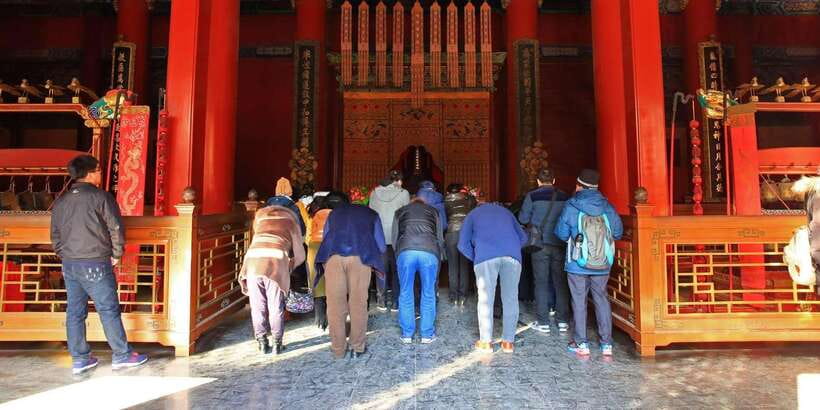
- Prayers for exam success: Modern students still visit for wisdom and resilience.
- Ticket handoff matters: The included QR code is not the ticket, so you need the actual sent tickets.
- Mixed expectations on-site: If you want big action, you may find it calm rather than showy.
Why Confucius Temple and Guozijian is a smart 1-day choice
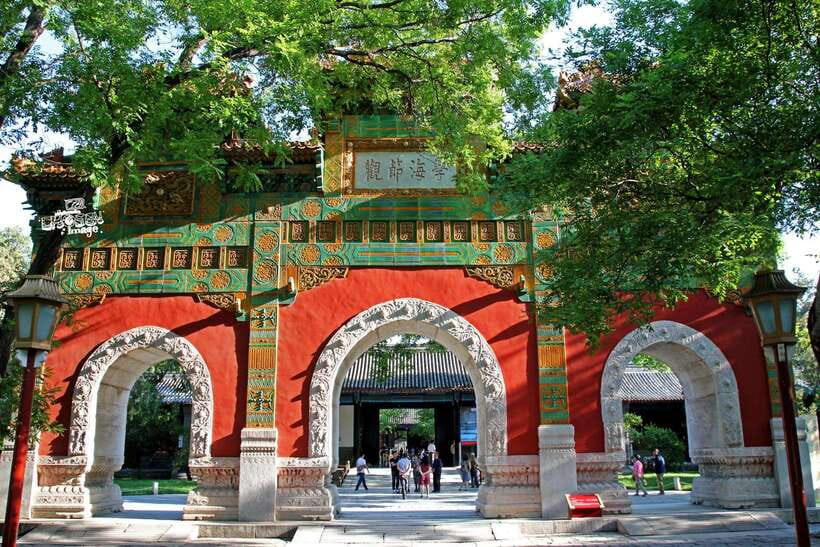
Confucius Temple in Beijing is one of those places where the atmosphere explains the meaning. The architecture is built around order, respect, and learning, and you feel that right away when you move through courtyards and halls. This is not the kind of site where you just snap photos and leave. It works better when you slow down enough to notice how the stone tablets and scholar-themed spaces frame the story of education.
The second half, Guozijian Imperial College, adds a crucial layer. You are not only seeing a philosopher’s legacy, you are stepping into the space tied to China’s elite education system. The Imperial College (Guozijian) was once China’s most prestigious educational institution, where elite scholars were trained for leadership. That is a big claim, and the reason it matters is simple: it turns the temple from a cultural landmark into a real exam-and-learning storyline you can walk through.
If you are short on time, this combo is a practical way to get both in one day. It is also a good pick if you are traveling with someone who likes history that feels structured and readable, even when it is not loud.
A few more corners of Beijing worth exploring before you go.


Price and logistics: what $12 really buys you
You are paying about $12 per person, and the value here comes from two things: included entry tickets to both Confucius Temple and Guozijian, plus help skipping the ticket line. In other words, you are not just buying admission, you are buying time and reducing friction.
That time-saver matters because the most frustrating part of visiting major Beijing sites is rarely the walking. It is the ticket moment. If you show up needing to figure out where to buy, how to pay, and which line moves fastest, you burn your energy fast. This experience is designed to reduce that stress by preparing your admission in advance.
There is one caution, based on real-world problems that have happened: the QR code you get for the booking is not the ticket. You must have the actual tickets sent to you once the organizers receive your details. If those tickets arrive late, the whole “fast and smooth” plan can fall apart.
Ticket handoff in plain terms: WhatsApp, names, and passport numbers
The process is straightforward, but it is also strict. The team reaches out to you via WhatsApp and asks your guide for booking information: your full name and passport number. Once they have that information, the tickets are prepared.
Two practical tips can save you headaches:
- Reply quickly on WhatsApp as soon as they contact you. If you ignore messages until the last minute, you put yourself at risk of missing the ticket timing.
- Use the exact name and passport details you would use at the entry gate. Small mismatches can cause problems with acceptance.
Also remember: the QR code for your booking is not the entry ticket. You are looking for the tickets that get sent to you after your details are processed. If you are traveling with friends, I suggest you double-check that everyone has their own ticket message, not just one person.
I love this style of ticket handling when it works because it makes the entry feel like a normal, organized stop. But I cannot ignore the drawback: when ticket messages do not arrive on time, people have had to buy new entries on-site, which destroys the value of skipping lines.
Stop 1: Confucius Temple, built in 1302, with courtyards and stone tablets
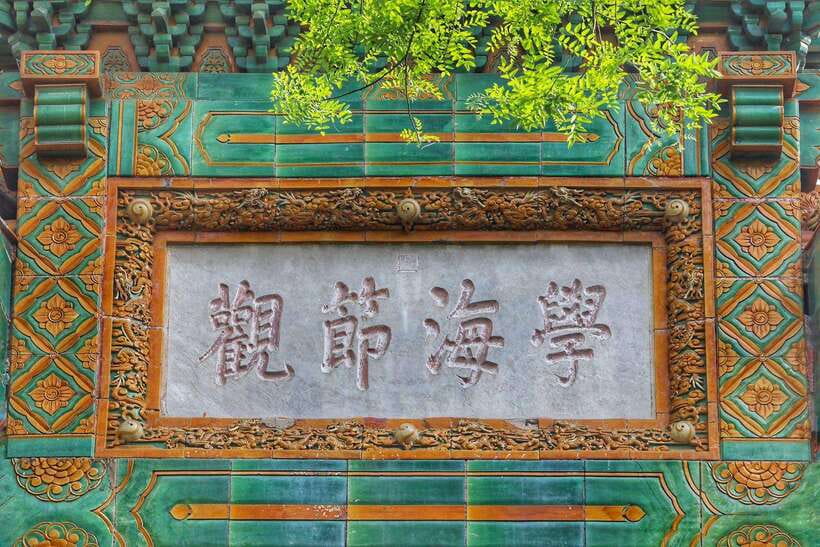
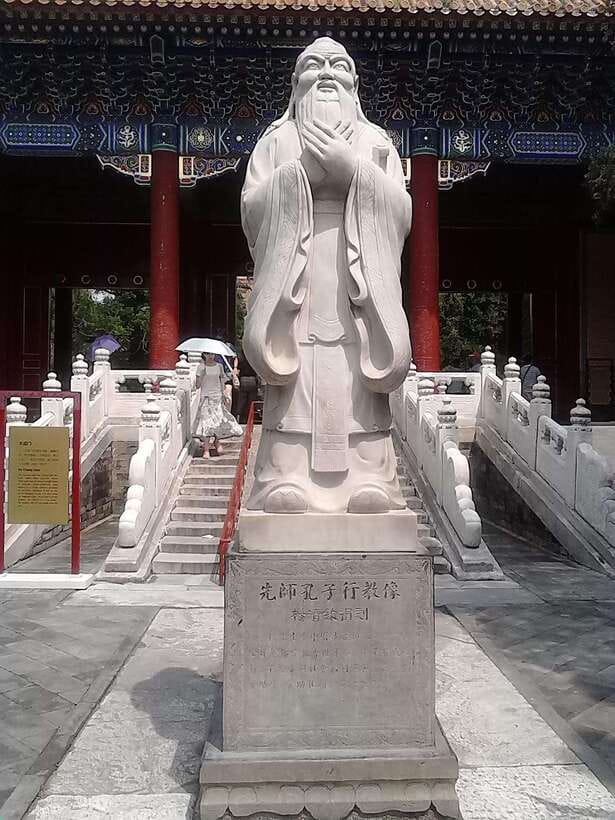
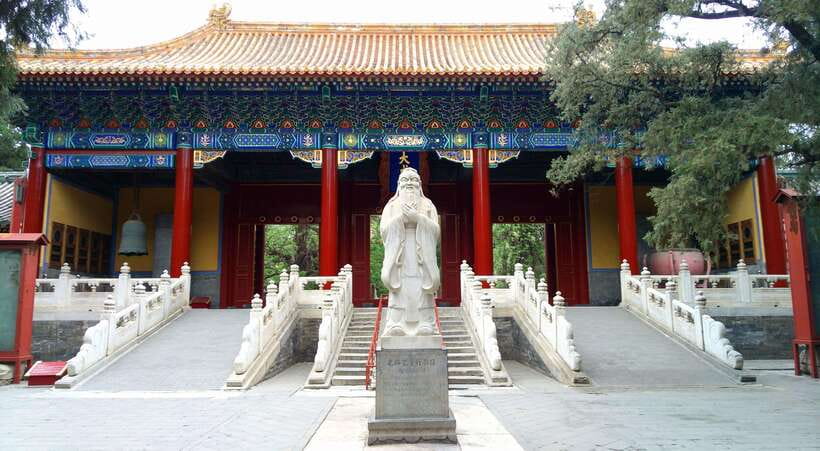
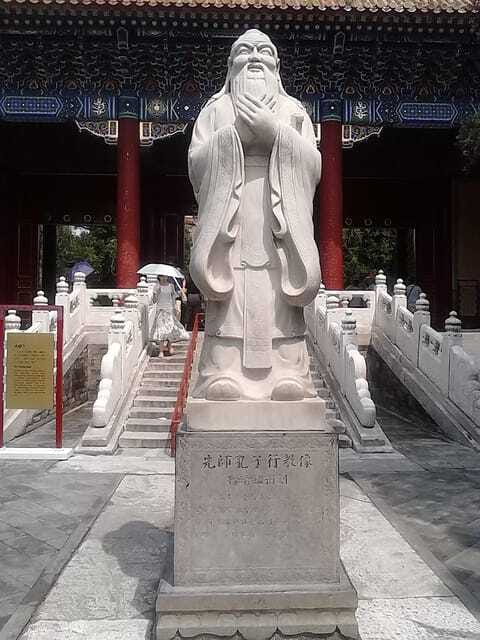
Confucius Temple dates back to 1302, and that age shows in the layout. Think old courtyards, traditional halls, and stone tablets that carry the weight of centuries. What you get is a slow, structured walk through spaces meant for learning and respect, not a theme-park circuit.
Here is what to look for as you move:
- Courtyard rhythm: the design guides your pacing. If you rush, you miss how the space “sets the tone.”
- Halls and gateways: they are not random stops. They help you understand how formality and hierarchy shaped learning.
- Stone tablets: these are the standout if you like scholar stories. They tell tales of academics from centuries past, and they connect the temple to education as a lifelong theme.
This is also the part where your expectations matter. If you came for bright, dramatic spectacle, you may find it more restrained than you hoped. On the other hand, if you enjoy architecture that makes you look twice, the stone tablet details and the calm courtyard flow can be genuinely satisfying.
One more smart idea: wear comfortable shoes. You will be standing still sometimes, reading or scanning carvings, but you will also be walking between multiple sections of the complex. A smooth ticket does not reduce the need for a decent leg day.
Stop 2: Guozijian Imperial College, where exams meet tradition
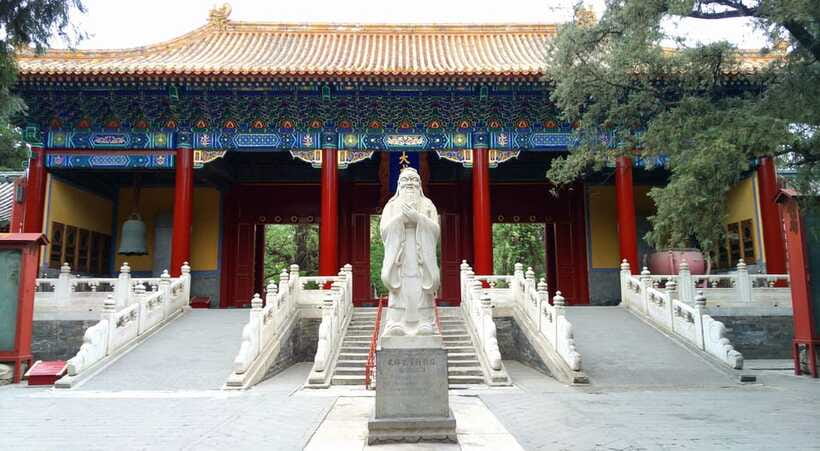
Guozijian (the Imperial College) is the learning engine of this visit. Historically, it was the top ancient educational institution in China, training elite scholars for leadership. That is the headline version, but what makes it meaningful is how it links education to culture.
As you explore, keep this in your head: you are not just visiting a building. You are visiting a place where official schooling, discipline, and leadership preparation were part of the system. You may not see “classrooms” in the modern sense, but you will feel the official nature of the space through its design and the way people move and pause within the grounds.
The modern tradition is what makes Guozijian feel alive. Students still visit to pray for success in their college entry exams, asking for blessings for wisdom and resilience. If you arrive at a time when people are gathered quietly, take a respectful pause. This is one of those sites where the present moment matters as much as the stone.
A practical note from on-site reality: the complex can be full on certain days. Even then, the way you experience it changes. When crowds are heavier, the courtyards can feel more compressed, but you might also notice ceremonies or activities happening in and around the grounds. Keep your attention open and do not treat the day as only a photo session.
Travelers who read this also booked these.
- All-Inclusive Tour: Tiananmen Square, Forbidden City, Great Wall★ 5.0 · 2,873 reviews
- MuBus: Mutianyu Great Wall ENG/ESP/RUS Guided Bus Tour★ 5.0 · 2,361 reviews
- 4-Hour Small Group Tour to Forbidden City with Entry Tickets★ 5.0 · 1,863 reviews
- Beijing: Tiananmen Square Registration Service(Ticket)★ 4.5 · 1,704 reviews
Timing and pacing: how to plan your walk without feeling rushed
This is listed as 1 day, and that is realistic because you are covering two major areas: Confucius Temple and Guozijian. The key is pacing. With a site like this, you can burn time just moving between sections if you keep stopping for snacks and photos. You can also slow down too much if you plan to read everything on the tablets.
A good strategy is to choose your depth level:
- If you want a lighter visit, focus on the main courtyard paths, the most prominent tablets, and the core Guozijian learning spaces.
- If you want a deeper feel, spend extra minutes lingering where the tablet stories connect to the idea of scholarship.
Also, try to arrive ready to move. If you are still waiting for tickets during your travel window, you are going to feel rushed the minute you reach the entrance area. That is why getting the right ticket message from the organizers is not a minor detail. It is the difference between a smooth entry and a stressful scramble.
Who this ticket combo is best for (and who should rethink it)
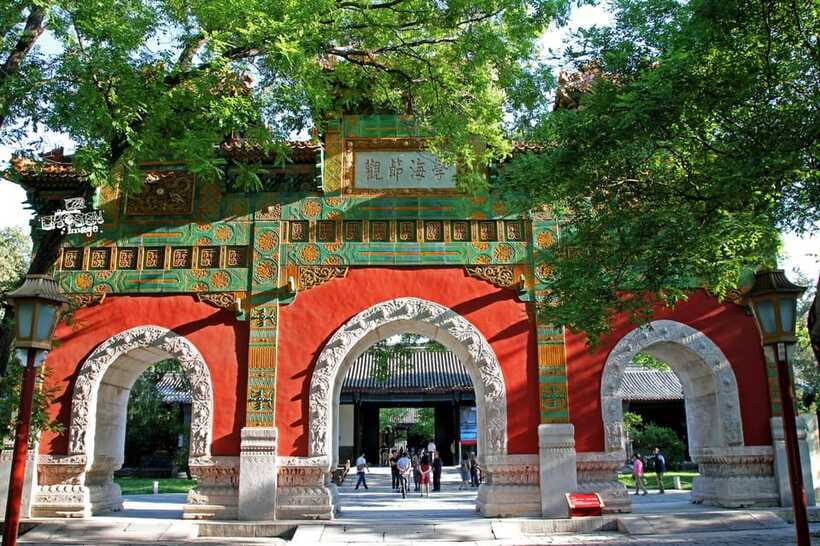
This experience is best for you if:
- You want to cover Confucius Temple and Guozijian in a single day.
- You care about saving time at the entrance through skip-the-ticket-line handling.
- You enjoy cultural sites where education, respect, and tradition show up in the layout and the carvings.
It may not be ideal if:
- You expect a loud, entertainment-style tour.
- You do not enjoy reading stone tablets or absorbing historical context at your own pace.
- You are the kind of traveler who hates ticket-related email or messaging steps, because this one depends on correct details being sent and tickets being received.
If you are the type who wants everything explained, you might wish you had a guide during your walk. Even with smooth tickets, context can make the difference between seeing objects and understanding why they mattered.
Downsides to watch: tickets that fail, not much to see, and weather uncertainty
Here are the realistic issues to plan around.
Ticket delivery problems
Some people have had trouble receiving tickets on time, or had tickets that did not get accepted at entry. When that happens, the experience can turn from smooth to stressful. Your best defense is to confirm you received the ticket message well before your planned entry time, and to keep your passport details consistent with what was submitted.
Mismatch with expectations
Confucius Temple can feel calm, especially compared with places built for crowds and spectacle. If your travel style is action-first, you may end up thinking not much is happening. If you are okay with a slower, more reflective pace, that calm quality is part of the charm.
Weather and day-of conditions
On at least one occasion, rain has been tied to cancellation. I would not assume the weather will ruin everything, but if you have flexible days, consider booking with a bit of buffer and having rain shoes and a small umbrella if forecasts look messy.
Quick value check: is this worth booking?
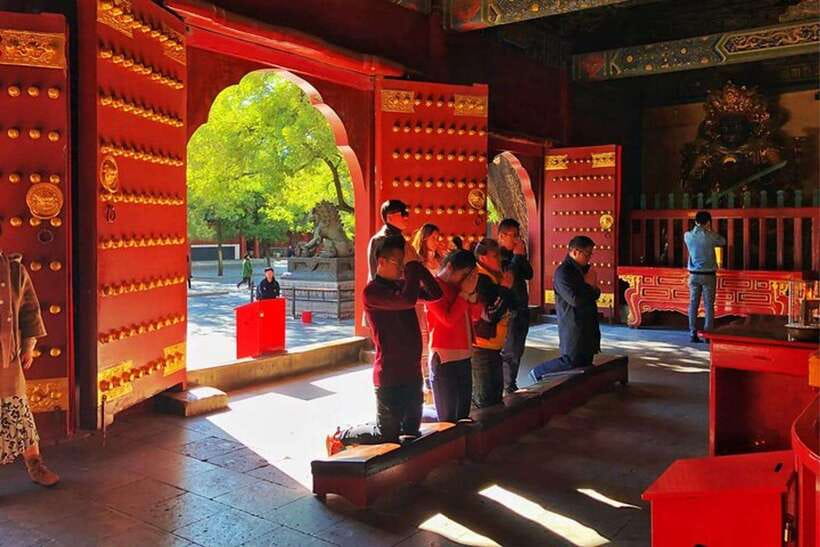
If the ticket handoff goes smoothly, this is a strong value. You get entry to both Confucius Temple and Guozijian, you avoid extra ticket-line time, and you spend your day in two of Beijing’s most education-linked cultural spaces, including the modern exam-prayer tradition.
If you tend to forget WhatsApp messages or you travel with tight timing that leaves no buffer, then the “tickets must be sent correctly” part becomes the deciding factor. In that case, I would only book if you can actively monitor messages before you leave your hotel.
My final take: book it if you want a time-saving, self-paced visit with maximum access to the core sites. Skip it, or plan differently, if you need heavy narration to make the stone tablets and imperial education story click.
FAQ
What is included in this experience?
It includes entry tickets for Confucius Temple and Imperial College (Guozijian).
How long does the visit take?
It is valid for 1 day, starting from the first activation.
How much does it cost?
The price is listed as $12 per person.
Do I need to buy tickets at the entrance?
You should not rely on the booking QR code as the ticket. The tickets are sent once your full name and passport number are provided.
How do they get my ticket details?
They reach out to you via WhatsApp and ask for your full name and passport number.
Is skip-the-ticket-line included?
Yes, skip the ticket line is part of the experience.
Is it wheelchair accessible?
Yes, it is wheelchair accessible.
Is there free cancellation?
Yes. You can cancel up to 24 hours in advance for a full refund.
Should I book if I want a guided explanation?
This ticket covers admission and access. If you want deeper explanations, you may prefer adding guidance on-site or pairing your visit with additional interpretation resources.
Newly Listed Tours in Beijing
- Beijing Half Day Walking Tour-Tiananmen Square and Forbidden City★ 5.0 · 1 review
- 1-Day Beijing private English speaking guide with driver service★ 5.0 · 1 review
- Flexible Private Layover Beijing Night Sightseeing with English Speaking Driver★ 5.0 · 1 review
- Private Day Trip to Huaibei International Ski Resort and Mutianyu Great Wall★ 5.0 · 1 review
- 2-Day Customizable Beijing Highlight Tour with Airport Transfer Option★ 5.0 · 1 review
- 1-Day Beijing Private tour: Mutianyu Great Wall and Summer Palace★ 5.0 · 1 review
- Private Virtual Tour in Beijing★ 4.0 · 1 review
- Bus tour to Jinshanling Great Wall★ 5.0 · 1 review