
Reviewed · MUSEUMS
Beijing: Prince Kung’s Palace Museum Ticket—Must-See Spot
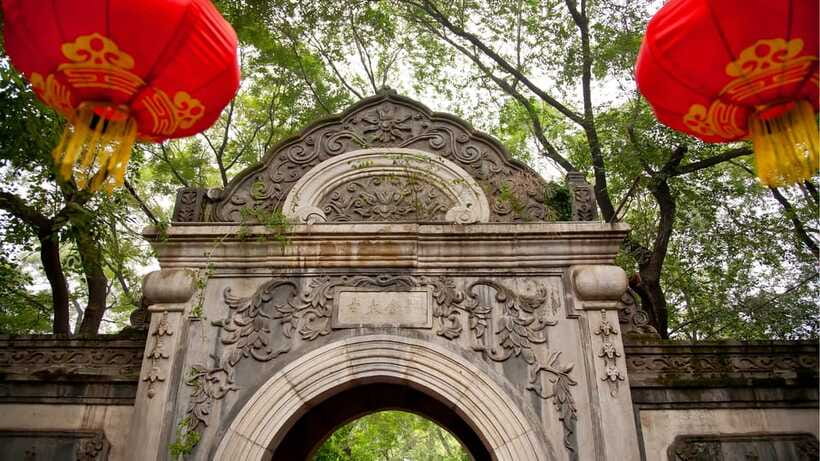
Qing power, without the full-day squeeze. Prince Kung’s Palace Museum (also known as Prince Gong’s Palace) is one of Beijing’s biggest Qing Dynasty prince residences, and you get in smoothly with skip-the-ticket-line entry and an English PDF guide for a relaxed self-guided walk.
I especially like the scale and craft, because this is the largest Qing Dynasty prince’s mansion, packed with courtyards, halls, and refined residential spaces that reflect elite life. My second favorite is the setting, the palace gardens and water features feel calmer than you’d expect from a major Beijing stop, and the evening adds a light show and cultural performance. One thing to consider is timing, it can feel crowded after 11:00, so you’ll have a better viewing experience if you go early.
Plan for real time on site. A visit often takes at least 2 hours, and it can be a heavy day if you try to stack it after the Forbidden City, so think about splitting your palace time across days or starting sooner.
In This Review
- Key points before you go
- Why Prince Kung’s Palace Museum feels different from the Forbidden City
- Your self-guided visit: how the English PDF helps you see more
- Beating the timing trap: skip-the-line still needs strategy
- Walking the Qing layout: halls, corridors, and elite living spaces
- The garden and feng shui water features you’ll actually enjoy
- Evening light show and cultural performance, how to plan around it
- Getting there and pairing it with nearby Beijing sights
- Price and value: what $20 gets you in the real world
- Who this palace visit is best for
- Should you book Prince Kung’s Palace Museum tickets?
- FAQ
- What is included in the Prince Kung’s Palace Museum ticket?
- Is there a live tour guide included?
- Is an audio guide included?
- How long does the visit take?
- Can I skip the ticket line?
- What should I bring with me?
- How much does it cost?
- Are there self-guided options?
- Is there an evening show?
- What if I need to cancel?
- Can I reserve now and pay later?
Key points before you go
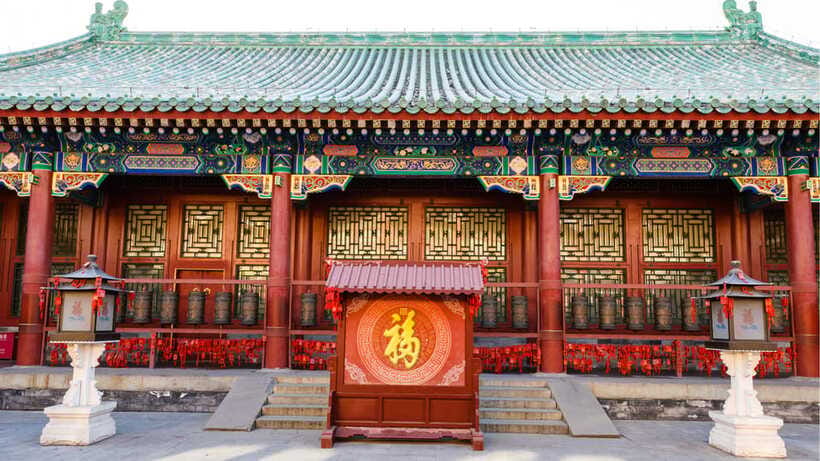
- Largest Qing Dynasty prince residence: Big enough to feel like a real world, not just a quick photo stop.
- Self-guided with an English PDF guidebook: You can go at your pace and focus on what you want to see.
- Skip-the-ticket-line entry: Less time stalled at the entrance.
- Garden and water features: Peaceful breaks with traditional design ideas, including feng shui themes.
- Evening light show and cultural performance: A different side of Qing-era culture after daylight hours.
- Crowds after late morning: If you want clear views, go before the rush.
Why Prince Kung’s Palace Museum feels different from the Forbidden City
If you love imperial history, Beijing can be a lot. The Forbidden City grabs most of the attention, but Prince Kung’s Palace Museum offers the same Qing Dynasty world in a format that feels easier to handle. It’s still a major royal residence, but the grounds and layout make it feel more walkable and less exhausting than the biggest palace complex.
This mansion was built in the late 18th century, when Qing power was in full swing. It was the lavish home of He Shen, a powerful minister during Emperor Qianlong’s era. That context matters because you’re not just looking at pretty architecture. You’re walking through spaces tied to how ministers, court politics, and status played out in real daily life.
The palace is also known as something like half of Qing Dynasty history. Even if you don’t treat that as a literal fact, it’s a useful idea. The place is filled with the everyday signals of rank: carefully planned courtyards, thoughtful pathways, and the kind of refined details you notice more when you slow down.
Beijing tours travelers are booking next

Your self-guided visit: how the English PDF helps you see more
This ticket option includes entry plus an English PDF guidebook. There’s no live guide included, and there’s no audio guide either, so you’ll get the most out of the visit if you treat the PDF like your roadmap.
The PDF guide is designed to point out the highlights, including key halls, the garden areas, and historical artifacts you might otherwise miss. It also includes insider tips, which is where the experience becomes more than just wandering. Instead of drifting from one courtyard to the next, you get a simple plan for what to prioritize and what’s worth extra time.
Because it’s self-guided, the biggest advantage is control. You can linger where the architecture grabs you, switch to photography mode when the light is right, and take breaks in quieter garden spaces. You can also adjust if you’re traveling with mixed interests, history lovers can focus on artifacts and halls, while anyone who wants scenic walking can drift toward the pavilions and water features.
One practical move: download or save the PDF before you arrive so you’re not hunting for connectivity. Then skim it once, pick your must-sees, and only then start walking.
Beating the timing trap: skip-the-line still needs strategy
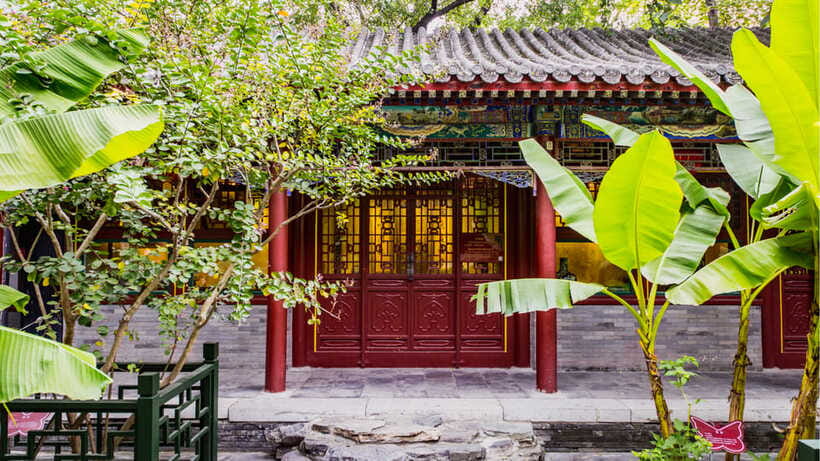
The ticket includes skip-the-ticket-line entry, which is great. You lose less time at the entrance, and you can start exploring sooner. But the palace itself is still a popular sightseeing site, so you’ll want to manage the hours you spend on the grounds.
A real-world timing warning is simple: after 11:00, it can get overcrowded and visibility drops, which makes it harder to enjoy details or get clean photos. In the afternoon, it can feel even more packed. That doesn’t mean you can’t go later, it just means you’ll likely have to move faster and accept that some areas will be harder to enjoy.
Here’s how to use the day to your advantage:
- Go early for the best chance of breathing room in courtyards and gardens.
- Plan for at least a couple of hours so you’re not rushing.
- If you want the evening show, consider leaving the grounds with enough time to settle in afterward.
Also keep an eye on starting times since the duration is listed as 1 day. That’s a clue that you’ll want to match your ticket window with the light show timing you care about.
Walking the Qing layout: halls, corridors, and elite living spaces
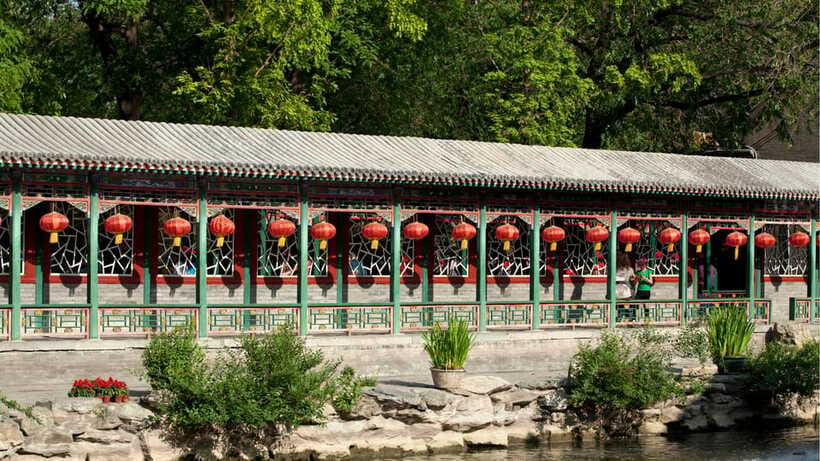
The heart of Prince Kung’s Palace Museum is the way it stages space. You move through gates into courtyards, then into more formal areas, then into residential quarters. It’s a pattern you’ll start to recognize quickly, and once you do, you’ll understand how the mansion functioned as a home and a display of status.
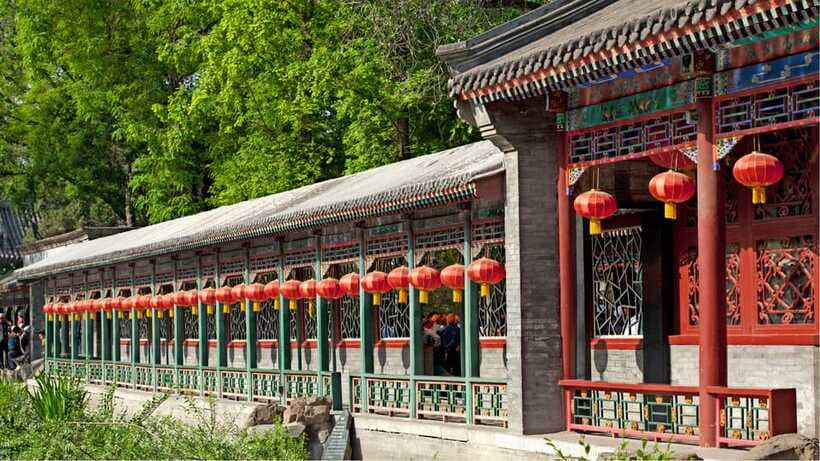
The mansion reflects the wealth and taste of Qing elites, and that shows up in the finer architectural choices: pavilions, corridors, and carefully arranged open areas that balance structure with natural scenery. Built in the late 18th century, the complex has enough preserved character that it doesn’t feel like a theme park. It feels like a place where you can still picture how people moved through daily life.
As you walk, watch for the transitions. Courtyards often feel like pauses between more structured spaces, and corridors can feel like guided routes where the architecture “frames” what you’ll see next. The most satisfying moments are usually the ones where you slow down long enough to notice the design rhythm, rather than just snapping one photo and moving on.
The PDF guide can help you focus on which halls or artifacts deserve attention, but even without it, your instincts work well here. If a courtyard looks like it was built to create calm sightlines, spend a few minutes there. If a pavilion and surrounding rockwork seems designed for quiet viewing, let that be your break point.
The garden and feng shui water features you’ll actually enjoy
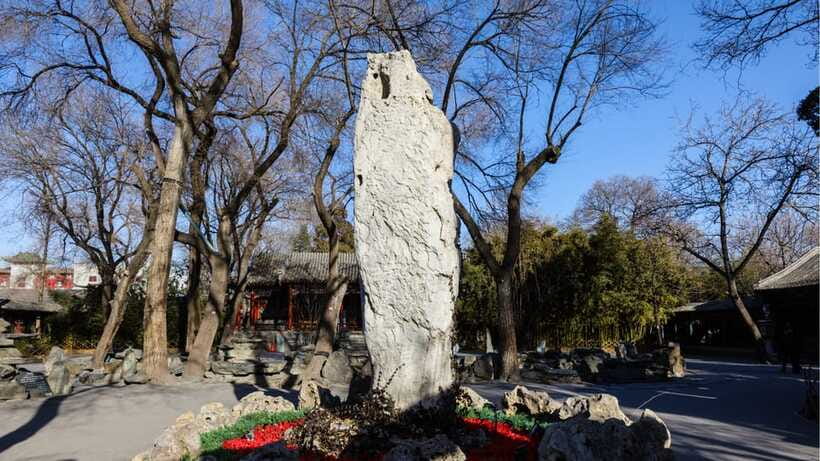
The palace gardens are a big reason this site feels worth your time. Reviews highlight the garden as impressive, and the overall vibe matches that. After you’ve spent time in formal halls and dense architectural spaces, the gardens act like a reset button.
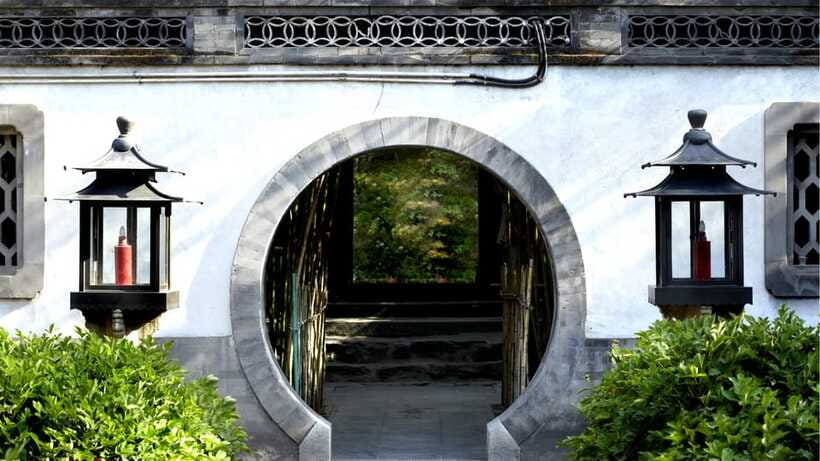
The complex includes serene water features and rockery elements. The design follows traditional Chinese feng shui ideas, which means the landscape isn’t random decoration. It’s meant to create harmony and flow, and you can see that in how pathways curve and how water is used to shape the atmosphere.
If you like photography, the gardens are where the palace becomes visually forgiving. Courtyards can be bright and crowded, but garden scenes give you angles with depth, softer backgrounds, and more natural sightlines. They also help you avoid the “one-note” feel some big sites create, because you get variety in both scenery and walking pace.
Just know this: the crowd factor can affect the gardens too, especially later in the day. Early hours make it easier to appreciate the tranquility the design is trying to create.
Travelers who read this also booked these.
- From Beijing: Mutianyu Great Wall Tours with Options★ 4.9 · 9,216 reviews
- Beijing: Forbidden City Tour(Group/Private)-Tickets Included★ 4.8 · 7,974 reviews
- Beijing: T-Square & Forbidden City Group or Private Tour★ 4.8 · 4,446 reviews
- All-Inclusive Tour: Tiananmen Square, Forbidden City, Great Wall★ 5.0 · 2,873 reviews
Evening light show and cultural performance, how to plan around it
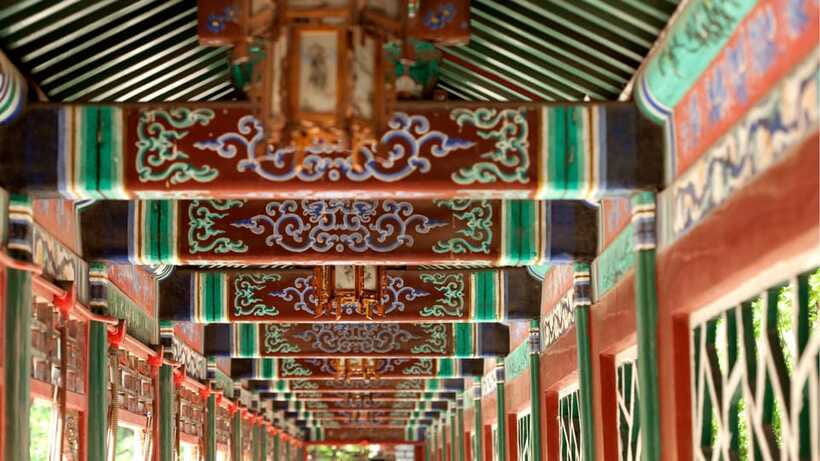
One of the headline reasons to consider this ticket is the stunning light show & cultural performance. It adds a modern layer to the setting, so you’re not stuck with only daytime architecture and museum-style viewing.
The main planning issue is timing and stamina. If you arrive late or spend too long in the busiest areas early, you might feel rushed once evening hits. If you arrive early and pace yourself, the light show becomes a fun finale rather than a last-minute sprint.
I’d treat the evening event as part of the sightseeing arc. Do the palace grounds earlier, give yourself time for the gardens, then shift into “performance mode” later. That way you’re not trying to chase two different experiences with one foot still in the midday crowd.
If the palace is crowded when you’re there, the show can still be worth it because it changes the mood. Even if daylight views are hectic, the evening lighting often turns the space into something more atmospheric.
Getting there and pairing it with nearby Beijing sights
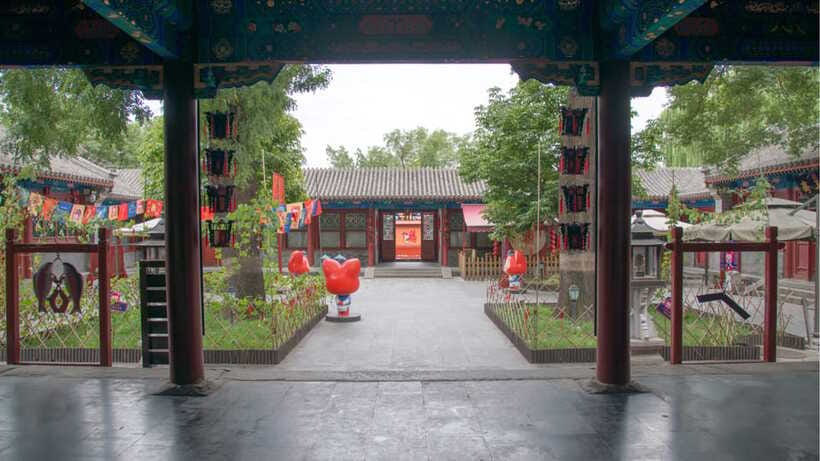
This palace is easier to work into a normal Beijing day than you might expect. One helpful approach is to come through the Shichahai area, because you can walk from the metro station and enjoy a scenic route. You may also be able to catch sights around that neighborhood, including the Drum Tower, which shows up naturally when you walk the area rather than just taxi from point to point.
That matters because it turns the palace from a standalone ticket into a bigger half-day or full-day plan. If you already like pairing attractions on foot, this is a good candidate. It also helps reduce the feeling that you’re spending the whole day in a single compound.
A smart pairing move is to combine this with other nearby stops in the same general area, then save the heavy hitters for another day. People often find this mansion less tiring than the Forbidden City, so you can build your day with more flexibility.
Price and value: what $20 gets you in the real world
The price listed is about $20 per person, and the value comes from what’s included. You get the entry ticket plus an English PDF guidebook, and you can skip the ticket line. That’s a solid bundle because the guidebook helps you make sense of what you’re seeing without adding extra costs for a live guide or audio equipment.
Here’s the practical way to judge value:
- If you want a clear, self-paced route, the PDF is the value driver.
- If you hate long lines, skip-entry is the value driver.
- If you care about gardens and photography, the palace layout gives you enough variety to justify spending real time.
It may not be the best fit if you want constant explanation from a person or you rely on audio guides. This option is designed for independent exploration. But if you like to read, pick your priorities, and move when you feel like it, that independence is a plus.
Also consider timing. If you go early, you’ll get more enjoyment from the same ticket. If you arrive late and it’s crowded, you might feel like you paid to stand around. That’s not a dealbreaker, but it’s a reason to plan your arrival time.
Who this palace visit is best for
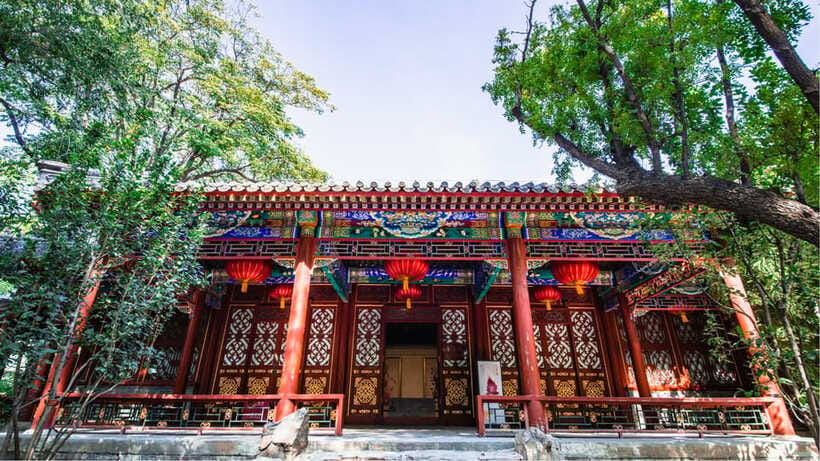
Prince Kung’s Palace Museum works especially well for:
- History and culture lovers who want Qing Dynasty context in a manageable walking format.
- Photographers who like architectural details plus calmer garden scenes.
- Travelers who want a break from the biggest, most overwhelming Beijing mega-sites.
- People who prefer self-guided pacing with a helpful language tool (the English PDF).
It’s also a good choice if your group has different moods. Some people can focus on formal interiors and artifacts, while others can spend more time in the gardens and pavilions.
If you’re the kind of visitor who wants a lot of narration or you’re the type who gets lost without a guide, then you’ll need to compensate by reading the PDF carefully before you start.
Should you book Prince Kung’s Palace Museum tickets?
I think you should book if you want a high-impact Qing palace experience without spending all day in the most crowded, most intense Beijing attraction. The mix of major architecture, a strong garden setting, and an evening light show gives you multiple ways to enjoy the same ticket.
Book it with a strategy. Go early to avoid the post-11:00 crowd crush, and plan for at least a couple of hours so you don’t feel rushed. If you’re also doing the Forbidden City, consider splitting your palace days so this mansion can be a relaxed, rewarding contrast.
Don’t book it if you know you strongly prefer live guide narration or you want audio-based commentary included with the ticket. This experience leans on self-guided learning, and you’ll get the best results if you’re willing to use the PDF guide.
If you match those preferences, this is an easy yes. It’s one of those Beijing stops that can feel more personal than the headline sites, because the scale and layout encourage you to slow down.
FAQ
What is included in the Prince Kung’s Palace Museum ticket?
The ticket includes entry to the Prince Kung’s Palace Museum and an English PDF guidebook.
Is there a live tour guide included?
No, a live tour guide is not included with this option.
Is an audio guide included?
No, an audio guide is not included.
How long does the visit take?
The experience is listed as 1 day. You should plan at least 2 hours to see the main highlights at a comfortable pace.
Can I skip the ticket line?
Yes, this ticket option includes skip-the-ticket-line entry.
What should I bring with me?
Bring a passport or an ID card.
How much does it cost?
The price is listed as about $20 per person.
Are there self-guided options?
Yes. This option emphasizes a self-guided visit using the included English PDF guidebook.
Is there an evening show?
Yes, the palace offers a light show and cultural performance in the evening.
What if I need to cancel?
Free cancellation is available up to 24 hours in advance for a full refund.
Can I reserve now and pay later?
Yes, there is a reserve now and pay later option.
Newly Listed Tours in Beijing
- Beijing Half Day Walking Tour-Tiananmen Square and Forbidden City★ 5.0 · 1 review
- 1-Day Beijing private English speaking guide with driver service★ 5.0 · 1 review
- Flexible Private Layover Beijing Night Sightseeing with English Speaking Driver★ 5.0 · 1 review
- Private Day Trip to Huaibei International Ski Resort and Mutianyu Great Wall★ 5.0 · 1 review
- 2-Day Customizable Beijing Highlight Tour with Airport Transfer Option★ 5.0 · 1 review
- 1-Day Beijing Private tour: Mutianyu Great Wall and Summer Palace★ 5.0 · 1 review
- Private Virtual Tour in Beijing★ 4.0 · 1 review
- 1-Way Private Transfer Service between Tianjin cruise Port and Beijing hotels★ 5.0 · 1 review
Museums, compared.
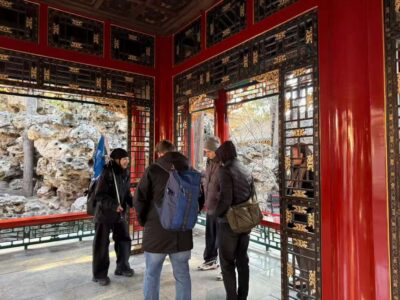
Tianmen Square, Forbidden City & Royal Museum Tours
Read our review →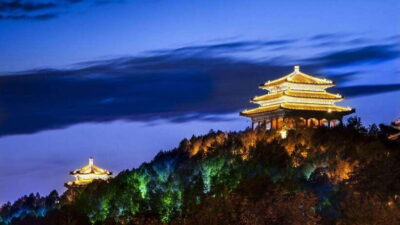
Beijing:Jingshan Park (Palace Museum Garden) Ticket
Read our review →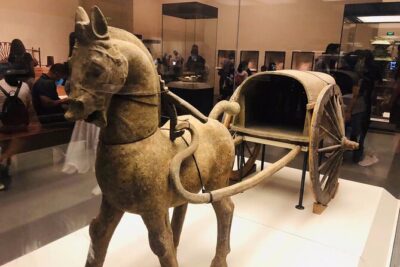
Beijing Half Day: National Museum of China In-depth Tour with Subway Transfer
Read our review →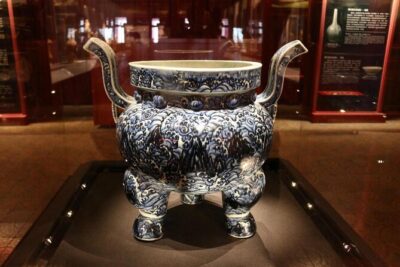
Beijing’s Forbidden City with Special Viewing of Treasure Gallery and the Great Wall Ruins at Badaling
Read our review →
China National Museum Ticket Pre-booking and Tiananmen Square
Read our review →
Lama Temple, Confucius Temple and Guozijian Museum
Read our review →
4-Hour Private Tour: Lama Temple, Confucius Temple, Guozijian Museum with Dim Sum
Read our review →
JingShan park (palace museum garden) entry ticket
Read our review →Browse the lists this tour appears in