
Reviewed · BEIJING
Beijing Royal Dinning Experience with cultural performance
Dinner at a royal courtyard, close to the sights. What I like most is the chronological cultural performance that matches the dishes, and the setting itself, a preserved courtyard just 2 kilometers from the Forbidden City. The one drawback to think about up front is the experience is mostly in Mandarin, so if you want strong narration in English, this may feel less adapted.
You also get a real sense of place, not just a stage show. The courtyard keeps its classic layout, and the views from the upper level include landmarks like the White Pagoda Temple and the Temple of Emperors of All Dynasties. Still, the food style can be unfamiliar to some Western palates, and one review even flagged that the meal was not the highlight.
If you arrive ready for theater, storytelling, and an official-style feast, this can be a memorable evening in Beijing. If you mainly want a show plus a safe, standard Western dinner, you might be happier choosing something more international.
In This Review
- Key things to know before you go
- A Courtyard Feast 2 Kilometers from the Forbidden City
- The Royal Dining Storyline, Dishes, and Chronological Performance
- What the Food Experience Feels Like, Course by Course
- Appetizers
- Main meal: sea cucumber and abalone
- Desserts, tea, and wine
- Lunch at 12:00 vs Dinner at 6:30
- Courtyard Views and Photo Spots From the Upper Level
- Language Reality Check for Foreign Visitors
- Price and Value: Is $99 Worth It?
- Practical Tips to Make the Experience Smooth
- Get there early
- Use the address, not just the map pin
- Plan for a formal pace
- Consider what you like in “storytelling”
- Should You Book Beijing Royal Dining With Cultural Performance?
- FAQ
- What time does the lunch performance start, and how long is the event?
- What time does the dinner performance start, and how long is the event?
- How early should I arrive before the performance?
- Is the cultural performance included in the ticket?
- What food is included in the meal?
- What language is the cultural performance in?
Key things to know before you go
- Chronological performance synchronized with each course, so the meal feels like part of a timeline
- Royal courtyard setting in the city center, with seasonal courtyard scenery and good photo angles
- Mandarin storytelling is central, and it may not be fully explained in English
- Food focus on official cuisine, including sea cucumber and abalone
- The acting matters, with dedicated performers and well-integrated serving moments
- Arrive early for the correct entrance, since map pins can be misleading
A Courtyard Feast 2 Kilometers from the Forbidden City
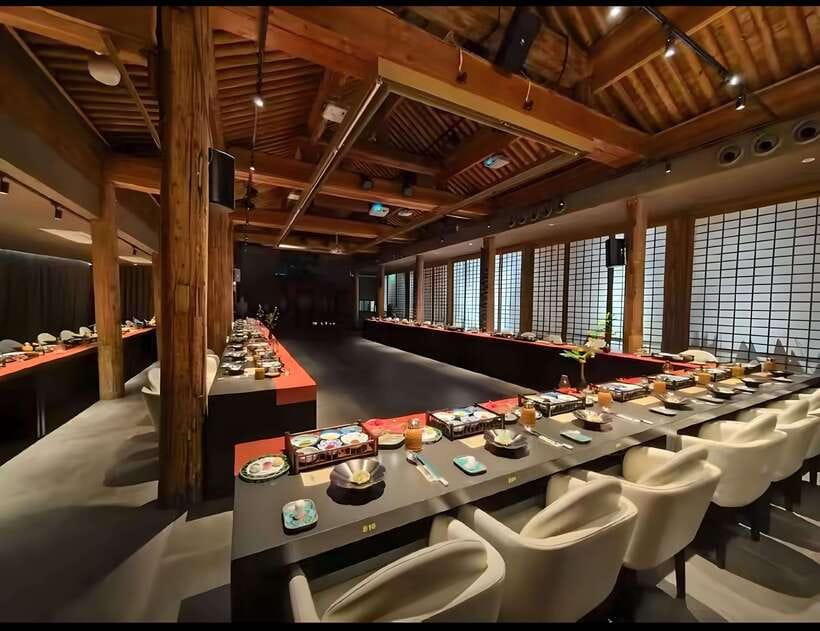
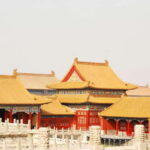
This experience is built around a simple idea: you eat like royalty, but you also watch it happen. The venue sits in a luxurious courtyard that is only 2 kilometers from the Forbidden City, so it feels like you are getting an imperial-adjacent evening without committing to another full day of sightseeing.
What I like here is that the courtyard is not just decorative. It retains a complete courtyard style, which means you can actually feel the space as you move between seating, performance areas, and photo spots. It is the kind of place where you look up and notice architectural details, then look down and notice how the courtyard frames the light.
Do not expect this to be a typical fine-dining restaurant. It is closer to a theatrical dining event where the setting supports the show, not the other way around.
A few more corners of Beijing worth exploring before you go.

The Royal Dining Storyline, Dishes, and Chronological Performance
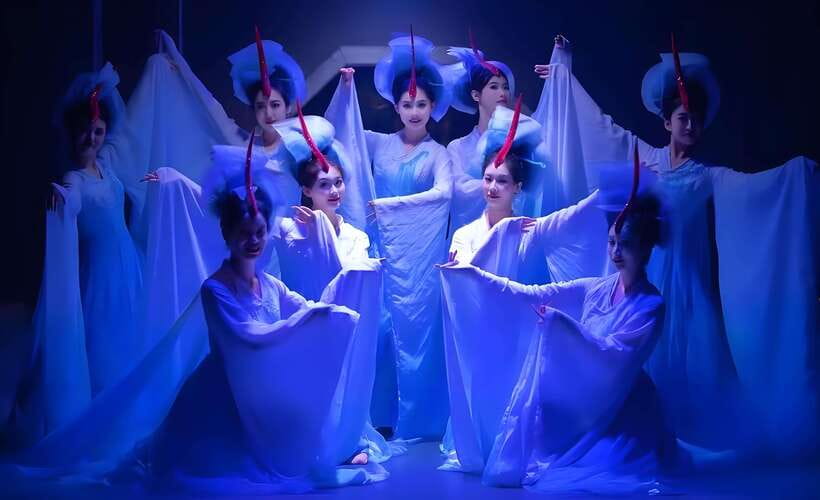
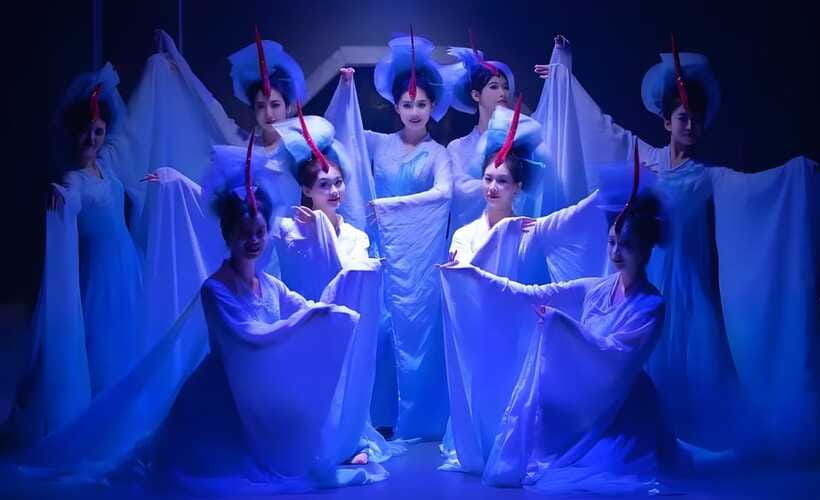
One of the most praised parts is how the performance is organized. The show runs in chronological order, synced to the dishes, and each course has an associated story performance. That means the meal is not just “served with entertainment.” The theater is structured around what you are eating, so the timing and sequence matter.
Here is what that translates to for you in real life. When your first course arrives, you are also in the middle of the story portion. As the meal progresses, the performance keeps pace. If you like cultural experiences that feel tied to daily life, meals, or court customs, this format tends to land well.
The setting adds to this too. The venue was originally connected to Tan Zongjun, a notable figure from the Qing Dynasty era who placed second in the imperial examination, and later the space developed into the birthplace of official cuisine known as Tan’s cuisine. Even if you do not read the background in depth, that origin story helps explain why the food focus leans traditional and why the meal structure feels formal.
Potential downside: if you go in expecting the staff to walk you through each dish in detail in English, you may end up piecing things together from what is happening on stage. One review specifically said they were not told what they would eat, which is worth taking seriously.
What the Food Experience Feels Like, Course by Course
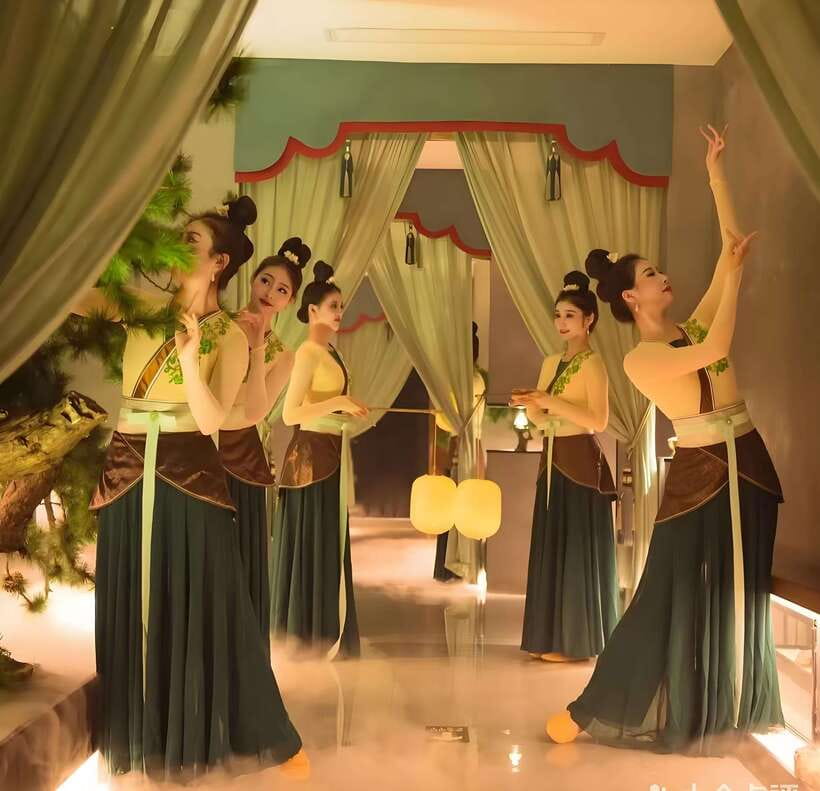
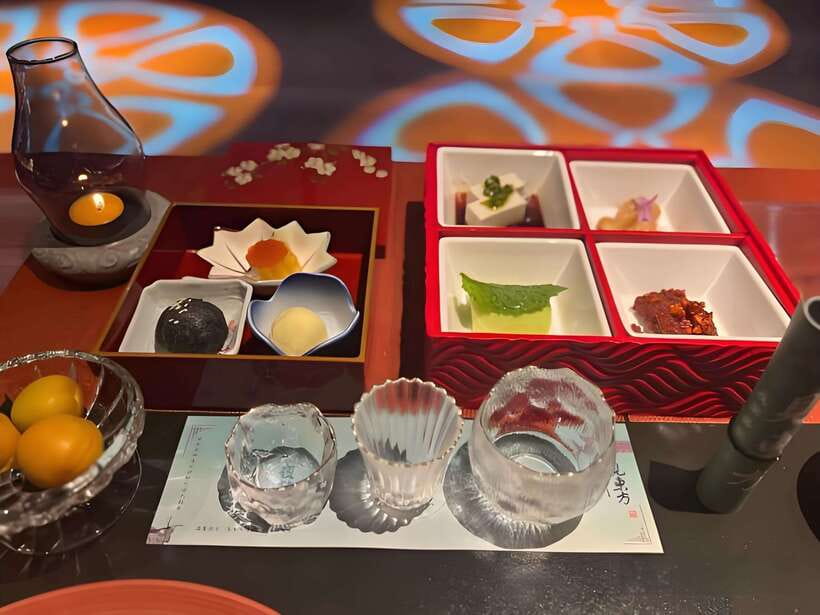
You should plan for a multi-part dining flow, not a single plate and a quick exit. The experience includes appetizers, main meal, desserts, tea, and a meaningful wine. The main meal centers on sea cucumber and abalone, two ingredients that signal official-style Chinese cuisine more than casual comfort food.
Appetizers
Expect the appetizers to arrive while the storytelling begins. This is where the synchronized format can either shine or frustrate, depending on your language comfort. If you can follow the overall vibe even without fully understanding Mandarin, appetizers may feel like an opening act that sets the tone.
Main meal: sea cucumber and abalone
The centerpiece is sea cucumber and abalone. These are rich, traditional choices. For many visitors, they are fascinating because they are not everyday ingredients, and the texture and seasoning style tend to be distinct from Western seafood dishes.
At the same time, a review from Singapore noted that the food is local and authentic, but can be uncommon to Western taste. Translation: you should treat this as a “try it and enjoy it” menu, not a “something familiar is guaranteed” dinner.
Travelers who read this also booked these.
- All-Inclusive Tour: Tiananmen Square, Forbidden City, Great Wall★ 5.0 · 2,873 reviews
- MuBus: Mutianyu Great Wall ENG/ESP/RUS Guided Bus Tour★ 5.0 · 2,361 reviews
- 4-Hour Small Group Tour to Forbidden City with Entry Tickets★ 5.0 · 1,863 reviews
- Beijing: Tiananmen Square Registration Service(Ticket)★ 4.5 · 1,704 reviews
Desserts, tea, and wine
By the time you reach dessert and tea, the experience often feels like it has built to a complete evening. You are not just eating salty courses. You are getting a full sequence that matches the performance pacing.
If you want a sweet finish, plan on it being Chinese-style rather than a Western cake or ice cream situation. Tea is part of the package, and the wine is described as meaningful as part of the ritual tone.
Lunch at 12:00 vs Dinner at 6:30
You get two performance windows: lunch starts at 12:00 PM, and dinner starts at 6:30 PM. The duration is 2 hours, and you are asked to arrive 30 minutes before the start time.
That timing detail matters more than it sounds. Arriving early gives you time to settle, find your place, and get oriented before the first sequence begins. One tip from a UK review also warned that maps may show another location, so getting there early helps you correct course with less stress.
As for which slot to choose, dinner can feel more immersive because many people are already in the “night mode” around the Forbidden City area. Lunch can work well if you want an earlier cultural commitment and then still have the afternoon for wandering.
Courtyard Views and Photo Spots From the Upper Level
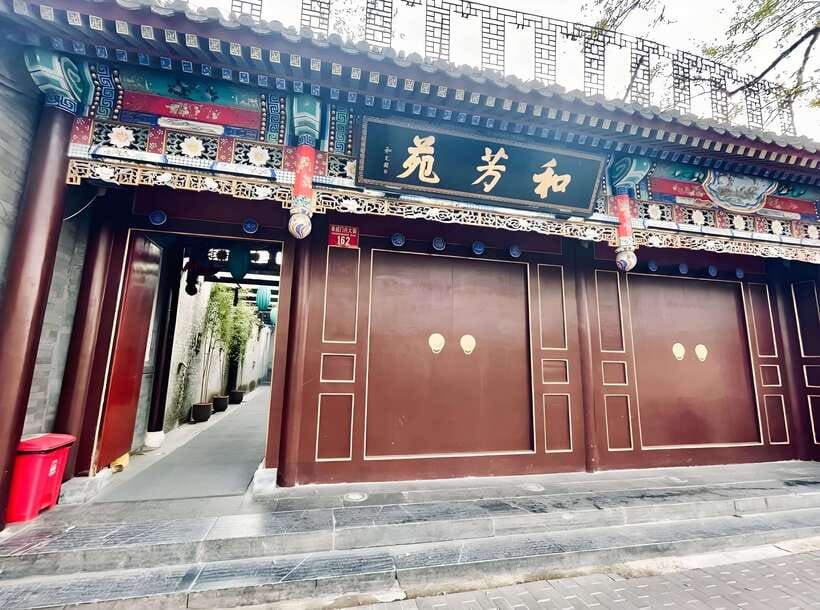
The venue is not only about the meal. It also has visual payoff. Reviews mention that you can see the White Pagoda Temple and the Temple of Emperors of All Dynasties from the top floor.
If you care about photos, this is the part that helps you justify the evening even if the language is a challenge. You can step into the courtyard atmosphere, then look for angles from higher up. The fact that the scenery changes by season is also a real detail. Your photos will not just be “one look,” the courtyard mood shifts with the year.
You also get a classic courtyard environment in the city center. That is useful because Beijing can feel dense and wide depending on where you go. Here, the courtyard gives you a calmer frame.
Language Reality Check for Foreign Visitors
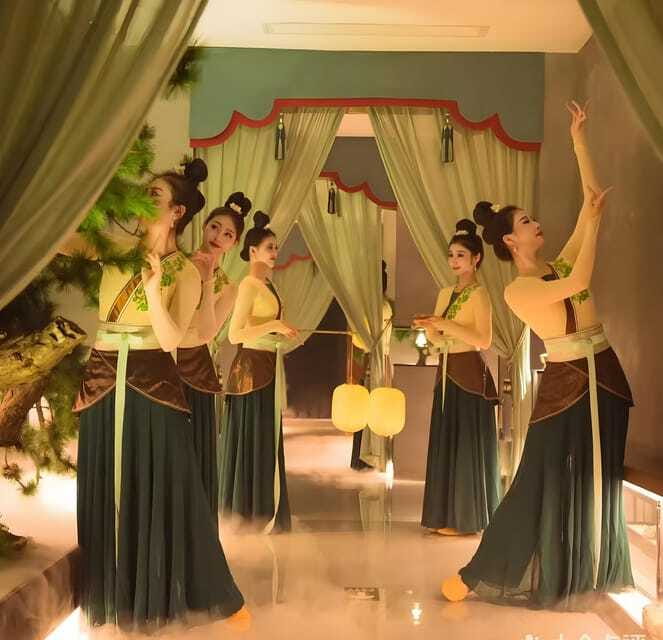
This is the area where you need to set expectations clearly.
The experience includes a cultural performance that is in Mandarin, and multiple reviews raised this point. One review said it was hard to follow because everything was in Chinese. Another said the Mandarin did not hinder the experience too much, likely because the serving and storytelling are integrated visually.
My advice: go in with the right goal. If your goal is to understand every word, this might frustrate you. If your goal is to experience how a ceremonial meal format works, with acting, pacing, and a clear course order, you can still enjoy it even without perfect comprehension.
Also, one review claimed the venue is not adapted for foreigners. I cannot soften that beyond what is given. The safest takeaway is simple: be ready for limited English explanation around what you will eat.
Price and Value: Is $99 Worth It?
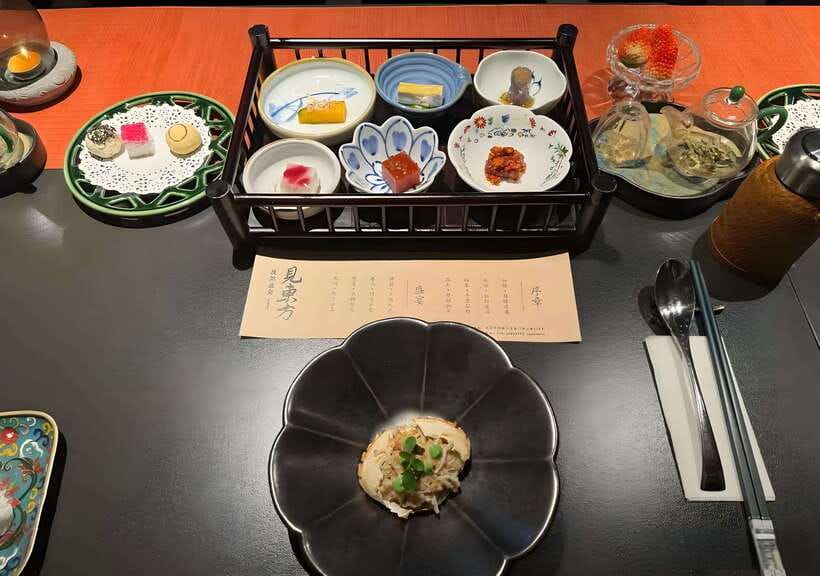
At $99 per person for 2 hours, this is not a budget evening, so you should ask what you are buying.
You are buying four things at once:
- A formal royal dining format
- A structured cultural performance synchronized to the meal
- A preserved courtyard venue with views from higher floors
- A menu built around sea cucumber and abalone
If you were just booking a show ticket, this might sound pricey. But you are also paying for the venue, the course progression, and ingredients that are typically not in everyday restaurant meals. One review rated the performance very highly, especially for the dedication of actors and the integration between serving and storytelling. That suggests the show component is genuinely a big part of the value.
If, however, the most important thing for you is food quality above all else, one review criticized the meal and said it was not great. That is a useful reminder that taste is subjective, even when the cuisine is traditional.
So who is it best for? People who want “one evening, multiple layers,” theater plus meal, and you do not need every dish explained word-for-word.
Practical Tips to Make the Experience Smooth
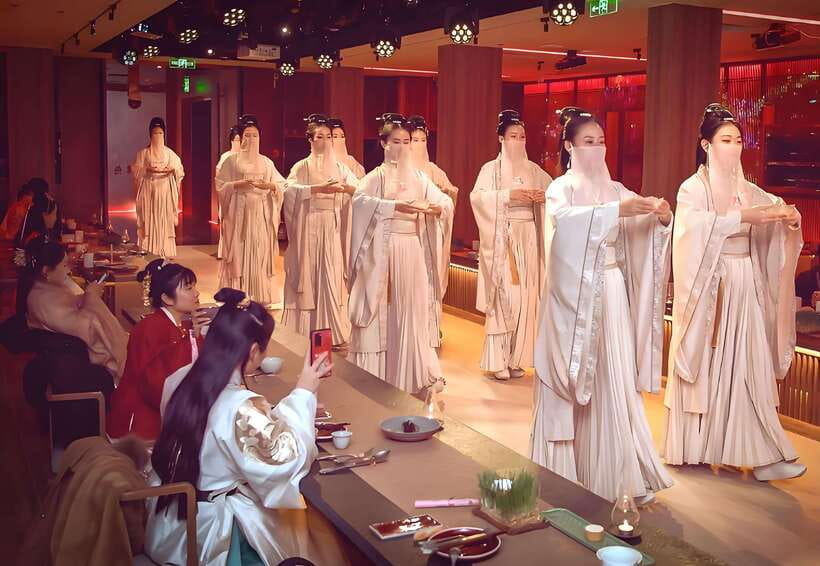
A couple of practical details will help you avoid the most common headaches.
Get there early
You should arrive 30 minutes before either the 12:00 lunch or the 6:30 dinner start. This gives you time to settle before the performance begins.
Use the address, not just the map pin
One review noted that map directions can show a different location. Their fix was practical: open a rideshare app and enter the address provided by the organizers, then follow that route. If you do not do this, you can lose time and end up stressed right before the show starts.
Plan for a formal pace
Because the performance is tied to the courses, you cannot treat this like a casual restaurant where you eat at your own speed. You are part of the schedule.
Consider what you like in “storytelling”
If you enjoy theater, reenactment style performances, or cultural shows that connect to daily life and cuisine, you will likely appreciate the chronological approach. If you prefer independent sightseeing over seated immersion, you may want a different kind of evening.
Should You Book Beijing Royal Dining With Cultural Performance?
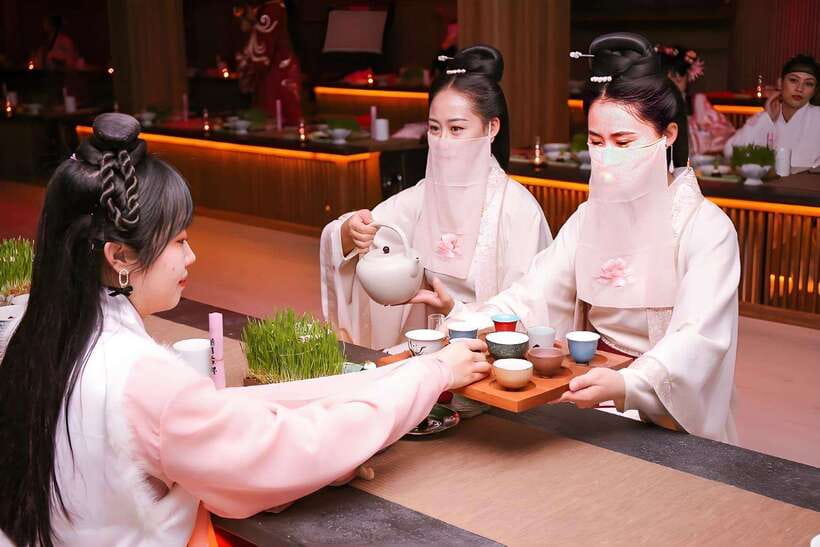
Book it if you want a staged cultural dining experience in a real courtyard setting, especially if you like the idea of courses connected to story. The venue’s closeness to the Forbidden City area is a bonus, and the views from the upper level give you something to enjoy beyond the meal itself. Also, if you are open to Mandarin and can enjoy acting and pacing even with limited comprehension, this tends to work.
Skip it or think twice if you want the meal clearly explained in English, or if you are worried about food quality matching your personal tastes. If you are very picky about unfamiliar textures and flavors, the focus on sea cucumber and abalone plus traditional official cuisine style might feel like a gamble.
If you land somewhere in the middle, treat it as a cultural performance first, with dinner as the centerpiece that makes the show feel ceremonial. That mindset is the one that makes the experience most satisfying.
FAQ
What time does the lunch performance start, and how long is the event?
Lunch starts at 12:00 PM, and the experience lasts 2 hours.
What time does the dinner performance start, and how long is the event?
Dinner starts at 6:30 PM, and the experience lasts 2 hours.
How early should I arrive before the performance?
You should arrive 30 minutes before the performance starts.
Is the cultural performance included in the ticket?
Yes. The cultural performance is included along with the royal dining experience.
What food is included in the meal?
The meal includes appetizers, desserts, tea, a meaningful wine, and a main meal featuring sea cucumber and abalone.
What language is the cultural performance in?
The cultural performance is in Mandarin.
Newly Listed Tours in Beijing
- Beijing Half Day Walking Tour-Tiananmen Square and Forbidden City★ 5.0 · 1 review
- 1-Day Beijing private English speaking guide with driver service★ 5.0 · 1 review
- Flexible Private Layover Beijing Night Sightseeing with English Speaking Driver★ 5.0 · 1 review
- Private Day Trip to Huaibei International Ski Resort and Mutianyu Great Wall★ 5.0 · 1 review
- 2-Day Customizable Beijing Highlight Tour with Airport Transfer Option★ 5.0 · 1 review
- 1-Day Beijing Private tour: Mutianyu Great Wall and Summer Palace★ 5.0 · 1 review
- Private Virtual Tour in Beijing★ 4.0 · 1 review
- 1-Way Private Transfer Service between Tianjin cruise Port and Beijing hotels★ 5.0 · 1 review