
Reviewed · TRAIN EXPERIENCES
Beijing:Bullet Train Tour to Hanging Temple&Yungang Grottoes
Cliff-hung temples sound made up. This tour makes it real with smooth bullet-train logistics and a strong guide-led story that ties Datong’s landmarks together. I love that you’re not just dropped off at sights, you get context for why the Hanging Temple matters and how the Yungang Grottoes connect to Buddhist art. The main thing to consider is the long day door to door, plus some parts of the Hanging Temple involve real height exposure.
I also like the calm, organized handoff at both stations. Your Beijing driver meets you at your hotel lobby, helps you get to the right waiting room, and checks that your tickets are in order before you ride for about two hours to Datong. On the other end, a Datong guide greets you and keeps the day moving so you can focus on the sights instead of transit puzzles.
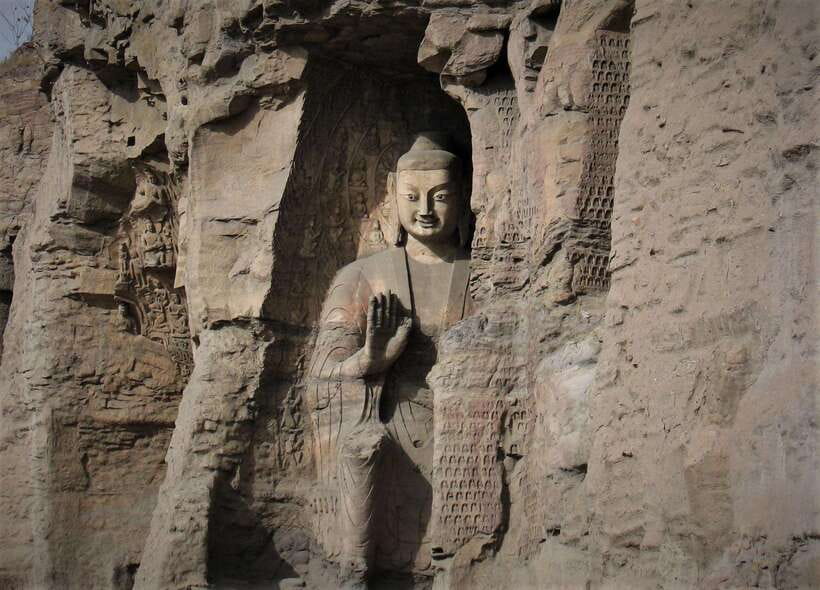
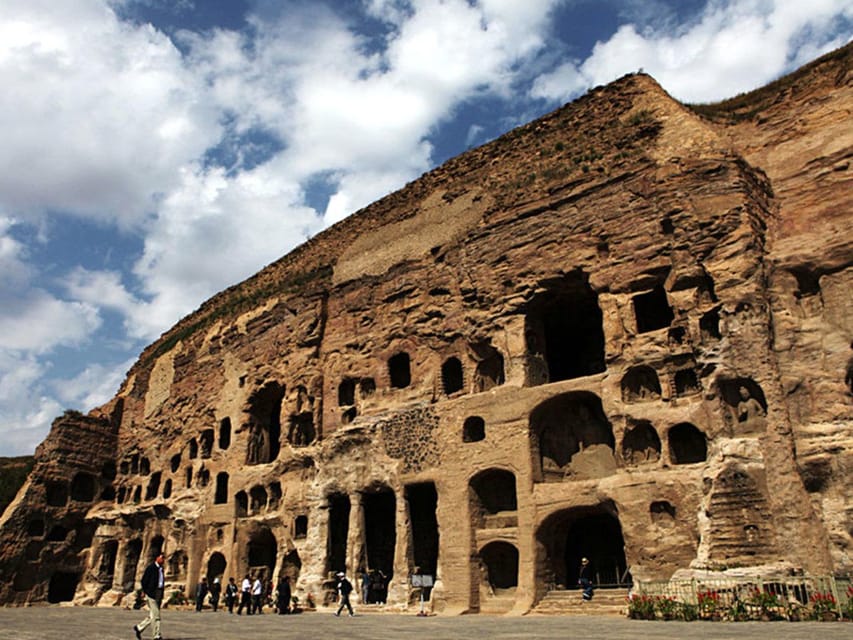
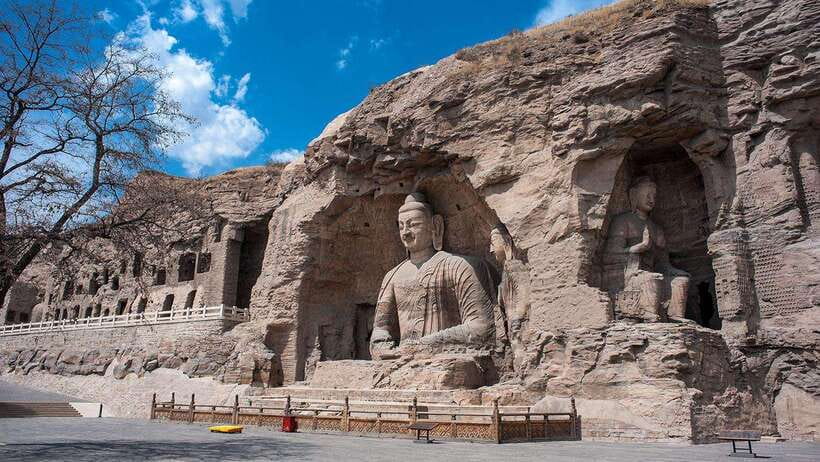
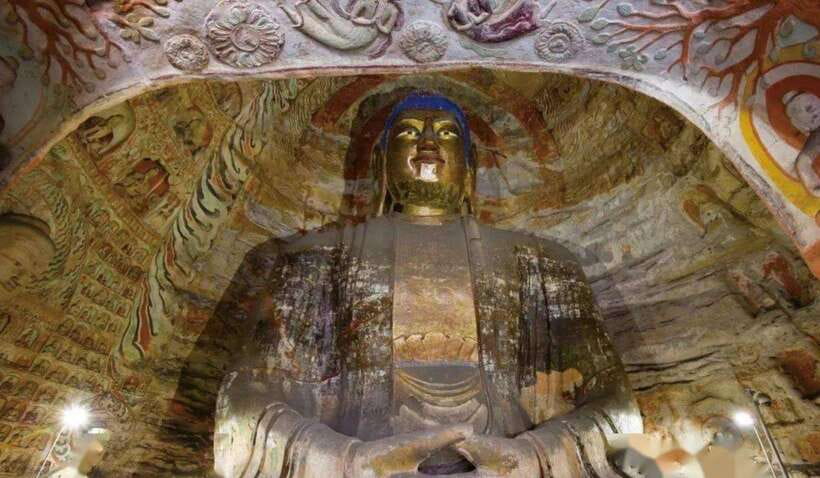
The second half of the day is where the wow factor really stacks up. At Yungang Grottoes, you’re looking at 252 caves and 51,000 statues, and the guide explains how this site reflects the mix of Buddhist artistic traditions under imperial patronage starting in the 5th century. Food isn’t listed as included, so plan for a meal stop that works with the schedule, even if you hear praise for the day’s eating on some departures.
In This Review
- Key things I’d put on your radar
- The value question: what you really get for $348
- How the day actually flows, from your hotel to the cliff
- Beijing pickup and train-station support
- The Datong bullet train ride
- Local guide greeting on arrival
- Hanging Temple: what makes it special, and where to slow down
- The big idea: three traditions in one place
- Why the guide commentary matters here
- Photo time without turning into chaos
- The one drawback you should take seriously
- Yungang Grottoes: the scale lesson you can feel
- UNESCO status and the sheer numbers
- The art-history angle that makes it more than statues
- What you’ll probably do during the visit
- The return to Beijing, and how to avoid the post-tour crash
- Guides, language, and why private groups feel calmer
- Logistics and comfort: what to plan before you go
- Timing and total day length
- What to bring
- Train-ticket deposit detail you should verify
- Food planning
- Who this tour is perfect for, and who should skip it
- Should you book Beijing to Datong by bullet train for Hanging Temple and Yungang?
- FAQ
- How long is the Beijing to Datong tour?
- What sites will you visit in Datong?
- Is hotel pickup and drop-off included?
- Are entrance fees included?
- Are the bullet train tickets included?
- What languages are available for the guide?
- What should I bring on the day?
Key things I’d put on your radar
- Door-to-door private transfers keep you from wasting time at stations
- Hanging Temple across three belief traditions (Taoist, Confucian, Buddhist)
- UNESCO grit and scale at Yungang with 252 caves and 51,000 statues
- Guide commentary built for photos not just facts
- Practical ticket support including advance train ticket handling and verification
The value question: what you really get for $348
At $348 per person for a roughly 10-hour day (often running 10 to 13 hours door to door), this isn’t a bargain. But you’re also buying convenience and access that add up fast if you try to DIY it.
What stands out in the value math is that your package wraps together several costly or time-consuming pieces:
- Round trip bullet train tickets between Beijing and Datong
- Hotel pickup and drop-off with a private vehicle
- A professional, live guide (Chinese and English)
- Entrance fees
- Bottled water
When these are combined, the price starts to make sense, especially if you’re visiting as a first timer and don’t want to wrestle with station logistics or ticket rules. You’re also getting a private-group feel, which usually means you can move at a pace that works for your group and interests, rather than getting stuck in a rigid rush.
My “buyer beware” note is not about the sites, it’s about the day shape. This is still a long, full-day outing. If you’re the type who likes slow mornings and multiple breaks, you may find the schedule tight. And because the Hanging Temple includes cliffside positioning, it’s worth thinking about comfort with heights before you book.
Beijing tours travelers are booking next

How the day actually flows, from your hotel to the cliff
This tour is designed like a relay race with professionals passing the baton at each stage.
Beijing pickup and train-station support
You start with hotel pickup in Beijing. The driver meets you in the lobby holding a sign with your name. From there, the goal is simple: get you to the correct train area smoothly. Your driver accompanies you through to the right waiting room and makes sure everything needed for the trip is correct.
This matters more than it sounds. When you’re dealing with a busy station, small mistakes can turn into big delays. Here, you skip much of that stress and get to focus on being ready for the ride.
The Datong bullet train ride
You’ll take the bullet train to Datong, about two hours. During this segment, you’re traveling on your own inside the train ride, but you’re not doing station admin. That’s a key difference from many “DIY with a guide” formats.
One practical advantage: you can use the train time to settle in, look up key names in your phone, and charge devices for the photo moments later.
Local guide greeting on arrival
Once you arrive in Datong, a local guide meets you at the station. The guide then reviews the itinerary so you know what’s next and what the order of stops will be. From there, you head straight to the day’s first major stop: Hanging Temple.
This sequencing is smart. Doing Hanging Temple earlier reduces the odds you’ll feel rushed from travel fatigue when you’re trying to concentrate on stories and photos.
Travelers who read this also booked these.
- From Beijing: Mutianyu Great Wall Tours with Options★ 4.9 · 9,216 reviews
- Beijing: Forbidden City Tour(Group/Private)-Tickets Included★ 4.8 · 7,974 reviews
- Beijing: T-Square & Forbidden City Group or Private Tour★ 4.8 · 4,446 reviews
- All-Inclusive Tour: Tiananmen Square, Forbidden City, Great Wall★ 5.0 · 2,873 reviews
Hanging Temple: what makes it special, and where to slow down
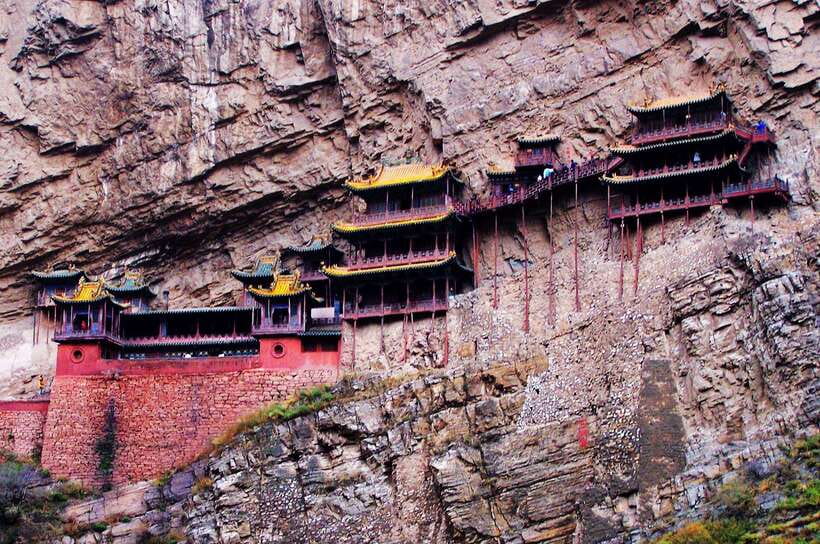
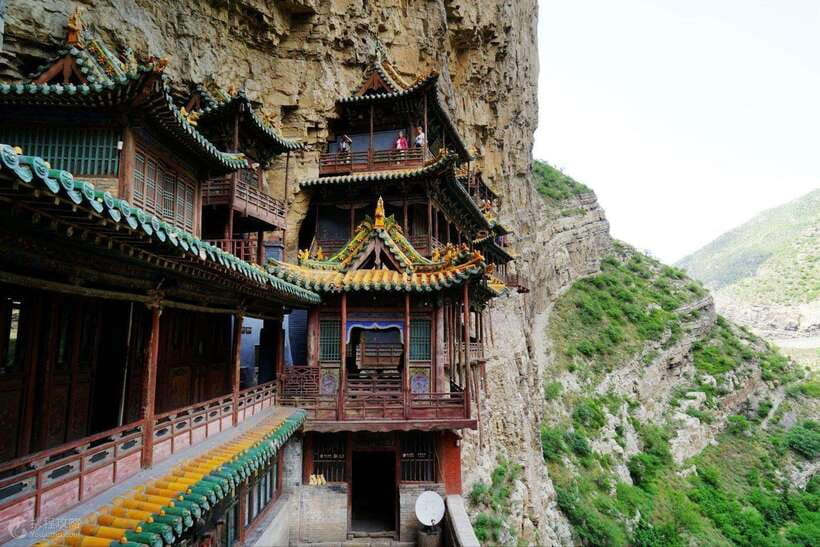
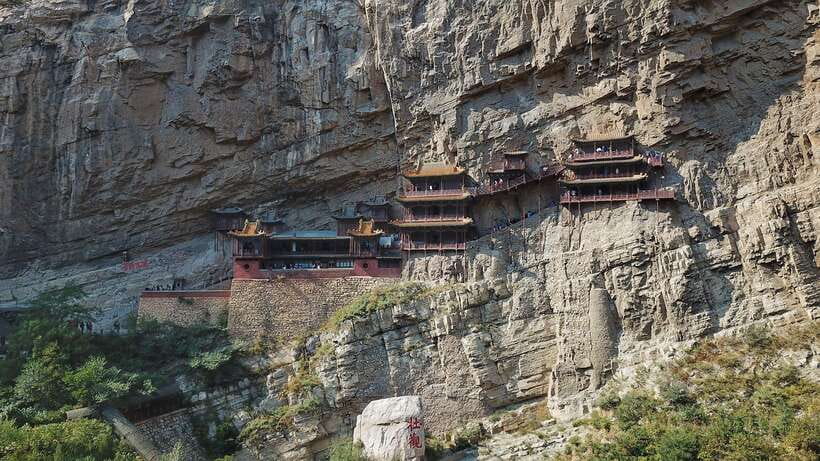
The Hanging Temple is a rare thing: a temple built in 491 AD that still feels like an architectural dare. It hangs on the west cliff of Jinxia Gorge, more than 50 meters above the ground, which is why people remember it even after they forget the bus number.
The big idea: three traditions in one place
One of the most interesting facts the guide will bring to life is that this is the only existing temple that historically hosts worship for Taoists, Confucians, and Buddhists. That mix gives the site more than visual drama. It’s also a window into how belief and culture could share space and meaning.
Why the guide commentary matters here
Hanging Temple gets a lot of attention for views and angles. But what makes the tour worthwhile is the guide-led explanation of how the temple earned its description of peril, workmanship, and miracle.
In plain terms, you’re not only walking through a scenic spot. You’re learning why the builders pulled off what they did, and what visitors were supposed to experience through the scale, the placement, and the details.
Photo time without turning into chaos
You’ll have time to explore and take pictures, and the commentary is meant to support your viewing. That’s useful because the best photos often come from knowing where to look first, what angles show the cliffside positioning, and which parts are worth lingering over.
The one drawback you should take seriously
If heights make you uneasy, don’t ignore that. One of the best tips you can take from the experience as described is that a guide can help you stay safe and comfortable on the temple sections. Still, the environment is real. The paths and the views are part of the point, so go slowly, keep your footing steady, and don’t force extra stops for perfect shots if you feel stressed.
Yungang Grottoes: the scale lesson you can feel
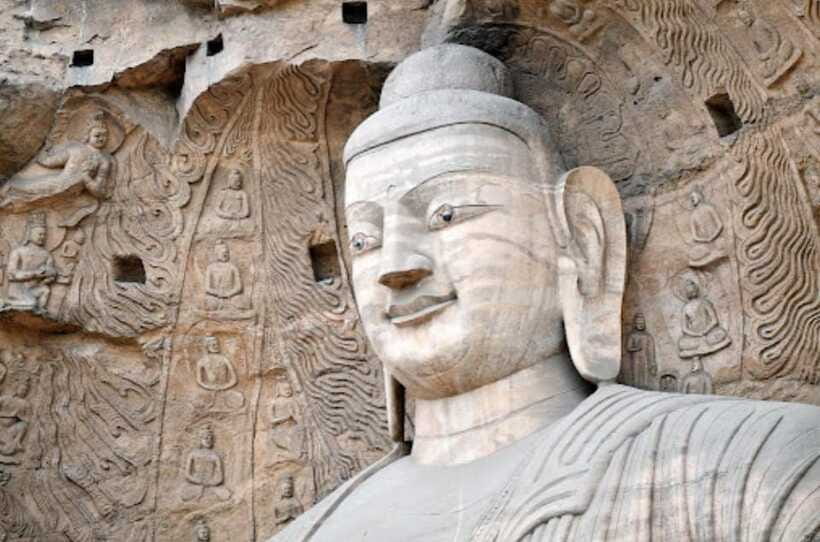
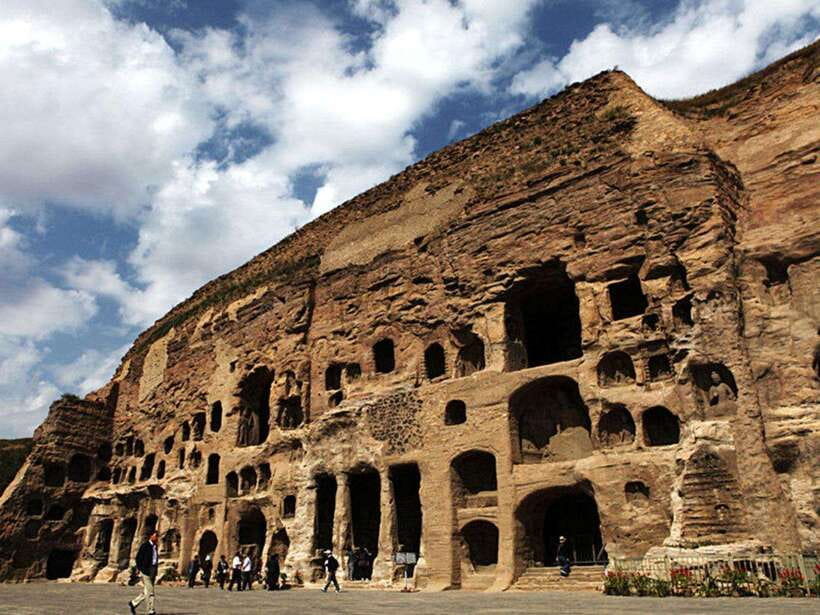
After Hanging Temple, you travel about 1.5 hours by drive to Yungang Grottoes. This is the other half of Datong that turns a day trip into a culture fix.
UNESCO status and the sheer numbers
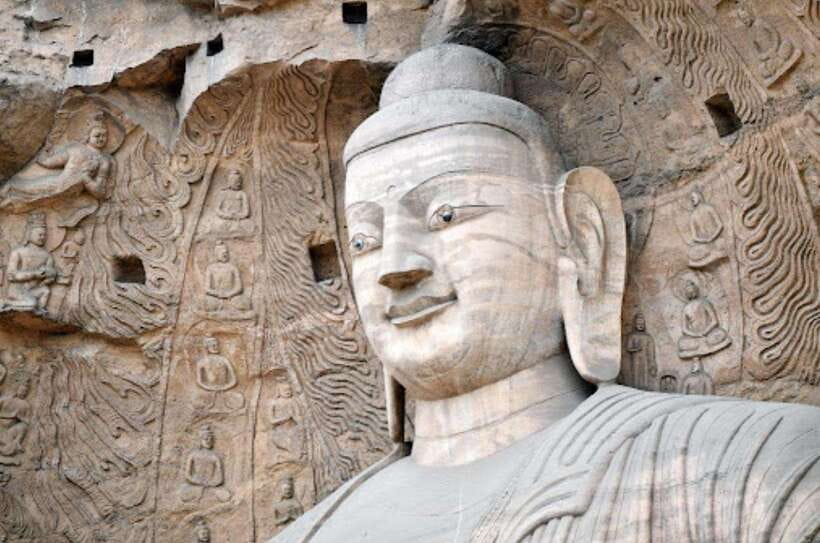
Yungang Grottoes are UNESCO World Cultural Heritage, and they’re often described as one of the three largest clusters alongside Mogao Grottoes and Longmen Grottoes.
What you should know before you go is scale:
- 252 caves
- 51,000 statues
Those numbers sound like a poster fact until you’re there and realize it means the site wasn’t built as one-time decoration. It represents a long-running tradition of carving, preserving, and renewing Buddhist visual culture.
The art-history angle that makes it more than statues
The guide focus here is the fusion of influences. Yungang Grottoes reflect the successful blending of Buddhist symbolic art from south and central Asia with Chinese cultural traditions, beginning in the 5th century CE under imperial auspices.
That fusion is the reason the grottoes feel different from a single-style museum. You’re seeing how ideas traveled, adapted, and became Chinese in form while still carrying international religious iconography.
What you’ll probably do during the visit
Expect guided exploration of the caves and key carved areas, with time to look carefully. The tour is structured so you can learn what you’re seeing without losing the sense of awe that comes from the site itself.
And yes, this stop is a photographer’s dream, but it helps to take photos after the guide explains what you’re looking at. You’ll come away with better images because you understand what’s important.
The return to Beijing, and how to avoid the post-tour crash
After the grottoes, you’ll be transferred back to Datong railway station and ride the bullet train back to Beijing. When you arrive in Beijing, the driver picks you up and brings you back to your hotel.
Two practical tips for the ride home:
- Keep your buffer energy. This day is long. If you drink lots of caffeine earlier, you may feel wiped out by late afternoon.
- Download anything you need now. Once you’re back on the train, you’ll likely want to relax rather than hunt for explanations.
When the logistics are handled for you like this, the end of the day feels simple, which is exactly what you want when you’re coming back from a full itinerary.
Guides, language, and why private groups feel calmer
This tour is described as a private group, with a live guide available in Chinese and English. That matters because you’re not just paying for translation. You’re paying for interpretation that helps you connect the sites into one story.
Some departures get standout guide names like Ana and Emma, and the consistent theme is that they explain both history and practical safety, especially around the Hanging Temple. When a guide is good at tying the story to what you’re seeing in front of you, the day feels less like checklists and more like understanding.
If you like history but get bored by lectures, this is a nice fit. The pace is built around walking and viewing, while the commentary fills in what you might otherwise miss.
Logistics and comfort: what to plan before you go
Timing and total day length
The stated duration is 10 hours, but the day tour can run 10 to 13 hours including door-to-door transfer. Treat it like an all-day outing.
What to bring
You’ll need a passport or ID card.
Also note the ticket rule: a photocopy of everyone’s passport is required to purchase train tickets. In practice, you’ll want to scan everything early so you don’t scramble at the last minute.
Train-ticket deposit detail you should verify
There is a deposit requirement mentioned in two different places, with figures listed as $50 and also $100 per person. The deposit is said to be refundable during the tour day, but if you cancel after train tickets are purchased, the deposit refund won’t apply.
Before you book, double-check the exact deposit amount and the cutoffs that apply to your booking confirmation. That one step can prevent unpleasant surprises.
Food planning
Food is listed as not included. In that case, you should plan for a meal break even if a departure includes a lunch option. Pack a small snack if you’re the type who gets cranky when hungry. A bottled water is included, which helps, but it’s not a substitute for a real meal.
Who this tour is perfect for, and who should skip it
This tour fits best if you:
- Want a first-time-friendly introduction to northern China culture in a single day
- Like guided context more than just sightseeing
- Value convenience, especially train and station logistics
- Want photo time at two major UNESCO highlights without planning between them
You might want to skip or modify your plan if you:
- Know you struggle with heights and cliffside environments
- Dislike long days or hate tight schedules
- Prefer fully independent travel where you can choose meal timing and pacing minute by minute
Should you book Beijing to Datong by bullet train for Hanging Temple and Yungang?
If you want maximum cultural return with minimum hassle, I’d say this is a strong booking. The combination of train tickets, entrances, private transfers, and professional guiding is what turns the trip from possible into easy.
My decision rule is simple:
- Book it if you want an organized day that still feels human at each site.
- Think twice if you feel uneasy with height exposure at Hanging Temple, or if you expect this to be a short, low-effort outing.
If you’re okay with a long day and you choose comfortable footing and a calm pace on the cliffside sections, you’ll leave with two of Datong’s best-known treasures, explained in a way that makes them stick.
FAQ
How long is the Beijing to Datong tour?
The tour is listed as 10 hours, and it is described as about 10 to 13 hours door to door including transfers.
What sites will you visit in Datong?
You will visit the Hanging Temple and Yungang Grottoes.
Is hotel pickup and drop-off included?
Yes. Your driver picks you up from your Beijing hotel and later returns you to your hotel after the trip.
Are entrance fees included?
Yes. Entrance fees are included for the stops on the tour.
Are the bullet train tickets included?
Yes. Round trip bullet train tickets are included, and a deposit is required to secure the tickets. You also need a photocopy of each person’s passport to purchase the train tickets.
What languages are available for the guide?
The live tour guide is available in Chinese and English.
What should I bring on the day?
Bring your passport or ID card. Also, follow the instructions about providing a photocopy of the passport for ticket purchase.
Newly Listed Tours in Beijing
- Beijing Half Day Walking Tour-Tiananmen Square and Forbidden City★ 5.0 · 1 review
- 1-Day Beijing private English speaking guide with driver service★ 5.0 · 1 review
- Flexible Private Layover Beijing Night Sightseeing with English Speaking Driver★ 5.0 · 1 review
- Private Day Trip to Huaibei International Ski Resort and Mutianyu Great Wall★ 5.0 · 1 review
- 2-Day Customizable Beijing Highlight Tour with Airport Transfer Option★ 5.0 · 1 review
- 1-Day Beijing Private tour: Mutianyu Great Wall and Summer Palace★ 5.0 · 1 review
- Private Virtual Tour in Beijing★ 4.0 · 1 review
- 1-Way Private Transfer Service between Tianjin cruise Port and Beijing hotels★ 5.0 · 1 review
Train Experiences, compared.
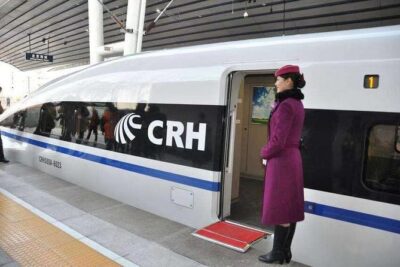
Beijing to Xi’an See Terracotta Warriors with Bullet Train Round Trip Transfer
Read our review →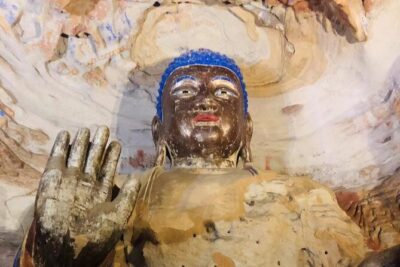
Beijing to Datong See YunGang Cave, Hanging Temple (Bullet Train)
Read our review →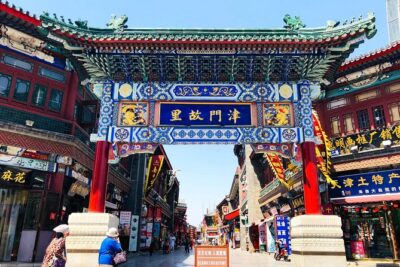
Private Day Trip to Tianjin from Beijing by Bullet Train
Read our review →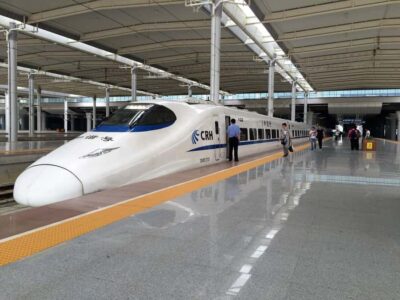
Beijing to Xi’an Terracotta Tour by Roundtrip Bullet Train
Read our review →
Beijing to Shanghai Bullet Train Ticket with South Railway Station Transfer
Read our review →
to Xi’an Terracotta Day Tour by Roundtrip Bullet Train
Read our review →
5 Days Beijing and Xian Tour by bullet train
Read our review →
Great Wall Origins: Beijing Bullet Train to Qinghuangdao Private Day Trip
Read our review →Browse the lists this tour appears in