Reviewed · PRIVATE
Beijing:Customizable Temple and Religious Sites Private Tour
Sacred sites, minus the crowd crush. This private Beijing tour is built for flexible time and real religious architecture, hopping between Buddhism, Taoism, Islam, Christianity, and Confucianism without trying to cram everything into one frantic day.
I especially like that you pick the mix of temples and churches for your chosen 4 to 7 hour window, so the day fits your interests. Another big plus is the guide style, with English explanations that go beyond facts and into how rituals and symbols make sense. One thing to keep in mind is simple, some sites close on specific days, and prayer times at Niujie Mosque can affect access.
In This Review
- Quick takeaways
- A private Beijing mix of faiths, done on your schedule
- Pick 4 to 7 hours, then choose the right combination
- How the guide experience changes the day
- Lama Temple: golden tiles, carved wood, and the sandalwood Buddha
- Temple of Heaven: Taoist worship built on imperial geometry
- White Cloud Temple (Baiyunguan): 1,300 years of Taoist presence
- Niujie Mosque: where a 10th-century faith meets Chinese courtyard design
- Xuanwumen Church, St. Joseph’s: Gothic Revival in a Chinese setting
- Confucius Temple: exam stone tablets and civil-service memory
- Getting around, tickets, and why the pace feels calmer
- Price and value: why $77 can be a good deal
- Who this tour suits best
- Should you book this private Beijing faith-and-temple tour?
- FAQ
- How long is the tour?
- Can I choose which sites to visit?
- Is Temple of Heaven open every day?
- Is Confucius Temple open every day?
- Is Niujie Mosque always fully accessible?
- Is this a private tour and is the guide in English?
- Are entry tickets included?
- Does the tour include transportation?
- Where will I meet the guide?
Quick takeaways
- Full customization in 4 to 7 hours, with a route built around the sites you choose
- Skip the ticket line, plus entry tickets are included for the selected stops
- English live guide, with explanations that connect the sites to history and everyday beliefs
- Smart day planning, Temple of Heaven and Confucius Temple are closed on Mondays
- Multiple faiths in one outing, including Lama Temple, Taoist shrines, Niujie Mosque, and a Gothic Revival Catholic church
- Hotel pickup with a name sign, and a private setup for a calmer pace
A private Beijing mix of faiths, done on your schedule
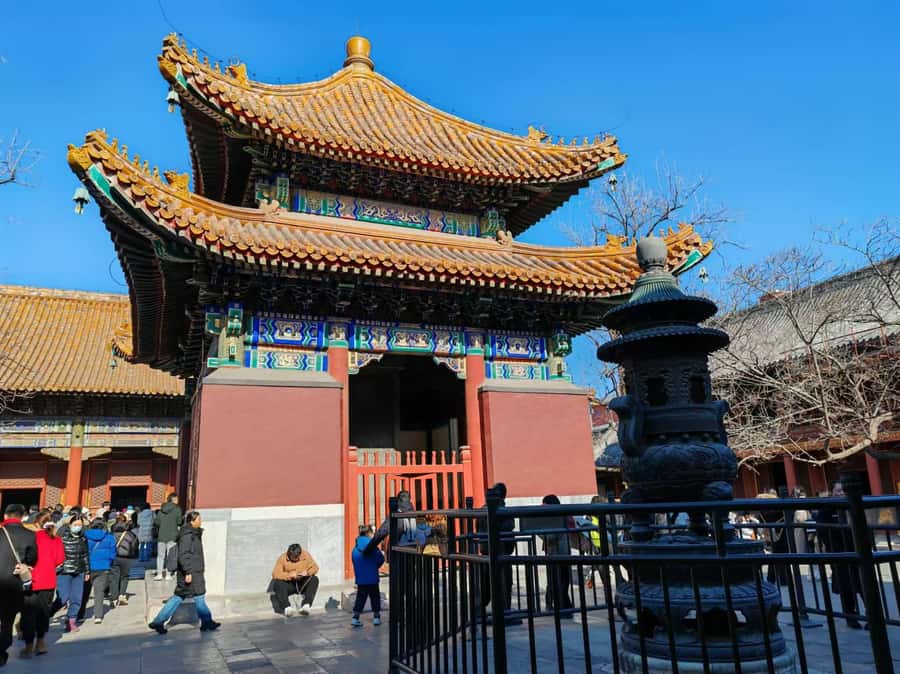
Beijing is a “many worlds in one city” kind of place. One block you’re staring at imperial-style geometry and ritual halls, and the next you’re in a courtyard where different traditions share space and shape. The value of this tour is that you can follow your curiosity instead of being herded into a fixed route.
You choose your preferred sites, then the guide shapes the plan around your time window. Want more time on Buddhist art and statues? Lean Buddhist. Prefer Taoist architecture and altar symbolism? Build around that. You also get the benefit of a private group, which means you can ask questions, pause for photos, and adjust pacing when a site feels more interesting than expected.
The other reason this works is that it respects how religion shows up in daily life here. You are not just looking at buildings. Your guide explains what people were doing there, what the spaces are designed for, and why certain details matter.
Beijing tours travelers are booking next
Pick 4 to 7 hours, then choose the right combination
One of the most practical things about this experience is the time control. You book a 4 to 8 hour style range, and you choose the sites for that span. That’s important because it’s not logistically realistic to see every featured location in a single day.
You’ll also want to plan around closures and timing:
- Temple of Heaven is closed on Mondays
- Confucius Temple is closed on Mondays
- Niujie Mosque is generally open, but prayer times may restrict some areas
- Everything else is listed as open daily (based on the activity details)
So if you’re traveling on a Monday, you’ll likely swap in sites that are open that day, then concentrate on Taoist, Buddhist, or Islamic stops instead. The guide helps you make those choices without turning it into math homework.
How the guide experience changes the day
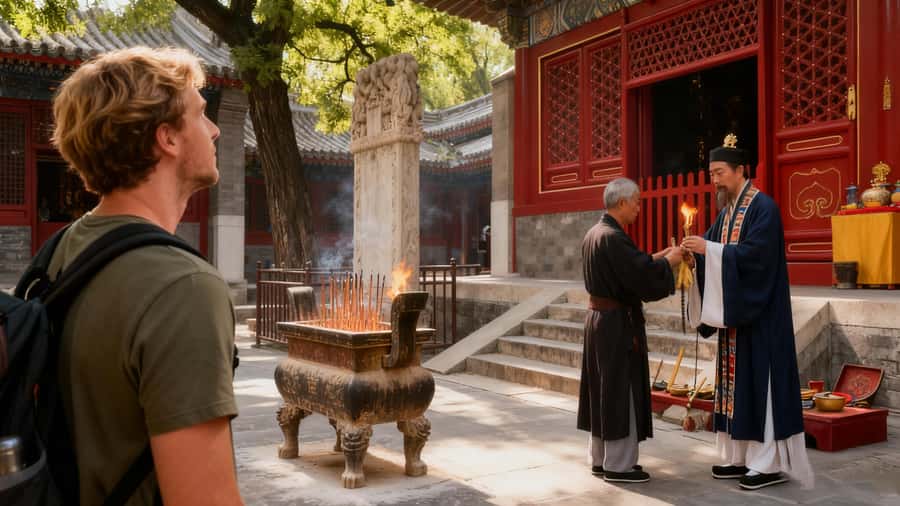
This is where you feel the difference most. The strongest praise I see is for guide communication, patience, and organization. People point to guides like Lucy, Ms. Duan, Alice Ji, and Susan Shan, all with a similar theme: clear English, a calm pace, and history explanations that don’t feel like a lecture.
A couple of real details that matter for your comfort:
- A guide with a history background can connect architecture to ideas, not just dates. Ms. Duan, for example, is described as linking Chinese history to what you see, plus explaining different Buddhist figures at Lama Temple.
- Practical navigation support is sometimes included. One guide prepared extra maps and even helped with using the Beijing subway route, which is useful if you choose a package without private car transport.
- Clear pronunciation and well-paced answers come up repeatedly, including with Alice Ji and others.
So think of this tour less like a checklist and more like a translator for the spaces. You start to recognize patterns: why gates look the way they do, why certain halls have the layout they do, and why believers treat specific objects as meaningful.
Lama Temple: golden tiles, carved wood, and the sandalwood Buddha
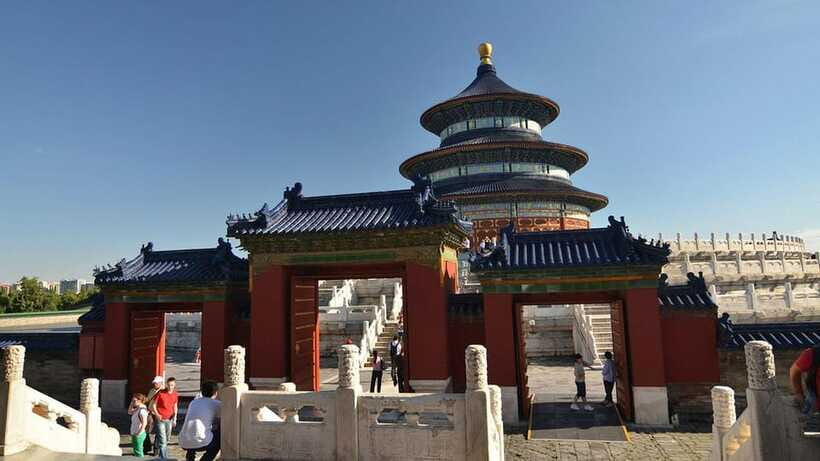
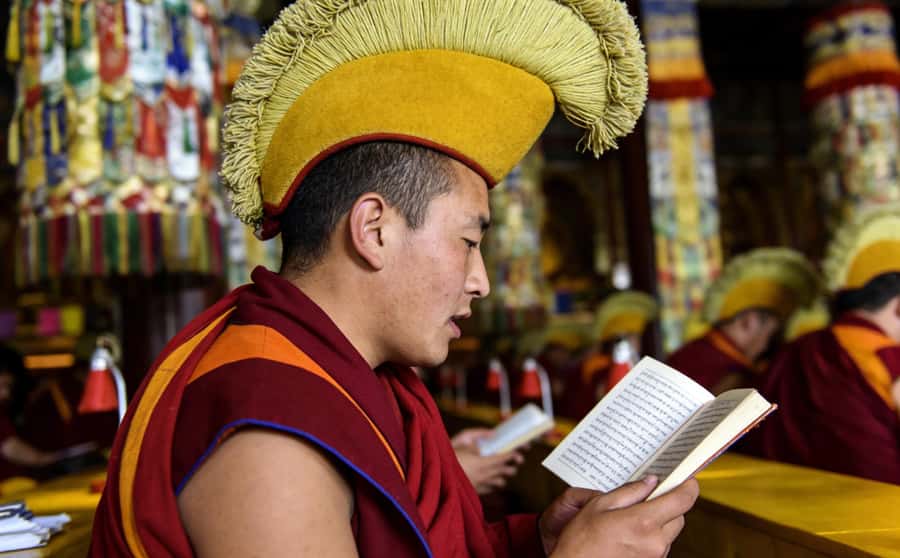
If you only pick one “big ticket” spiritual site, Lama Temple is usually the place to anchor your day. It was once an imperial mansion, then became Beijing’s most prominent Buddhist temple and a key center of Tibetan Buddhism in northern China.
What you’ll notice right away is the visual richness that still feels tied to belief. Expect golden roof tiles, intricate wood carvings, and a massive focal statue. The highlight is the 18-meter-tall sandalwood Buddha statue, described as one of the largest in Asia.
Why this stop is worth your time:
- You get an art-and-ritual experience, not just a view.
- Tibetan Buddhist iconography can feel confusing if you don’t know what you’re looking at, and this is where a strong guide helps you see what different forms represent.
- The scale changes your sense of the space. That Buddha presence is hard to imagine until you’re there.
Practical consideration: Lama Temple can involve a lot of walking between halls and viewing areas. If you want a slower pace, tell your guide early so the route timing matches your energy level.
Temple of Heaven: Taoist worship built on imperial geometry
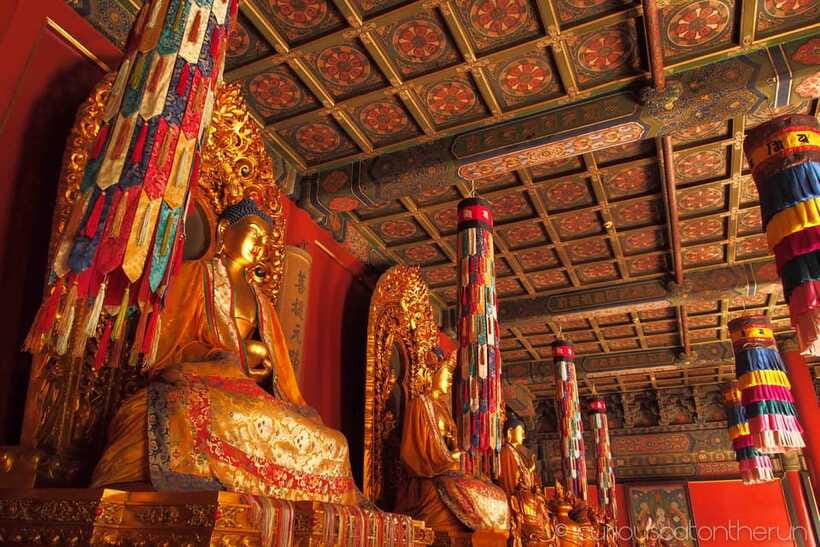
Temple of Heaven is China’s most renowned Taoist complex tied to imperial worship. Built for emperors to pray for good harvests, it’s a UNESCO World Heritage Site and a masterclass in how architecture can express an idea.
Two signature elements are the Circular Mound Altar and the Hall of Prayer for Good Harvests. Together, they embody the old “heaven and earth” concept in stone and space.
Why this stop clicks for many people:
- You start seeing symbolism in the layout. It’s not random.
- The guide can explain why the halls and altar positions matter for ritual.
- The architecture gives you a clear photo path even when you’re just browsing for understanding.
Logistics to remember: it’s closed on Mondays. If your dates include Monday, you’ll want to shift your Taoist interest to the White Cloud Temple instead, or build your day around other sites open that day.
Travelers who read this also booked these.
- From Beijing: Mutianyu Great Wall Tours with Options★ 4.9 · 9,216 reviews
- All-Inclusive Tour: Tiananmen Square, Forbidden City, Great Wall★ 5.0 · 2,873 reviews
- MuBus: Mutianyu Great Wall ENG/ESP/RUS Guided Bus Tour★ 5.0 · 2,361 reviews
- 4-Hour Small Group Tour to Forbidden City with Entry Tickets★ 5.0 · 1,863 reviews
White Cloud Temple (Baiyunguan): 1,300 years of Taoist presence
White Cloud Temple is one of the oldest and most influential Taoist temples in Beijing, described as the First Taoist Temple Under Heaven. It’s about 1,300 years old and is known for preserving intact rituals and ancient scriptures.
This stop can feel calmer than some of the more famous nameplate sites, mainly because it often reads like a working sacred place rather than an attraction. Expect serene courtyards lined with cypress trees, plus the feeling that the place has been cared for over centuries.
What makes it special on a private tour:
- A good guide can explain the meaning behind rituals and what you see in the halls and preserved elements.
- Taoism can be tough to read at first. When someone translates the symbolism for you, the temple becomes easier to understand.
- You can spend time where you want, instead of racing through.
Practical consideration: If you’re combining multiple faith sites, this is a great “reset stop” where you can slow down after heavier crowds at other locations.
Niujie Mosque: where a 10th-century faith meets Chinese courtyard design
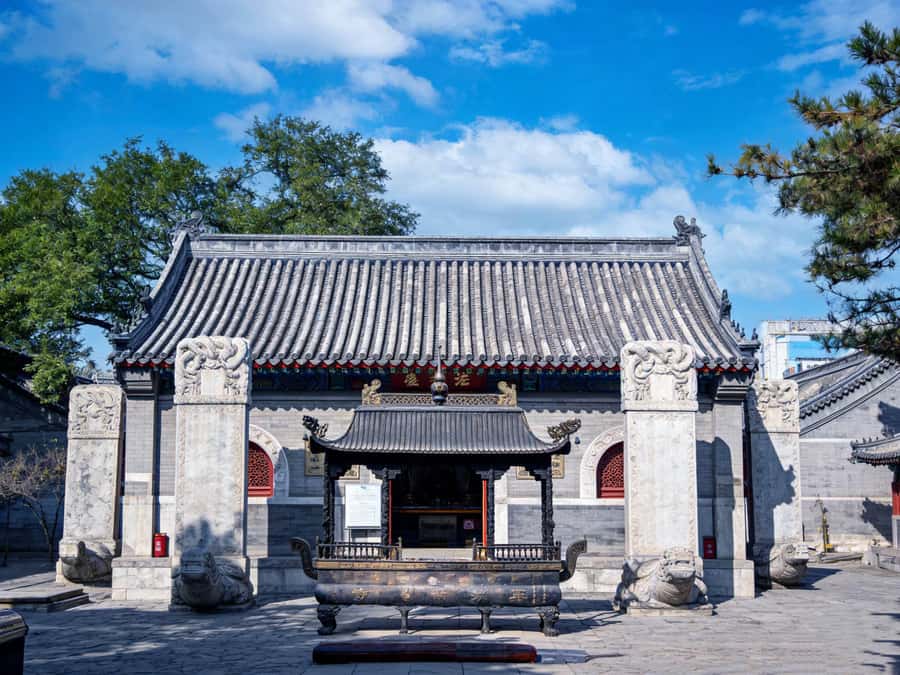
Niujie Mosque is Beijing’s oldest and largest mosque, founded in the 10th century. It blends Chinese courtyard architecture with Islamic arabesques and domes. That mix is the story here: two aesthetic languages living side by side.
This site tends to work well in a half-day plan because it adds a different kind of sacred space compared with the imperial-style Taoist and Confucian settings. You’ll notice how courtyard design shapes movement and how Islamic architectural motifs show up in the details.
Important note for access: prayer times may restrict some areas. If your visit falls during a service, you might have to adjust where you go. The private guide can help you keep the visit smooth and respectful.
If you care about cultural coexistence, this is one of the best stops to include. It’s not just a building, it’s a living religious hub.
Xuanwumen Church, St. Joseph’s: Gothic Revival in a Chinese setting
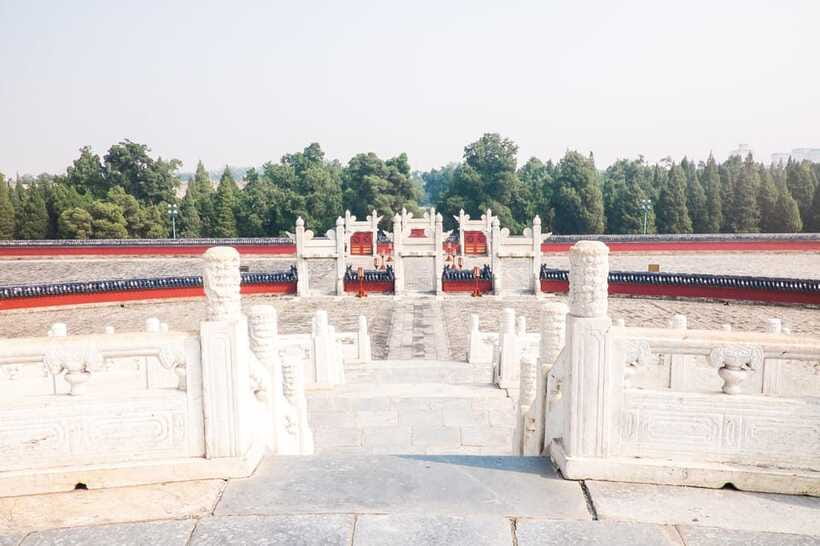
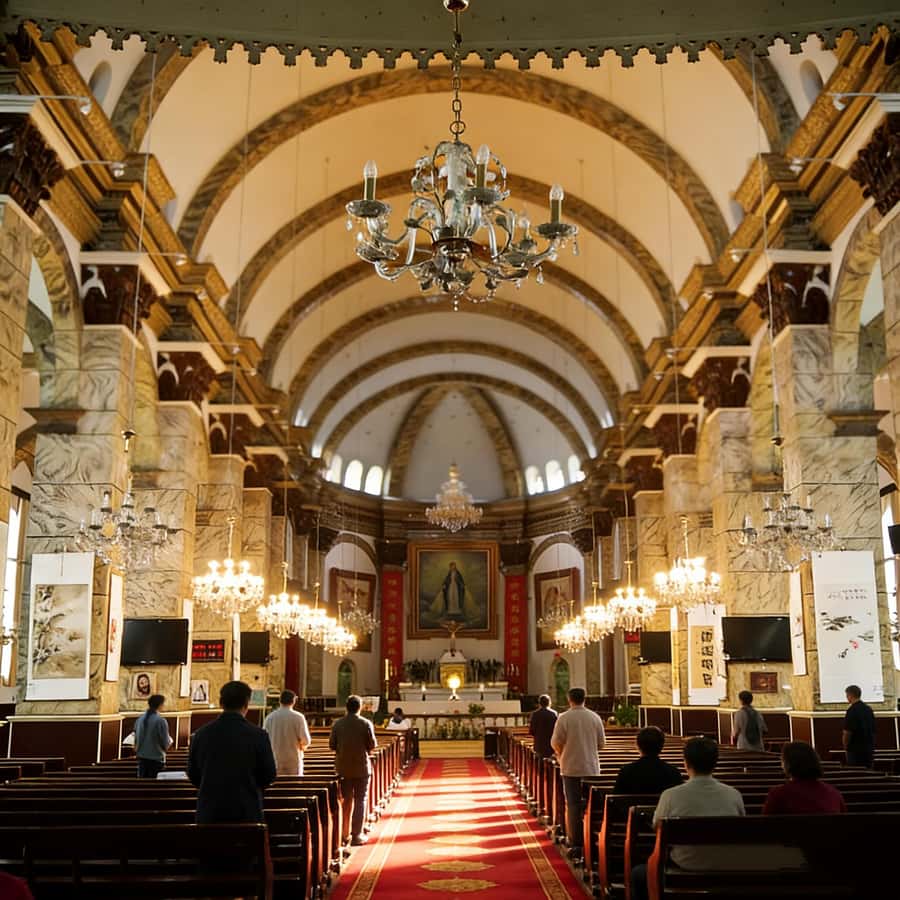
For something visually different, include Xuanwumen Church, also known as St. Joseph’s. This is a late 19th-century Gothic Revival landmark, one of Beijing’s earliest Catholic churches.
The contrast is immediate. Look for pointed arches, stained glass, and a spire rising above the more traditional surroundings. It’s a clear reminder that Beijing has also been shaped by global religious exchange.
Why it’s a smart choice:
- It breaks the pattern of rooflines and courtyards common to many Chinese religious sites.
- If you’re into architecture, this is an easy win because the features are recognizable and photo-friendly.
- A guide can explain how Western-style church design landed here and why it fits into Beijing’s broader story of contact and change.
Practical consideration: Since it’s a church with services that can affect viewing, check what timing you have once your guide confirms the day’s plan.
Confucius Temple: exam stone tablets and civil-service memory
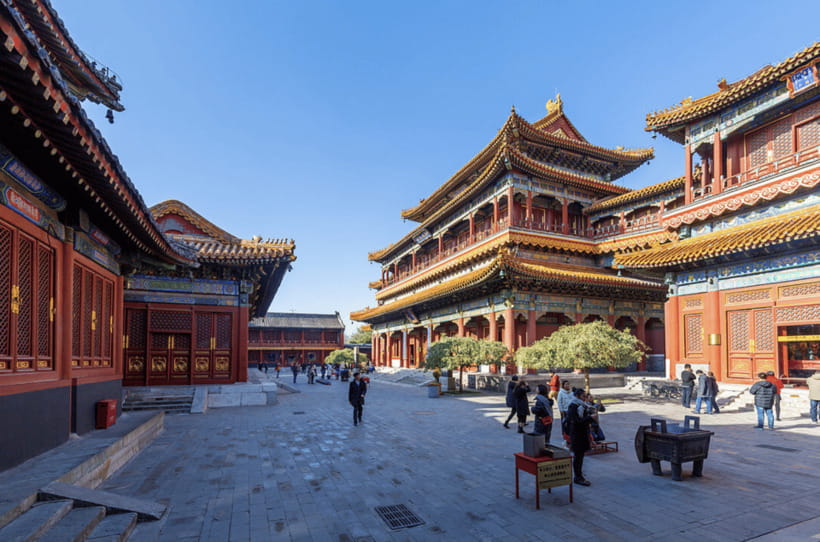
Confucius Temple is built over 700 years ago and is described as Beijing’s most sacred Confucian site. It honors Confucius and includes 500+ imperial examination stone tablets along with ancient halls.
This is a fascinating stop if you want to understand how Confucianism shaped society. The examination tablets are especially meaningful because they connect philosophy to government and education.
Why this temple is worth it:
- You see how ideology becomes a physical archive.
- The halls and tablet displays help explain how learning and morality were treated as social foundations.
- Even if you don’t read Chinese, a guide’s interpretation makes the layout feel purposeful.
Closure note: it’s closed on Mondays. If you’re in Beijing on a Monday, replace this with Temple of Heaven (also closed) or choose the other open-day religious sites in your package.
Getting around, tickets, and why the pace feels calmer
This experience is structured to reduce stress.
You get:
- A private professional guide with in-depth commentary
- Entry tickets for the chosen sites
- Skip-the-ticket-line access
- A live English guide
- Hotel pickup, with the guide holding a sign with your name in the hotel lobby
- A private group setup
Transport depends on your chosen option. Most car-included packages include a private car for convenience. If you choose a 4-hour no-transport package, transport costs are not included, and you’ll need to self-arrange or use the subway.
That matters because Beijing traffic can eat time. If you’re trying to protect your visit windows, a car-included setup can feel like a bargain compared to losing half a day to commuting. If you enjoy transit and don’t mind walking, the subway option can work, and some guides are even helpful with mapping and directions.
One more thing: it’s listed as wheelchair accessible, which is useful when planning for mobility needs.
Price and value: why $77 can be a good deal
At $77 per person for a 4 to 7 hour private tour, the value depends on two things: how many major sites you pack in, and how much you want the guide to do for you.
This price gets you:
- A private guide focused on history, rituals, and cultural significance
- Included entry tickets for selected stops
- Skip-the-ticket-line convenience
- Hotel pickup
- Private car transfer in some package choices
If you were to plan your own route and buy tickets separately, you would still need a plan for day-of-week closures, prayer-time access limits, and the “how do I understand what I’m seeing” part. The guide work is often the difference between a quick photo day and a day that feels like you actually learned something useful.
So I think this is a strong fit if:
- You care about understanding religious symbolism, not just collecting landmarks
- You want a calmer experience with less crowd pressure
- You’re visiting on a day with closures, and you’d rather have someone else handle the switching of sites
Who this tour suits best
This is a great match for you if you:
- Like private guides who answer questions and adjust pacing
- Want a mixed-faith day, not just one museum-style temple visit
- Appreciate architecture tied to belief, ritual, and daily practice
- Are traveling with a small group that wants control over where time goes
It may not be ideal if you want a very rigid, timed itinerary with zero flexibility. This tour works best when you pick your priorities and let the guide shape the rest.
Should you book this private Beijing faith-and-temple tour?
Yes, I’d book it if you want a smart, flexible way to experience Beijing’s major religious landmarks with less friction. The biggest win is the pairing of custom site selection with an English guide who explains what you’re seeing and why it matters.
If you’re traveling on a Monday, book with extra care in your site choices, since Temple of Heaven and Confucius Temple are closed. If you want Niujie Mosque, plan around the possibility that prayer times can limit access to some areas.
In short: if you want Beijing’s temples and sacred spaces to make sense, and you’d rather spend your time learning than coordinating, this is a strong value.
FAQ
How long is the tour?
The tour runs for 4 to 7 hours, and you can check availability for starting times.
Can I choose which sites to visit?
Yes. You select your preferred combination of featured sites, and not every listed location is visited in one day because of logistics.
Is Temple of Heaven open every day?
Temple of Heaven is closed on Mondays.
Is Confucius Temple open every day?
Confucius Temple is closed on Mondays.
Is Niujie Mosque always fully accessible?
Niujie Mosque is open, but prayer times may restrict access to some areas.
Is this a private tour and is the guide in English?
Yes, it is a private group tour, and the live guide is provided in English.
Are entry tickets included?
Entry tickets for the chosen sites are included, and the tour includes skip-the-ticket-line access.
Does the tour include transportation?
It depends on the package you choose. Some options include a private car transfer for convenience, while 4-hour no-transport packages do not include transport costs.
Where will I meet the guide?
Your guide will pick you up from your hotel lobby and will hold a sign with your name.
Newly Listed Tours in Beijing
- Beijing Half Day Walking Tour-Tiananmen Square and Forbidden City★ 5.0 · 1 review
- 1-Day Beijing private English speaking guide with driver service★ 5.0 · 1 review
- Flexible Private Layover Beijing Night Sightseeing with English Speaking Driver★ 5.0 · 1 review
- Private Day Trip to Huaibei International Ski Resort and Mutianyu Great Wall★ 5.0 · 1 review
- 2-Day Customizable Beijing Highlight Tour with Airport Transfer Option★ 5.0 · 1 review
- 1-Day Beijing Private tour: Mutianyu Great Wall and Summer Palace★ 5.0 · 1 review
- Private Virtual Tour in Beijing★ 4.0 · 1 review
- 1-Way Private Transfer Service between Tianjin cruise Port and Beijing hotels★ 5.0 · 1 review
Private, compared.
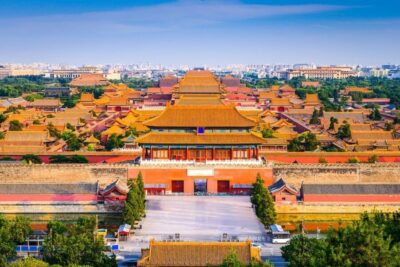
Forbidden City Tour(Group/Private)-Tickets Included
Read our review →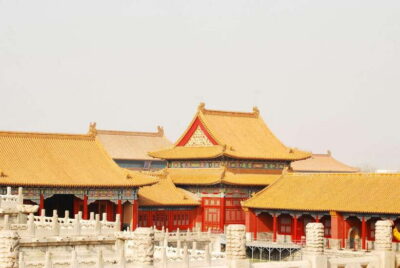
T-Square & Forbidden City Group or Private Tour
Read our review →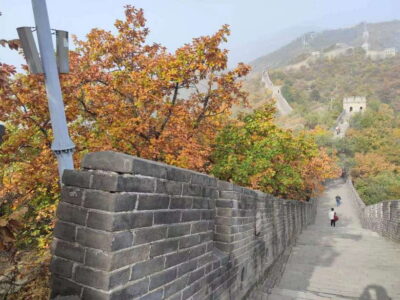
Mutianyu Great Wall Private Trip with English Driver
Read our review →
Private Mutianyu Great Wall Trip with English-Speaking Driver
Read our review →Private Mutianyu Great Wall Trip With English-Speaking Driver
Read our review →
Mutianyu Great Wall&Summer Palace Excursion:Group/Private Options
Read our review →
Private Beijing Walking Tour of the Forbidden City with 7 Options
Read our review →