
Reviewed · BEIJING
Explore Ancient Chinese Architecture & Meet its People
Brackets and courtyards tell the whole story. This Dongsi Hutong experience is built around real old houses, a clear architecture primer, and time with people working to keep Beijing’s traditional fabric alive.
I like two things most: the traditional courtyard house access and the hands-on dougong activity, where you help disassemble and reassemble the bracket system. You also get context to notice details you would normally miss.
The main catch is the short window, about 3 to 4 hours, so it is not a full Beijing architecture day.
In This Review
- Key highlights to look for
- Dongsi Hutong: Courtyards, People, and a Slower Beijing
- Entering the courtyard: what that “primer” actually does for you
- Hands-on dougong: the bracket work that makes roofs make sense
- Meet Yuhua and the hutong preservation circle
- Price and timing in Beijing: is $95.20 worth it?
- Practical morning tips for Dongsi Hutong
- Should you book this tour?
- FAQ
- What is the duration of the experience?
- Where does the experience take place?
- How much does it cost?
- What time does it start?
- Is this tour private?
- What ticket format do I use?
- What will I do during the tour?
- Who guides the experience?
- Is it accessible for people with moderate physical fitness needs?
- Is the experience refundable if plans change or the weather is bad?
Key highlights to look for
- Traditional courtyard house access in one of the most authentic hutong areas
- A practical primer on Ancient Chinese Architecture so the buildings start making sense
- Meet real hutong preservationists, including locals such as Grandpa Li and Uncle Zhu
- Hands-on dougong disassembling and assembling
- Private group format, only your group participates
- A small heritage donation, with 1% of the payment supporting Beijing Cultural Heritage Protection Center (CHP)
Dongsi Hutong: Courtyards, People, and a Slower Beijing
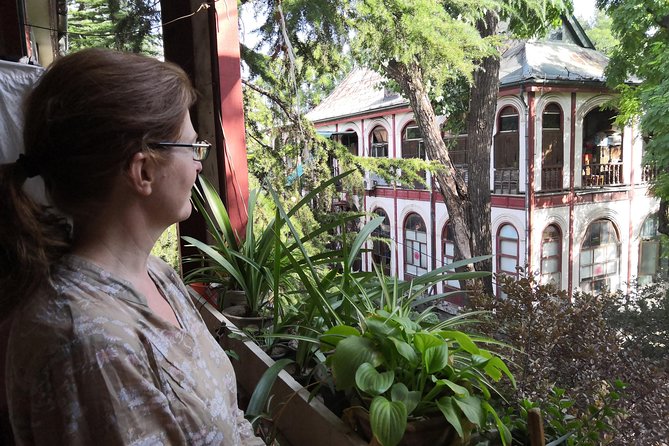
Dongsi Hutong is the kind of place where you can feel daily life shaped by architecture. The tour starts in the Dongsi area (Dongcheng District), and that matters. You are not just looking at buildings from the edge of a postcard spot. You get a view of how older courtyard layouts still guide movement, work, and neighborly routines.
I also like that the whole experience is oriented around people, not performance. You spend time meeting locals who put real effort into architectural preservation. That is the heart of why this tour feels different from a standard sightseeing walk. In a city where older neighborhoods are changing fast, you get a chance to understand what is at stake, and why residents care so much.
A practical note: you’ll want moderate stamina for a 3 to 4 hour walking and activity schedule. Comfortable shoes help a lot, and going in with a good attitude helps even more, because part of the fun is paying attention to small details.
A few more corners of Beijing worth exploring before you go.

Entering the courtyard: what that “primer” actually does for you
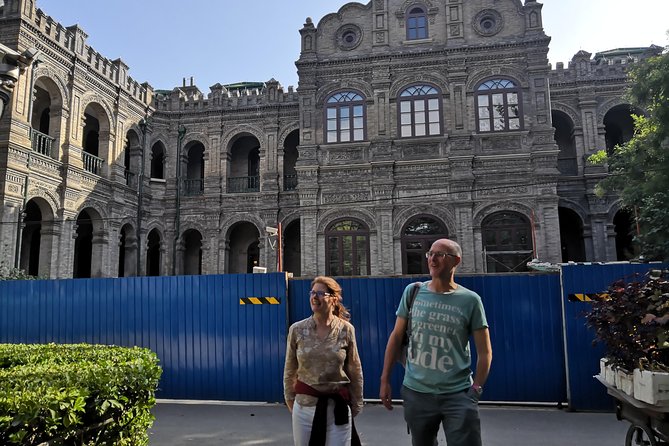
One of the best parts of this experience is that you do not just get dropped into an old compound and told to look around. Yuhua walks you through what you are seeing, with a primer on Ancient Chinese Architecture. The goal is simple: you get enough basics to read the place while you are in it.
In practical terms, this kind of “get your bearings fast” orientation changes everything. When you understand how elements work together, you stop seeing random decorations and start recognizing function. You begin to spot patterns in structure and design, and you can explain what you’re looking at, even to a friend who is totally new to Chinese architecture.
You also get privileged access to a traditional courtyard house, which is a big deal in hutong areas where entry can be limited. That access turns the experience into something more intimate than a photo stop. You see how space is organized, how rooms relate to courtyards, and how the overall layout supports everyday living.
Is it perfect for everyone? If you want a huge, multi-site Beijing route, this may feel focused. But if your goal is to understand one authentic hutong environment deeply, the architecture primer does the heavy lifting.
Hands-on dougong: the bracket work that makes roofs make sense
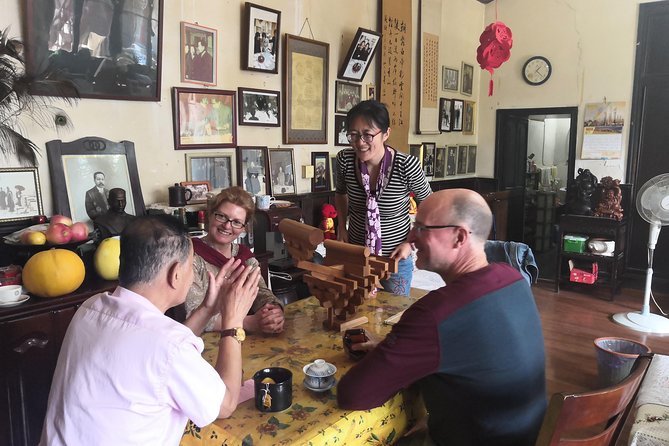
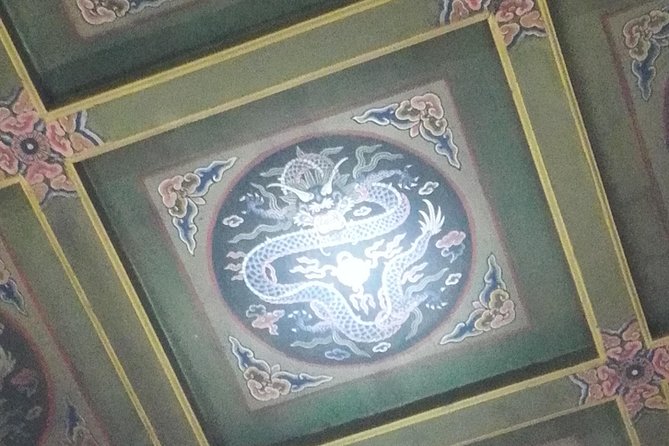
The standout activity here is learning dougong by doing. During the experience, you try your hands at disassembling and assembling the bracket system, one of the famous structural and decorative elements in traditional Chinese roof construction.
Even if you know nothing going in, the hands-on part is the lesson. It is hard to forget when you’re holding components and noticing how they fit. You start to understand why dougong is not just ornament. It is part of how traditional buildings manage roof support and shape.
What I love about this activity is that it forces attention. Instead of passively looking, you are actively building the idea in your mind. You get a physical relationship with the architecture, which makes the buildings feel more real, and not just old.
Possible consideration: this is an activity with tools and parts, so you’ll want a steady grip and patience. If you expect everything to be purely observational, this may be more hands-on than you planned. Still, it is exactly that participation that makes the experience memorable and highly value-packed.
Meet Yuhua and the hutong preservation circle
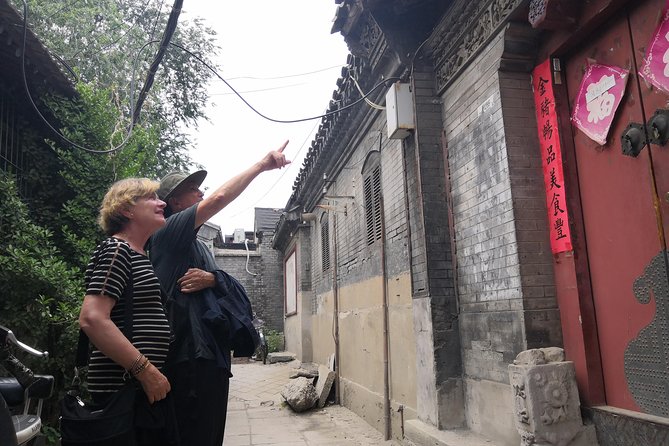
This tour is guided by Yuhua, and that human touch shows up in the way the experience is paced. The architecture lessons are useful, but the tour’s emotional pull comes from meeting people who live in the hutongs and who work to preserve their architectural heritage.
You’ll meet residents who make extraordinary efforts in ordinary ways. The experience also includes meeting people such as Grandpa Li and Uncle Zhu, who represent the local connection that makes preservation meaningful. You’re not just learning about heritage in theory. You’re meeting the people who deal with it day to day.
I find that this is where the tour earns its place. When you hear someone talk about why an old courtyard matters, it stops being an aesthetic choice and becomes a community story. You start to understand how heritage preservation can include maintenance, memory, and identity, not just restoration work.
There is also a contribution element. 1% of the payment supports Beijing Cultural Heritage Protection Center (CHP), an NGO helping residents preserve their cultural heritage. It is not a giant donation, but it gives your ticket real-world direction.
Price and timing in Beijing: is $95.20 worth it?
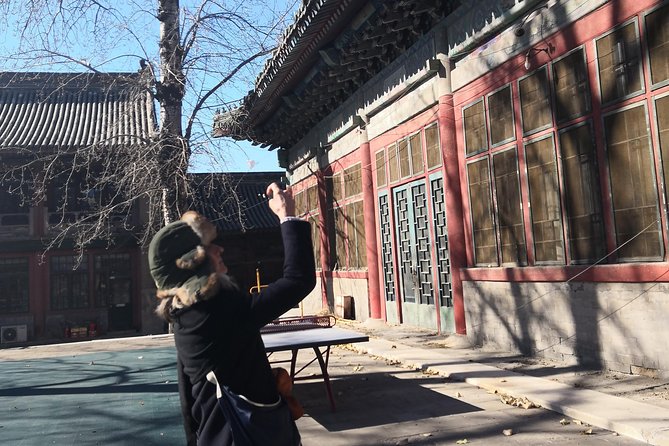
At $95.20 per person, this is not a budget coffee-and-stroll type of outing. But it is also not overpriced for what you get, especially in Beijing where “access” often costs extra.
Here is where the value comes from:
- You get courtyard house access rather than only viewing from the street.
- You receive an architecture primer, which helps you get more out of every minute.
- You do a hands-on activity with dougong, which most short tours do not include.
- The experience is private, so only your group participates.
Time-wise, plan around a 3 to 4 hour experience. That duration is about right for a focused architecture-and-people session. You will leave with a clear sense of what makes traditional courtyards special and what daily preservation can involve, without it turning into a half-day endurance test.
Also, the tour uses a mobile ticket, and the meeting point is near public transportation. That combo usually means less stress, more time on what matters.
Booking rhythm matters too. On average, this is booked about 58 days in advance, so if you want a specific day, it helps to plan early.
Travelers who read this also booked these.
- All-Inclusive Tour: Tiananmen Square, Forbidden City, Great Wall★ 5.0 · 2,873 reviews
- MuBus: Mutianyu Great Wall ENG/ESP/RUS Guided Bus Tour★ 5.0 · 2,361 reviews
- 4-Hour Small Group Tour to Forbidden City with Entry Tickets★ 5.0 · 1,863 reviews
- Beijing: Tiananmen Square Registration Service(Ticket)★ 4.5 · 1,704 reviews
Practical morning tips for Dongsi Hutong
This tour starts at 9:00 am and meets near subway access. Your starting point is listed around Subway Line 5, Zhangzizhonglu Station, Exit A. If you’re arriving by metro, give yourself buffer time to exit, walk to the exact spot, and settle in.
Bring the usual Beijing basics. Comfortable shoes matter because hutong streets and courtyard entrances are not designed for leisurely loafing in slippery soles. A light layer helps too. Mornings can feel cool, and you may be outside for parts of the experience.
Weather matters. The experience is described as requiring good weather, and if it is canceled due to poor conditions, you are offered a different date or a full refund. That is worth noting because it protects your time, but you should still check conditions if you’re planning a tight schedule.
Finally, keep your expectations aligned with the format. This is a private, focused hutong architecture session. It is not trying to cover all of Beijing. It is designed to make one place, one courtyard, and one architectural concept stick in your head.
Should you book this tour?
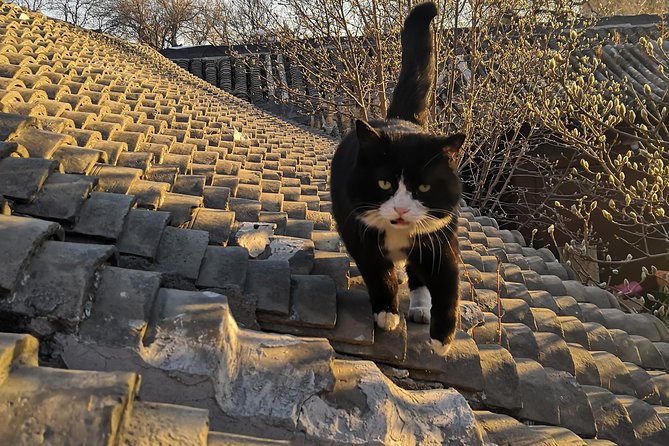
Book it if you want more than photos, and you like the idea of learning architecture by seeing it up close and then touching the details. The courtyard house access, the dougong hands-on work, and the meeting of real preservation-minded locals (with guide Yuhua and people like Grandpa Li and Uncle Zhu) are the strongest reasons to choose it.
Skip it if you need a long sightseeing loop, or if you dislike hands-on activities and short time blocks. Also factor in the weather requirement and that the experience expects moderate physical fitness.
For the right traveler, this is one of those Beijing outings that feels personal, practical, and worth the money because you leave with understanding, not just images.
FAQ
What is the duration of the experience?
It runs for about 3 to 4 hours.
Where does the experience take place?
It takes place in Beijing, with the start in the Dongsi Subdistrict area and the tour ending around Zhangzizhong Road.
How much does it cost?
The price is listed as $95.20 per person.
What time does it start?
Start time is listed as 9:00 am.
Is this tour private?
Yes. It is a private tour/activity, and only your group participates.
What ticket format do I use?
The experience uses a mobile ticket.
What will I do during the tour?
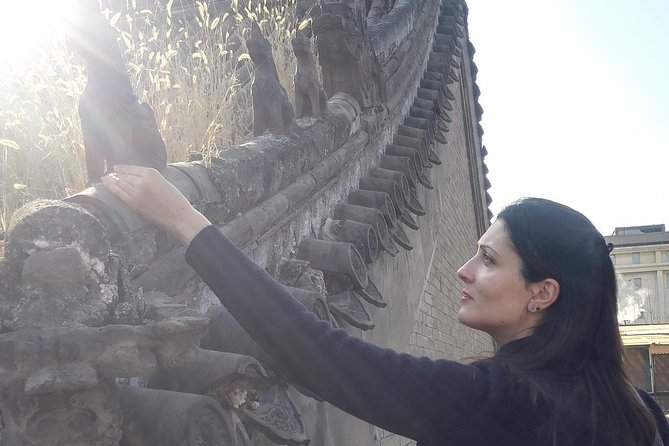
You will explore a traditional courtyard house area, receive a primer on Ancient Chinese Architecture, meet local people working to preserve architectural heritage, and try assembling and disassembling dougong.
Who guides the experience?
The tour is led by Yuhua.
Is it accessible for people with moderate physical fitness needs?
The experience lists a moderate physical fitness level.
Is the experience refundable if plans change or the weather is bad?
Cancellation is free up to 24 hours in advance for a full refund. It also notes that good weather is required, and if canceled due to poor weather you will be offered a different date or a full refund.
Newly Listed Tours in Beijing
- Beijing Half Day Walking Tour-Tiananmen Square and Forbidden City★ 5.0 · 1 review
- 1-Day Beijing private English speaking guide with driver service★ 5.0 · 1 review
- Flexible Private Layover Beijing Night Sightseeing with English Speaking Driver★ 5.0 · 1 review
- Private Day Trip to Huaibei International Ski Resort and Mutianyu Great Wall★ 5.0 · 1 review
- 2-Day Customizable Beijing Highlight Tour with Airport Transfer Option★ 5.0 · 1 review
- 1-Day Beijing Private tour: Mutianyu Great Wall and Summer Palace★ 5.0 · 1 review
- Private Virtual Tour in Beijing★ 4.0 · 1 review
- 1-Way Private Transfer Service between Tianjin cruise Port and Beijing hotels★ 5.0 · 1 review