Reviewed · FOOD
Flavors of Beijing: Eat Like A Real Chinese
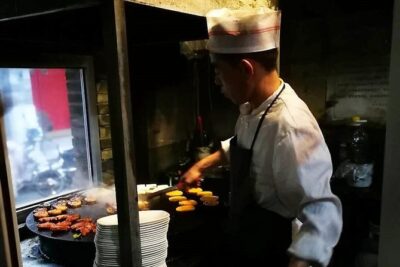
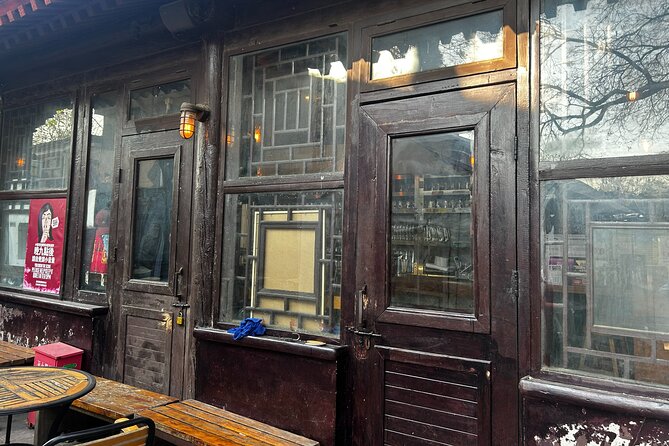
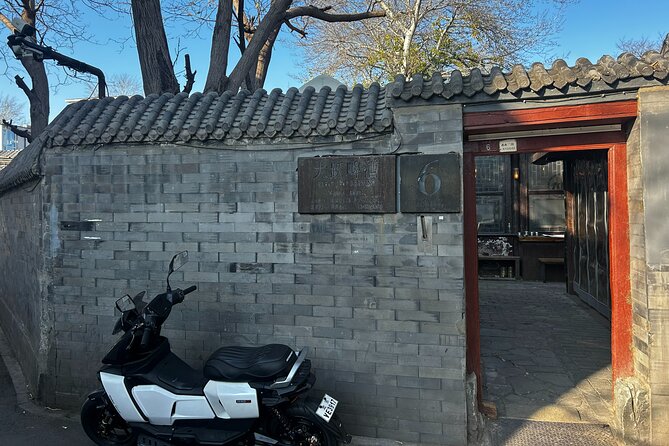
Cooking in Beijing starts at the market. What makes Flavors of Beijing so good is the market tour that teaches you what to buy and why, then the cooking happens in a real hutong home with Chef Chao guiding you. I also like the hands-on parts, woks, cleavers, and the condiments class that makes the flavors click. One downside to plan for: the cooking place can be hard to spot from the street, so you need to pay attention to the numbered address and directions.
You meet in central Beijing around 12:00 pm, and it feels like a half-day food mission that still includes time to walk. The group is capped at 12 travelers, and the menu changes daily with a vegetarian option (and at least one vegetarian dish each day). If you hate walking in alleys or you burn easily in a hot kitchen, tell your guide, and wear breathable clothes.
In This Review
- Key things to know before you go
- A hutong market hunt, then cooking in a real home
- Price and what you actually get for $99
- The walking route: Bell and Drum Towers to Yandai Xie Street
- Market time: how to pick ingredients like a local
- The condiments class: where flavor starts
- Dim sum or main dishes: what you might cook each day
- If your day leans dim sum
- If your day leans main dishes
- Eating together at the family table (and taking recipes home)
- Practical tips for a smooth day in Beijing
- Who this cooking class fits best
- Should you book Flavors of Beijing: Eat Like A Real Chinese?
Key things to know before you go
- Market first, then cooking: You choose ingredients with your guide before you step into the home kitchen.
- Chef-led, small group vibe: Max 12 people means more time with the instructor and less waiting around.
- Wok, cleaver, and sauce practice: You learn technique, then apply it to real dishes.
- Daily menu with vegetarian options: One meat-free day is built in, plus at least one vegetarian dish each day.
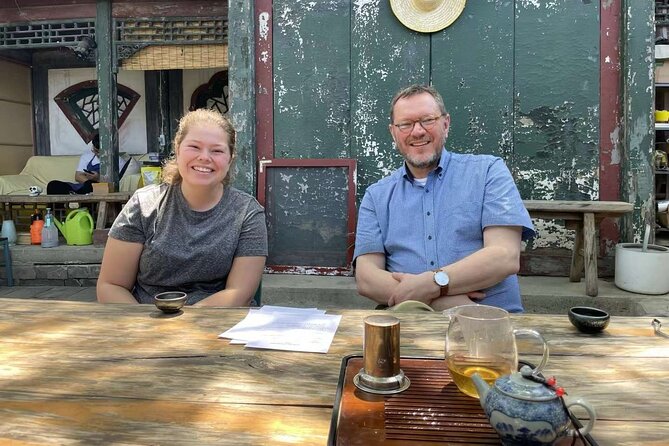
- Eat at the family table: You finish with a shared meal while chatting with your group and guide.
A hutong market hunt, then cooking in a real home
This is not the kind of cooking class where you only follow recipes on a screen. The day starts with a food market walk, where you see the ingredients up close and pick what you will cook. That matters, because Chinese cooking is a lot more about balance and technique than it is about complicated gadgets.
After that, you head through the hutong alleyways to the class location in a local home. That change of scenery is part of the point. Outside, the city is loud and fast. Inside, you get a calmer rhythm, cookware on the ready, and a home-table meal at the end.
From the reviews, the most praised part is Chef Chao’s teaching style. He slows things down when needed and explains how ingredients and seasonings work together. You also get practical guidance on tools like woks and cleavers, plus how to handle the prep steps for dim sum or main dishes.
One thing to know up front: the kitchen can run hot. In summer, that can feel intense. If you are heat-sensitive, choose lighter clothing and pace yourself during cooking.
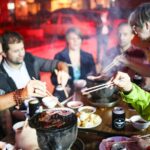
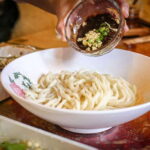
Dishes worth crossing town for
Price and what you actually get for $99
At $99 per person, this feels like a strong value if you care about food you can re-create at home. You are paying for four things that add up fast on their own: an English-speaking guide, a guided market visit, ingredient and equipment use, and a real meal you eat together.
The class experience includes:
- a condiments class and tasting
- a local market tour where ingredients are selected (with those ingredients included)
- all ingredients and cooking equipment for what you prepare
- a sit-down banquet after cooking
It also helps that the group stays small, max 12. When you cook with a team, small groups usually mean more coaching time, fewer people crowding the cutting board, and less time waiting while others finish.
Do watch the details. Hotel pickup and drop-off are not included, and drinks are not included at the brewery stop (and beer or other drinks there specifically are not included). So if you want a drink, plan to buy it yourself.
The walking route: Bell and Drum Towers to Yandai Xie Street
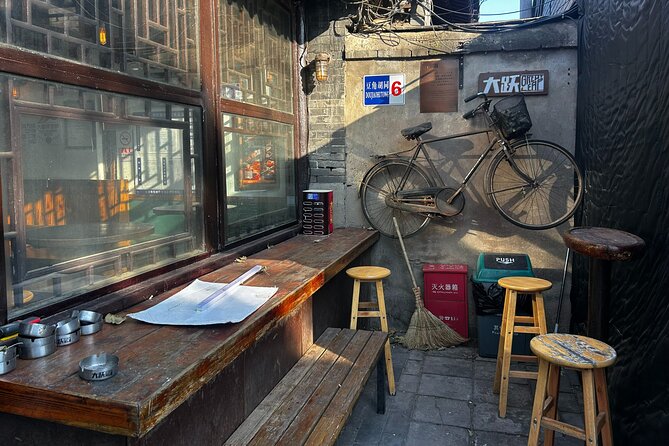
Your day is not just “meet, cook, leave.” It also includes a guided walk with several named local spots along the way. The itinerary lists stops near Bell and Drum Towers, Yandai Xie Street, and Yinding Bridge.
Why this helps: you get context for the food day. Beijing’s food scenes make more sense when you see where people stroll, snack, and shop. You also get easy photo pauses without having to plan separate sightseeing blocks.
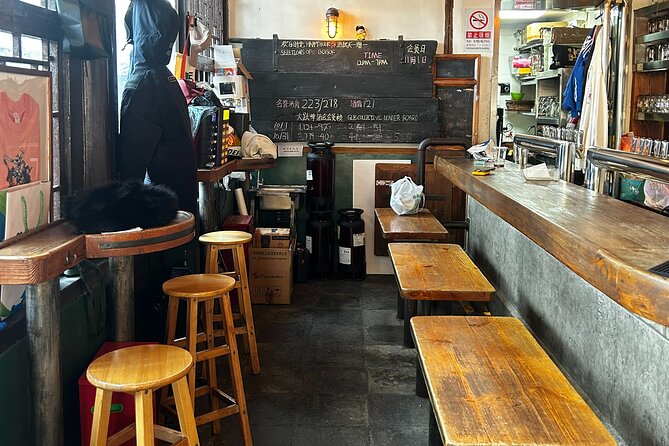
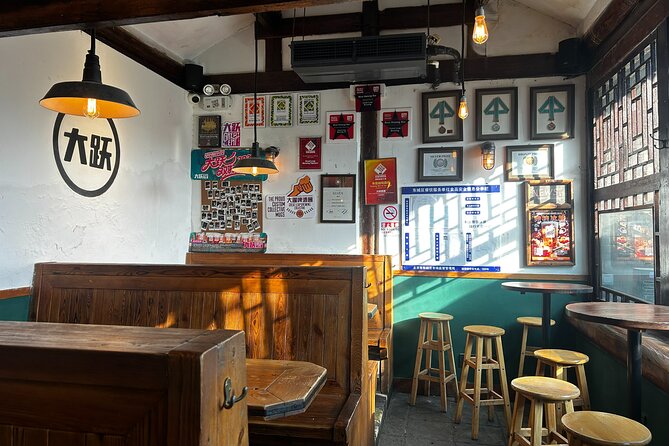
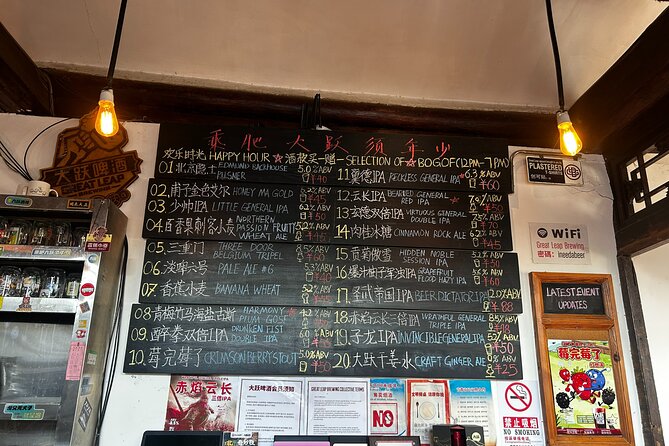
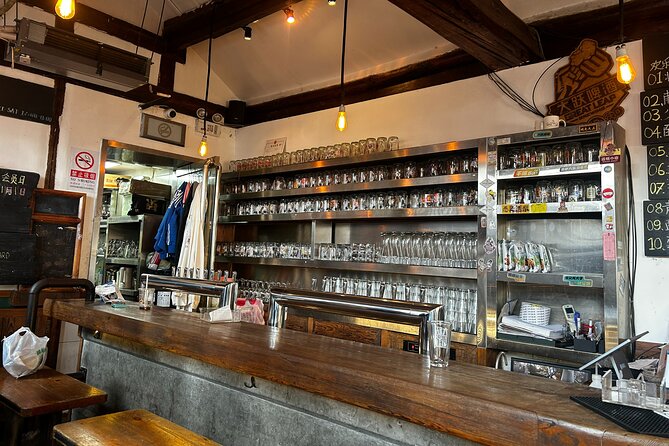
There is also a stop at Great Leap Brewing Original #6. You might pass by or stop near it for a look, but beer or drinks there are not included. If you’re a beer fan, this is a nice point to know where it is, even if you still pay separately for any tasting.
The last named stops are Songzhu Temple and Zhizhu Temple. Again, the itinerary says “stop,” not “full visit,” so treat it as short orientation time rather than a long temple tour.
The big practical point: you will be walking. Wear comfortable shoes, and bring a light layer if you get cold from indoor AC after being outside.
Market time: how to pick ingredients like a local
The market walk is the emotional high point for most people. You get the sights and smells right away, and your guide explains what you are looking at and what each ingredient is best for.
Expect to browse stalls bursting with fresh produce, herbs, and common cooking ingredients. You’ll also buy the ingredients for the menu as part of the experience, so you are not stuck trying to guess what you need in a foreign market.
A few things the day teaches in a very practical way:
- How to choose produce for flavor, not just looks
- What seasonings and sauces are used for specific dishes
- How Chinese cooking thinks about balance, like savory plus aromatic plus a bit of tang or heat
From the experience descriptions and the way Chef Chao teaches, you will likely learn to connect an ingredient to a flavor job. That makes the cooking class much easier, because you stop following instructions like a robot and start cooking like you understand the goal.
Also, you might have moments where you want to buy extra snacks or specialty items beyond the included ingredients. If that’s your style, just plan that extra purchases are outside what is guaranteed to be included.
The condiments class: where flavor starts
If you want the secret to great Chinese food, it is usually not one magic ingredient. It’s sauces, aromatics, and how you build flavor step by step. That’s exactly why the day includes a condiments class before you cook the main dishes.
In practice, this is where you learn:
- how seasonings show up in real cooking, not just in cookbook lists
- how to handle key sauces and mixes
- why certain flavors work together, like savory bases with aromatic oils or tangy notes in sweet-and-sour style dishes
This is also where Chef Chao’s approach stands out. The class is taught slowly enough that you can ask questions and connect the dots. The reviews praise his patience and clear explanations, especially around spices and ingredients.
You should come hungry but also ready to pay attention. A condiments class can sound dry on paper. In this format, it becomes the foundation for everything you’ll cook next.
Travelers who read this also booked these.
- From Beijing: Mutianyu Great Wall Tours with Options★ 4.9 · 9,216 reviews
- Beijing: Forbidden City Tour(Group/Private)-Tickets Included★ 4.8 · 7,974 reviews
- Beijing: T-Square & Forbidden City Group or Private Tour★ 4.8 · 4,446 reviews
- All-Inclusive Tour: Tiananmen Square, Forbidden City, Great Wall★ 5.0 · 2,873 reviews
Dim sum or main dishes: what you might cook each day
The menu changes daily. Depending on what day you go, you might focus on dim sum or on heartier main dishes. There is also one vegetarian day built in, where you can make an entirely meat-free menu.
Even on non-vegetarian days, you are not left out. At least one vegetarian dish is prepared each day.
If your day leans dim sum
You might make dumpling-style dishes. The description mentions examples like:
- barbecued pork buns
- stir-fried noodles
- sesame rolls
Dim sum days also train you on the kind of technique that takes practice. In reviews, people talk about how making dumplings is more detailed and fiddly than they expected, especially the dough crimping. That can be challenging, but it’s also the reason people remember the experience.
If your day leans main dishes
You may cook dishes such as:
- steamer ginger fish
- sweet and sour pork
- stir-fried chili beef
Across both formats, you get practice with woks and cleavers. The cleaver part is a big deal here, partly because it changes how you feel about prep work. You stop treating chopping like a chore and start treating it like a technique.
Either way, the goal is not just to make one dish. You learn enough to understand the process, the timing, and the flavor logic behind each plate.
Eating together at the family table (and taking recipes home)
After cooking, you sit down and eat what you made at a family-style table. This is where the day becomes more than a class. Conversation flows because everyone is sharing the same meal experience, and you get a sense of the home rhythm.
This meal also helps you taste the dishes while the cooking lessons are fresh. You can think back to the condiments class and spot the “why” in the final flavor. That makes it easier to repeat the cooking at home.
One detail that stood out in the reviews: you may receive recipes and technique notes on paper to take home. That’s genuinely useful. It turns your memory into something you can cook from later, especially if you want to recreate dumplings or sauce steps without guessing.
If you have dietary preferences, the safest approach is to ask ahead. The day clearly includes vegetarian options through the vegetarian day and daily vegetarian dish. There is also at least one review noting adaptation for veganism, but you should not assume that’s available every time without confirming.
Practical tips for a smooth day in Beijing
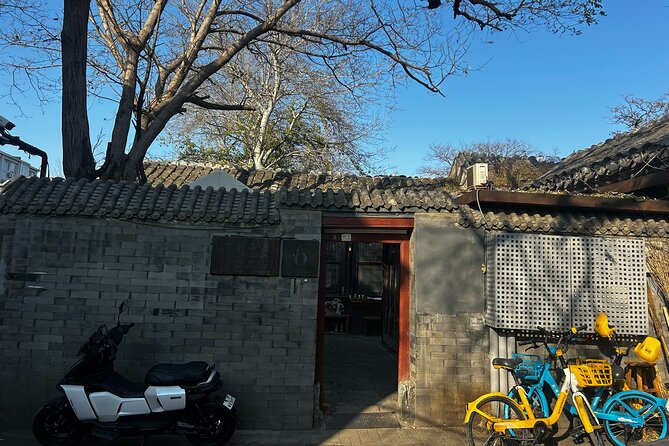
A great class can still be annoying if the logistics trip you up. Here are the practical points that will help:
- Find the address carefully: Reviews mention there is no big obvious outside sign, so follow the provided instructions and pay close attention to the numbered address when you arrive.
- Plan for walking: You do market browsing and several route stops. Comfortable shoes matter.
- Dress for heat: The cooking area can get hot, especially in summer. Light layers help, and you will move around more than you expect.
- Bring your appetite: You are cooking and then eating. This is not a light snack stop.
- Know that hotel pickup is not included: You handle getting there, then the experience returns you to the meeting point.
- Great Leap Brewing drinks are on you: Drinks are not included, so don’t build your budget around brewery beer.
One more tip from a review style point of view: if you’re planning to head back by taxi, know that local curbside pickup can be tricky. I suggest you ask the guide what the best option is for your return plan.
Who this cooking class fits best
This is a good fit if you want your Beijing day to be hands-on and grounded in daily food culture. You’ll enjoy it if you like food markets, you want real technique practice, and you like learning from a chef who teaches step by step.
It’s also ideal if you are traveling solo or with a partner. The group is small, and the reviews include experiences where people got a closer, more personal teaching flow when the class size was low.
You might not love it if:
- you want a relaxed, sightseeing-only day
- you dislike cooking prep work like chopping and dough handling
- you get uncomfortable with heat in kitchens
Should you book Flavors of Beijing: Eat Like A Real Chinese?
Book it if you want the strongest food payoff. For $99, you are getting a market walk, a chef-led cooking lesson, technique with woks and cleavers, and a shared meal in a hutong home. That combo is hard to beat in value and authenticity.
Skip or rethink if you need a highly structured tourist itinerary with minimal walking, or if you are uncomfortable finding the location without obvious signage. Also consider that the day can run longer than a typical “3 hour” label, because the class is described as a 5-hour experience overall.
If you’re the type who likes learning by doing, this is one of the most satisfying ways to understand Beijing food without just eating it and moving on.
Newly Listed Tours in Beijing
- Beijing Half Day Walking Tour-Tiananmen Square and Forbidden City★ 5.0 · 1 review
- 1-Day Beijing private English speaking guide with driver service★ 5.0 · 1 review
- Flexible Private Layover Beijing Night Sightseeing with English Speaking Driver★ 5.0 · 1 review
- Private Day Trip to Huaibei International Ski Resort and Mutianyu Great Wall★ 5.0 · 1 review
- 2-Day Customizable Beijing Highlight Tour with Airport Transfer Option★ 5.0 · 1 review
- 1-Day Beijing Private tour: Mutianyu Great Wall and Summer Palace★ 5.0 · 1 review
- Private Virtual Tour in Beijing★ 4.0 · 1 review
- Private Day Tour Of Jinshanling Great Wall From Beijing★ 4.0 · 1 review
Food, compared.
Beijing Hutong Walking Food and Beer Tour at Hidden Restaurants
Read our review →
Hidden Gems Guided Food Tour with Beer and Tastings
Read our review →


Beijing Walking Food Culture Tour in Hutong and Hidden Places
Read our review →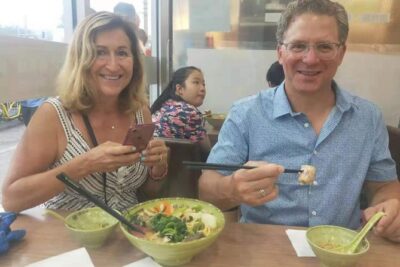
3-Hour Private Night Tour: Beijing Foodie Experience
Read our review →