
Reviewed · MARKETS
Half Day Market Tour: Maliandao Tea Street & Liulichang Antique Market
Tea street meets scholar’s shops.
This half-day market combo mixes practical shopping time with a real look at how Beijing locals buy, sip, and haggle, starting at Maliandao Tea Street and ending at Liulichang’s old-school culture lane. I like that you get guided structure in a place that can feel chaotic, and I like the built-in tea experience that helps you compare styles fast.
One thing to plan for: this is a market tour, so the pace can feel brisk if you want to stop and browse every stall like it’s your own personal shopping day, especially at Maliandao.
In This Review
- Key points worth knowing before you go
- How this half-day market tour actually feels in Beijing
- Price and what you get for $98 per person
- Morning flow: starting at 9:00 and why the timing helps
- Stop 1: Maliandao Tea Street, Beijing’s biggest tea trading stage
- What you can expect to taste and compare
- Bargaining: the practical way to do it
- The main drawback at Maliandao
- Stop 2: Liulichang Street and the scholar’s-shop world
- What makes this stop worth your time
- A realistic way to shop (or not shop) here
- The tea ceremony: why the included cultural moment matters
- Guides, pickup, and small-group comfort that actually helps
- What you should bring (and what to skip)
- Who this tour is best for
- Should you book this Maliandao and Liulichang tour?
- FAQ
- FAQ
- What are the main places this tour visits?
- How long is the tour?
- What time does the tour start?
- Is hotel pickup included?
- Does the tour include a tea ceremony?
- Are admission tickets included for both stops?
- What tea can I expect to try at Maliandao?
- How big is the group?
- Is the tour easy to join for most people?
- What if the weather is bad?
- What is included in the price, and what is not?
Key points worth knowing before you go
- Maliandao tasting and bargaining time: You can sample multiple tea types and negotiate with shop owners.
- Two distinct market vibes: tea trading street first, then scholar-style antiques and book stalls.
- A small group size: up to 15 people, so your guide can keep an eye on the group.
- Tea ceremony included: a simple cultural add-on that makes the tasting feel more grounded.
- Liulichang admission is free: you get the street experience without paying another entry fee.
How this half-day market tour actually feels in Beijing
I like tours that do one simple thing well: they cut through the guesswork. This one pairs Maliandao Tea Street with Liulichang Cultural Street, so you get both the daily commerce of tea and the more classic Beijing side of writing, books, and antiques.
You also avoid the usual “just walk around” trap. There’s a professional guide, hotel pickup by car, and a clear focus on tea first, then browsing at Liulichang. With a maximum of 15 travelers, you are not stuck waiting while a large group tries to buy one teapot.
The trade-off is time. With about 3 to 4 hours total, you will need to decide what matters most to you, tea tasting versus shopping, or you may feel like you rushed through one of the two areas.
A few more corners of Beijing worth exploring before you go.

Price and what you get for $98 per person
At $98 per person, the value mainly comes from what is included. You get a professional guide, local taxes, a tea ceremony, and hotel pickup by car, plus mobile ticket support.
That bundle matters because both markets are made for in-person browsing and bargaining. When you go without guidance, you usually spend extra energy figuring out where to start, what tea to compare, and how to communicate what you want. Here, the tour gives you a practical path, then you do the shopping the way you prefer.
What is not included is also worth noting. There is no meal provided, so if you tend to snack or drink heavily during tastings, plan to eat before or after your tour. Also, any purchases are, of course, personal expense.
Morning flow: starting at 9:00 and why the timing helps
The tour starts at 9:00 am, which is smart for market energy. You get into the tea street when shops are set up and ready to talk, and you still have enough day rhythm left for your next stop.
The order also makes sense. Maliandao is about tasting and negotiating, so you start there while your shopping goal is clear. Then Liulichang is more about browsing slower, taking in objects tied to calligraphy, painting, rubbings, and scholar tools.
If you hate rushing, you can still slow down at Liulichang, where the street is oriented around browsing rather than fast negotiations.
Stop 1: Maliandao Tea Street, Beijing’s biggest tea trading stage
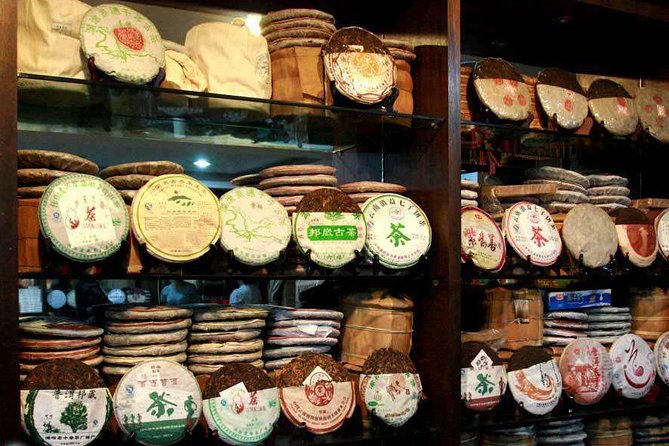
Maliandao Tea Street is described as the biggest tea trading market in China. That is not just marketing language either. You will find thousands of tea stores lined along the street, with shops in both modern and antique-style decor, and many stalls set up for customers to taste first and then bargain.
This is a great stop if you want a real feel for how tea culture works as daily commerce, not just as a souvenir theme. The guide helps you move between shops so you can compare tea types without burning your whole morning guessing.
What you can expect to taste and compare
You will visit two different tea shops during the tea street portion. The tea focus is broad, so you can sample styles like green tea, oolong, black tea, pu-erh, and white tea.
That mix helps you avoid the common mistake of buying one tea you like without understanding what you actually prefer. Even if you are not a tea expert, tasting multiple categories in a short window makes it easier to connect your taste to the type you want to take home.
Travelers who read this also booked these.
- All-Inclusive Tour: Tiananmen Square, Forbidden City, Great Wall★ 5.0 · 2,873 reviews
- MuBus: Mutianyu Great Wall ENG/ESP/RUS Guided Bus Tour★ 5.0 · 2,361 reviews
- 4-Hour Small Group Tour to Forbidden City with Entry Tickets★ 5.0 · 1,863 reviews
- Beijing: Tiananmen Square Registration Service(Ticket)★ 4.5 · 1,704 reviews
Bargaining: the practical way to do it
Bargaining is part of the experience here. In many tea stores, the owner will let you taste first, then you negotiate price after you decide what you want.
Here is how to approach it without overthinking:
- Decide what you are comparing before you start bargaining.
- Ask questions about the tea type first, then talk price.
- Keep your budget in mind, because there are also related items like tea sets and curios you may get tempted by.
If your guide is Sofia, she is described as helpful, friendly, funny, and also good at bargaining. Even if your guide is someone else, the key takeaway is the same: you are not thrown in alone.
The main drawback at Maliandao
Because Maliandao is huge and stall-to-stall shopping can be intense, you may feel pressure to choose quickly. If you want a super slow, in-depth look at every shop, this half-day format will feel a bit tight at the tea street end.
Stop 2: Liulichang Street and the scholar’s-shop world
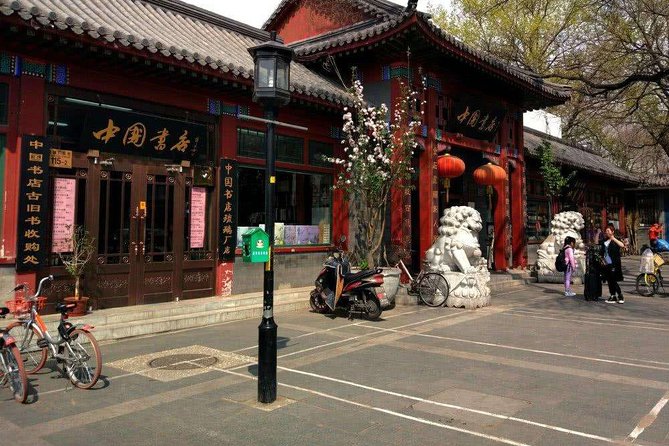
After tea street, you switch gears to Liulichang Cultural Street. This is the kind of Beijing place that feels older and more purpose-built for craft objects and paper culture. You will be in downtown area, in a long-established quarter known for stone dwelling houses and traditional-style selling.
Liulichang is especially good if you like items that connect to writing and collecting. The street is known for handicrafts, artistry, antiques, and most particularly ancient books, calligraphy, paintings, rubbings, and what the tour describes as the scholar’s four jewels: writing brush, ink stick, ink slab, and paper.
What makes this stop worth your time
Tea markets teach you the language of everyday commerce. Liulichang teaches you the language of collecting. Even if you do not buy, the street gives you context for why these objects matter in Chinese cultural life.
Also, admission for this part is listed as free. So you are paying for the guided time and the experience, not another ticket hurdle.
A realistic way to shop (or not shop) here
Liulichang is the better place to browse without feeling rushed. If you want one or two meaningful items rather than a big haul, set a simple goal, like buying a small calligraphy-related item or checking out one category of collectibles, then stop.
Because there is no meal included, this is also where you may want to pace yourself if you have already spent time sampling tea earlier. You can keep it light, enjoy the street, then eat when you finish.
The tea ceremony: why the included cultural moment matters
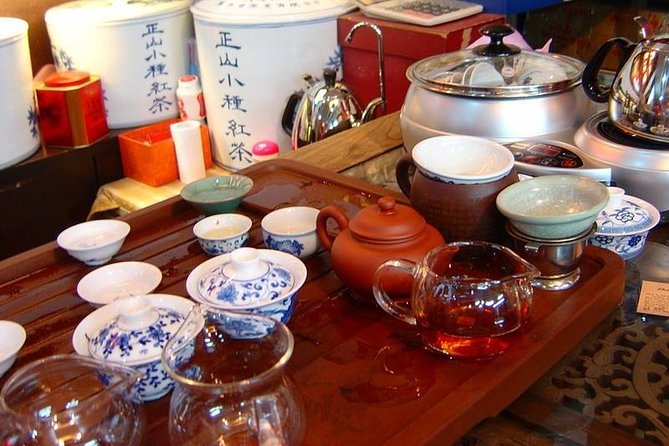
One of the included items is a tea ceremony. Even though the word ceremony can sound formal, in this setting it is practical. It gives you a structured break from the shopping noise and helps you understand the tea experience beyond taste buds.
I like included cultural moments for one simple reason. You avoid buying randomly. When you understand how tea is treated as a ritual and not only a product, you tend to ask better questions at the stalls.
If you are shopping, this can also sharpen your “what am I really buying?” instinct. Tea type matters, yes, but how it is presented and explained can guide your choice when you are comparing shops.
Guides, pickup, and small-group comfort that actually helps
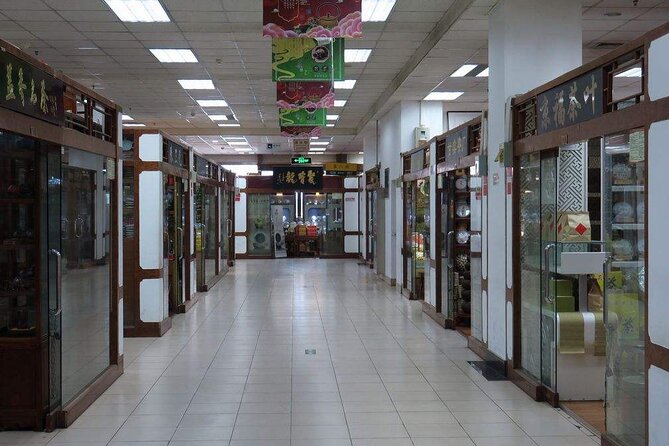
The tour includes hotel pickup by car and is set up to be easy to start. You meet your guide in the hotel lobby, and you get taken to the first stop.
The guide matters because these markets are not just about walking. Maliandao is built for bargaining, and Liulichang has a specific cultural focus tied to scholar arts and antiques. A professional guide helps you keep momentum and avoid losing time.
With a maximum of 15 travelers, it is also easier for your group to stay together. In a bigger crowd, you can end up chasing the guide or waiting for the slowest shopper to finish negotiating.
If you like a balance of freedom and structure, this fits that style well.
What you should bring (and what to skip)
This is an outdoor-plus-shop experience, with time spent walking along market streets. Wear shoes you can handle for a few hours, because even “half-day” markets create lots of small movements.
Bring:
- Small bills or cash for bargaining, if you plan to buy tea.
- A light bag you can manage while browsing.
- Any preferences written down, like tea types you want to focus on.
Skip over-packed planning. In these markets, your best shopping usually happens when you respond to what owners explain and what you taste. Let the tea stops set your direction, then use Liulichang for quieter browsing and selective buys.
Who this tour is best for
I think this tour fits best if you want:
- A practical introduction to Beijing tea culture through tasting and bargaining.
- A chance to shop for tea plus a second market that feels more arts-and-books focused.
- A guided route so you do not waste time trying to work out where to start.
It is also a good match for first-time visitors who want local-market energy without turning it into a full day. If you already know exactly what tea you want and you hate bargaining, you might find Maliandao a bit more interactive than you planned.
Should you book this Maliandao and Liulichang tour?
Yes, if you want a smart half-day mix of tea tasting plus culturally themed browsing. The included guide, tea ceremony, and pickup make it less work to enjoy than trying to stitch the two markets together on your own, especially if you do not want to spend hours figuring out the best stalls.
I would think twice if you hate bargaining or you want unhurried browsing with no time pressure. With about 3 to 4 hours, you will likely need to choose what you care about most.
FAQ
FAQ
What are the main places this tour visits?
You visit Maliandao Tea Street and Liulichang Antique Market (Liulichang Cultural Street).
How long is the tour?
It runs about 3 to 4 hours.
What time does the tour start?
The start time is 9:00 am.
Is hotel pickup included?
Yes. Hotel pickup service is included, using a car.
Does the tour include a tea ceremony?
Yes. Tea ceremony is included.
Are admission tickets included for both stops?
For Maliandao Tea Street, the admission ticket is included. For Liulichang Street, admission is free.
What tea can I expect to try at Maliandao?
The tour includes tasting different tea types such as green tea, oolong tea, black tea, pu-erh tea, and white tea.
How big is the group?
The maximum group size is 15 travelers.
Is the tour easy to join for most people?
The tour says most travelers can participate, and it is near public transportation.
What if the weather is bad?
The experience requires good weather. If it is canceled due to poor weather, you will be offered a different date or a full refund.
What is included in the price, and what is not?
Included items are local taxes, a professional guide, a tea ceremony, and hotel pickup service. Not included are personal expenses and meals.
Newly Listed Tours in Beijing
- Beijing Half Day Walking Tour-Tiananmen Square and Forbidden City★ 5.0 · 1 review
- 1-Day Beijing private English speaking guide with driver service★ 5.0 · 1 review
- Flexible Private Layover Beijing Night Sightseeing with English Speaking Driver★ 5.0 · 1 review
- Private Day Trip to Huaibei International Ski Resort and Mutianyu Great Wall★ 5.0 · 1 review
- 2-Day Customizable Beijing Highlight Tour with Airport Transfer Option★ 5.0 · 1 review
- 1-Day Beijing Private tour: Mutianyu Great Wall and Summer Palace★ 5.0 · 1 review
- Private Virtual Tour in Beijing★ 4.0 · 1 review
- 1-Way Private Transfer Service between Tianjin cruise Port and Beijing hotels★ 5.0 · 1 review
Markets, compared.
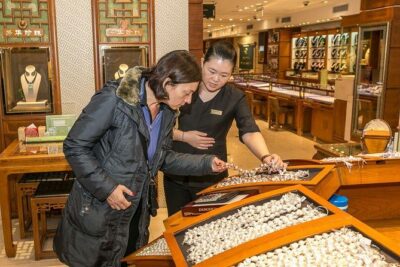
Private Beijing Markets Tour with Tea Tasting at Hongqiao Pearl Market
Read our review →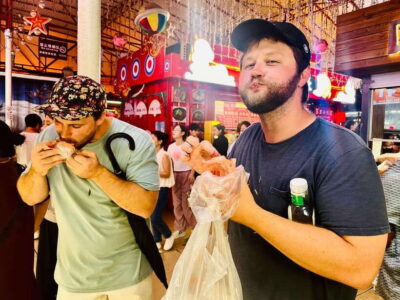
Night Market Haggling Adventure with an English Guide!
Read our review →
6-Hour Private Beijing Tour: Flower and Fish Market, Panjiayuan Antique Market and 798 Art Zone
Read our review →
Lama Temple, Hutong and Silk & Pearl Market Private Day Tour
Read our review →
Private Tour to Pearl Market Acrobatic Show & Peking Duck Dinner
Read our review →
Vegan Home Cooking & Local Market Tour with Sanxia
Read our review →
Full-Day Private Tour Panjiayuan Antique Market and Beijing Capital Museum
Read our review →Browse the lists this tour appears in