Reviewed · PRIVATE
Private China Tour to Beijing, Xi’an, Zhangjiajie and Shanghai
Skyline squares meet cliff-top glass views. This private 11-day China tour knits together the big-name hits, including the Great Wall at Badaling and the Terracotta Army, with the kind of planning that saves you from daily logistics headaches. I also like the steady handoffs, since your guide and driver meet you at key moments, like the airport and major stations, so you are not constantly figuring out what comes next.
I love the way the route balances palace scale with street-level Beijing, starting with Tiananmen Square, then the Forbidden City, and finishing with a Hutong rickshaw ride through Shichahai lanes. The tour also builds in real breaks, with breakfast for 10 days and lunch included on 6 days, plus two bottled waters per person each day.
One consideration is the sheer jump from region to region in 11 days, including a high speed train and two internal flights. If you want lots of downtime or you get cranky with early starts, this schedule can feel packed.
In This Review
- Key highlights to know before you go
- A route that moves fast, but in a smart way
- Beijing: Tiananmen, Forbidden City, Shichahai Hutongs, Temple of Heaven
- Badaling Great Wall plus Ming Tombs, then a Bird’s Nest photo moment
- Summer Palace, then the high speed train to Xi’an
- Xi’an: Terracotta Warriors done right, plus the Small Goose Pagoda
- Xi’an City Wall, Great Mosque, Muslim Quarter, and Han Dynasty history at Hanyangling
- Flying to Zhangjiajie: the “Avatar” floating mountains angle
- Zhangjiajie walking days: Grand Canyon, Golden Whip Brook, and Tianmen Cave
- Shanghai in a single day-by-day hit list: Yu Garden, cruise on the Huangpu, the Bund, Tianzifang
- What the price covers, and where you should budget extra
- Tour rhythm, ticket pacing, and how to avoid the common mistakes
- Who this private tour fits best
- Should you book this private China tour?
- FAQ
- How long is the private tour?
- Which cities are included?
- Is this tour private or shared with other groups?
- What transport is included between cities?
- Are attraction admission tickets included?
- How many meals are included?
- Can the tour accommodate a vegetarian diet?
- What is the cancellation policy?
Key highlights to know before you go
- Badaling Great Wall plus Ming Tombs gives you both the wow factor and the imperial backstory in one day.
- Forbidden City and a Shichahai Hutong rickshaw mix grand architecture with everyday old Beijing.
- Terracotta Warriors with a structured museum visit keeps you oriented in the pits and weapons displays.
- Zhangjiajie is built around the “Avatar” views (think Yuanjiajie and the Southern Sky Column area) and includes the No.1 glass bridge promise.
- Shanghai is condensed but complete, with Yu Garden, a Huangpu River cruise, and time on the Bund.
A route that moves fast, but in a smart way
This tour is designed like a greatest-hits circuit, but it is not a slapdash whirlwind. The “private” part matters because you are not sharing your day with random strangers who want different things, or chasing information through a crowd. The tradeoff is pace: you will see a lot, and most days start with a guided plan.
What makes it feel efficient is the way it uses transport at the right moments. You ride a high speed train from Beijing to Xi’an, then you fly from Xi’an to Zhangjiajie, and later fly again to Shanghai. That avoids long overland days and keeps your time for actual sites, not just transit.
Also, this tour is rated 4.9 with a strong 100% recommendation signal across multiple reviews. That is usually a sign that guides, timing, and on-the-ground organization are working the way they should.
Beijing tours travelers are booking next
Beijing: Tiananmen, Forbidden City, Shichahai Hutongs, Temple of Heaven
Beijing starts with an easy landing and immediate direction. On Day 1, you meet your local guide after you clear customs and reclaim luggage, then the driver takes you to your hotel and helps with check-in. That first-day structure is a small thing that pays off, especially if you arrive tired.
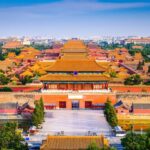
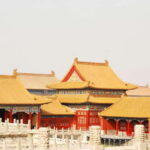
Day 2 is the “big geometry of power” day. You begin at Tiananmen Square, a massive civic space where you can get your bearings fast. Then you head into the Forbidden City, also called the Palace Museum, for a long enough visit that you are not just snapping photos and leaving.
The standout here is how Day 2 slows down after all that imperial scale. In Shichahai, you get a rickshaw ride through Hutongs for about 40 minutes, which is a practical way to see alley life without walking every single lane. Afterward, the Temple of Heaven adds variety, since it is tied to imperial worship rituals, and it still feels like an important Beijing landmark rather than a quick photo stop.
Practical note: Tiananmen Square and many surrounding areas are often managed for crowd flow. Your guide’s job is not just pointing, it is keeping your day efficient, so you spend time at the right places when you need it.
Badaling Great Wall plus Ming Tombs, then a Bird’s Nest photo moment
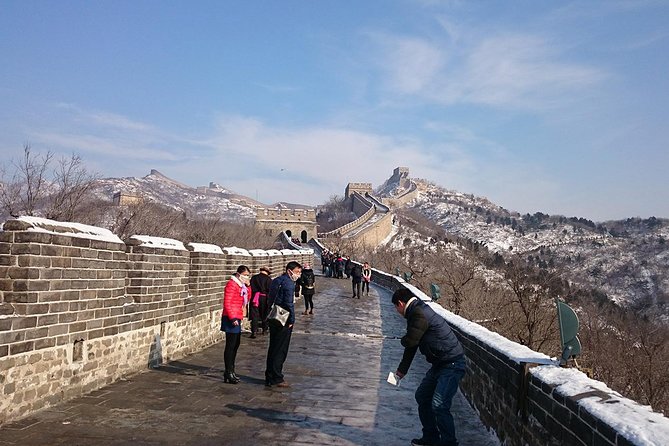
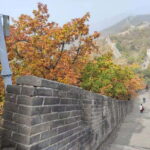
Day 3 is the classic Great Wall formula, with one key benefit: you do not just visit the wall, you build the surrounding context. Badaling Great Wall is where you get the famous stretched, watchtower-by-watchtower view, standing on the stone and seeing how far it runs.
After that, you move to the Ming Tombs, the resting place of 13 Ming emperors. The tour focuses on two highlights: the Sacred Way and the Dingling Tomb. That combination gives you both the approach (the ceremonial path) and an actual tomb experience, which helps the Great Wall day feel connected instead of random.
On the way back, you also get a quick pass-by at the Bird’s Nest National Stadium for photos. This is not a full stop, and the admission is not included, but if you want a memory of the Beijing Olympics landmark, it is a painless add-on that does not steal your day.
If you are sensitive to walking on uneven stone, plan for extra comfortable shoes. The wall areas are not made for fashion footwear.
Summer Palace, then the high speed train to Xi’an
Day 4 starts with the Summer Palace, one of the largest existing imperial gardens. The good part here is that you are not just staring at buildings. You are in a designed landscape with water and major structures, which helps break up the “palaces and tombs” theme from the earlier days.
Then you transition into Xi’an. The tour sends you to the railway station and you take a high speed train to Xi’an, where a local guide and driver pick you up at the station and bring you to the hotel. That handoff is key. You avoid the stress of dragging luggage through transit hubs while trying to remember where your meeting point is.
Because dinner is not listed as included, you will likely choose meals on your own in Xi’an, which is usually good. It gives you flexibility, especially if you are starting to develop preferences after a few days of similar menus.
Xi’an: Terracotta Warriors done right, plus the Small Goose Pagoda
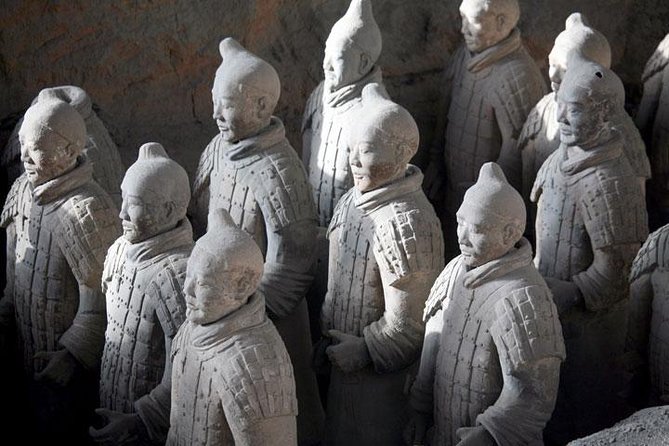
Day 5 is where Xi’an earns its reputation. You visit the Qin Terra-cotta Warriors and Horses Museum, and the structure is clear: there are three excavated pits, plus displays of ancient weapons. Plan on spending real time here, because you will be looking at details and trying to understand what each section represents.
After lunch, you head to the Small Wild Goose Pagoda and the adjacent Xi’an Museum. This is a nice contrast to the warriors. A pagoda day does not just mean a tall structure, it means you slow down and see Xi’an’s layered past in a different format.
If you enjoy seeing how cities change around ancient monuments, you will like the way these sites cluster. The tour keeps the day coherent: monumental ground-level history, then a more contained cultural stop.
Travelers who read this also booked these.
- From Beijing: Mutianyu Great Wall Tours with Options★ 4.9 · 9,216 reviews
- All-Inclusive Tour: Tiananmen Square, Forbidden City, Great Wall★ 5.0 · 2,873 reviews
- MuBus: Mutianyu Great Wall ENG/ESP/RUS Guided Bus Tour★ 5.0 · 2,361 reviews
- 4-Hour Small Group Tour to Forbidden City with Entry Tickets★ 5.0 · 1,863 reviews
Xi’an City Wall, Great Mosque, Muslim Quarter, and Han Dynasty history at Hanyangling
Day 6 spreads out Xi’an in a thoughtful way. You start with Xi’an City Wall Park for an observation-style look at daily local life, then visit the City Wall itself. Even if you do not walk the entire fortification, the experience is valuable because you get a sense of how defensive architecture shaped city life.
Next is the Great Mosque of Xi’an, which brings Islamic architectural features into the mix. Then you move near the Muslim Quarter where you can stroll freely, and the tour says it can include a snack tour at a popular restaurant. That is one of the best ways to experience the neighborhood without needing a master plan for where to eat.
In the afternoon, you visit the Tomb of Emperor Jingdi (Hanyangling), also called the Han Yang Ling Museum. The focus is on the excavated areas, which can feel more “discovery-like” than a fully polished monument because you are seeing what has been unearthed.
This day is a strong match for travelers who like variety. It is also a good reminder that Xi’an is not only a “warriors city.” It is a crossroads.
Flying to Zhangjiajie: the “Avatar” floating mountains angle
Day 6 ends with a flight to Zhangjiajie. The tour has you escorted to the airport, then your driver picks you up on arrival and transfers you to your hotel. That means you do not waste your first Zhangjiajie evening wrestling with transport.
Day 7 is a full day in Zhangjiajie National Forest Park. You take the Bailong Elevator to the Yuanjiajie area, which is associated with the Southern Sky Column viewpoints. This is where the tour’s “Avatar floating mountains” framing fits naturally, because the famous needle-like formations are the visual star of this region.
Day 7 is also where you get the “No.1 glass bridge” style promise mentioned in the overview. The itinerary does not list the bridge as a standalone item in the day breakdown you provided, but the tour description clearly positions it within your Zhangjiajie experience. If you care a lot about doing it, ask your guide early in the day so you know how it fits your exact route.
For anyone worried about heights, this is the day to decide how you want to handle exposure. You do not have to force yourself onto every platform, but you should understand that the park is built around views.
Zhangjiajie walking days: Grand Canyon, Golden Whip Brook, and Tianmen Cave
Day 8 continues the park theme with the Grand Canyon of Zhangjiajie. The description emphasizes a mix of mountains, caves, and water. That variety matters because it keeps your eyes fresh. If you only do one kind of viewpoint all day, you can get “view fatigue.” This one helps prevent that.
Then you go for Golden Whip Brook, including a scenic-car entry and a relaxing hike along the stream. The hike is described as about 7.5 kilometers, so you should be comfortable with sustained walking. The good part is that it is framed as a more gentle scenic walk compared to the more intense viewpoint zones.
Day 9 shifts you to Tianmen Mountain National Forest Park, the highest mountain in Zhangjiajie. The big name is Tianmen Cave, which is why the mountain is called Tianmen. You also have the option to climb the well-known 999 stairs if you are energetic enough. If stairs are not your thing, you might still enjoy the day through viewpoints that do not require that climb, but the itinerary only explicitly highlights the stairs as an option.
After Tianmen, you fly to Shanghai in the evening. That is a practical way to avoid a full daylight travel day. Just remember that airports can feel busy, and timing can be tight if you try to pack in one last shop stop.
Shanghai in a single day-by-day hit list: Yu Garden, cruise on the Huangpu, the Bund, Tianzifang
Shanghai starts on Day 9 with arrival and a transfer to your hotel. Day 10 then lays out a classic sampler with several high-value stops.
First is the Shanghai Urban Planning Exhibition Hall. This is not a flashy attraction, but it is useful because it gives you context for what you are seeing later, especially in how the city grew from a fishing village into a modern metropolis. If you like understanding a place instead of only photographing it, this hall is worth your time.
Then you visit Yu Garden (Yuyuan), a garden with over 400 years of history, plus walking around the Yuyuan Bazaar area outside it. Gardens in China often reward patience. If you rush, you miss details.
Next is lunch, then a Huangpu River cruise. The cruise is framed as showing both Chinese and Western architectural styles along the river, including modern skyscrapers. It is also one of those experiences where the best part is the pacing. Sitting and watching is a different kind of Shanghai overview than wandering on foot.
After that, you get time for the Bund. The itinerary explicitly builds in free exploration time, about an hour, which is a good sanity check if you want to photograph or just absorb the scene without a constant script.
Finally, you end with Tianzifang, described as a cultural street in old lanes. It is a nice way to finish on a more human scale after the riverfront and big skyline views.
Day 11 is simply check-out and head to your homeward flight, with your driver and guide escorting you.
What the price covers, and where you should budget extra
At $2,999 per person for an 11-day private route, the value mostly comes from two things: the structure and the transportation method. You are paying for guided time plus drivers plus city-to-city movement. You are not trying to stitch together four regions on your own.
Included items that matter:
- Hotel accommodation in twin-sharing rooms
- One-way economy-class airfare from Xi’an to Zhangjiajie, and from Zhangjiajie to Shanghai (as described)
- Professional guide and experienced driver throughout the guided segments
- Air-conditioned vehicle
- Breakfast (10) and lunch (6)
- Two bottled waters per person per day
- Mobile ticket and pickup offered
Things you should budget outside:
- Gratuities to guides and drivers are recommended
- China visa fees and international airfare are not included
- The tour is not suitable for people over 80 years old, based on the provided details
Also, note the “admission ticket included/free/not included” pattern. Some major sites are included, like the Forbidden City and Terracotta Warriors. Others are listed as free or not included, like the Bird’s Nest photo stop. So you should not assume every single admission is handled.
The most practical way to think about the cost is this: you are buying fewer planning decisions and more time seeing what you came for.
Tour rhythm, ticket pacing, and how to avoid the common mistakes
This tour runs on guided momentum, so your job is to show up ready. The meeting point listed is Capital Airport Shunyi, Beijing, with a start time of 9:00 am. That matters if you are trying to align arrival time, especially across time zones.
Here are smart, low-effort ways to make it smoother:
- Wear comfortable shoes from Day 1. You have walking and outdoor time in multiple cities.
- If you want vegetarian meals, request the option when booking. The tour says it is available if you advise in advance.
- Keep your passport handy and make sure it is valid on travel day, since passport details are required at booking.
- Expect a mix of included meals and your own choices. With 6 lunches included, you will still have some flexibility.
One more tip: you will be moving across China fast, so you may want a simple daily packing system. Think one small day bag for tickets, water, and essentials, and keep your main luggage stable at the hotel.
If you do not like tight schedules, this still might work, but you will need to embrace the idea that “free time” is built into specific slots, like the Bund and parts of neighborhood exploring.
Who this private tour fits best
This tour is best for you if you want a guided route that tackles the major icons without DIY headaches. It also fits travelers who like variety, because it jumps from imperial Beijing to Xi’an fortifications and mosques, then to Zhangjiajie mountain scenery and finally Shanghai urban highlights.
It is also a good choice if you value planning support. The private format means your guide can better manage timing for your group, and you are not constantly negotiating what to do next.
If you are the type who wants long unstructured days and to linger everywhere, you might feel the schedule pressure. In that case, you could consider removing one city from a different tour format, or booking fewer main attractions elsewhere.
Should you book this private China tour?
I would book this if your priority list looks like Great Wall, Terracotta Warriors, Zhangjiajie views, and the Bund, and you want most of the hard parts handled. The combination of private guidance, included hotel stays, and the use of high speed train plus internal flights makes the itinerary feel realistic for 11 days.
I would pause if you are booking mainly for relaxed travel. This is efficient, not slow. The pace across four regions is the tradeoff, and some days have long outdoor walking, especially in Zhangjiajie.
If your group is at least two people, this private setup also tends to feel more worthwhile because you share cost while keeping flexibility.
If you want confidence that the organization works, the 4.9 rating and strong recommendation signal are exactly the kind of data point you want to see.
FAQ
How long is the private tour?
The tour is listed as 11 days (approx.).
Which cities are included?
The itinerary covers Beijing, Xi’an, Zhangjiajie, and Shanghai.
Is this tour private or shared with other groups?
It is a private tour/activity and only your group participates.
What transport is included between cities?
The tour includes one-way economy-class airfare from Xi’an to Zhangjiajie to Shanghai (as described). It also includes a high speed train transfer from Beijing to Xi’an.
Are attraction admission tickets included?
Many admissions are marked as Included in the itinerary, while some are free (like Tiananmen Square) and some are not included (for example, the Bird’s Nest photo stop is listed as not included).
How many meals are included?
The tour includes breakfast (10) and lunch (6).
Can the tour accommodate a vegetarian diet?
A vegetarian option is available, and you should advise at the time of booking.
What is the cancellation policy?
The experience is non-refundable and cannot be changed for any reason. If you cancel or ask for an amendment, the amount paid is not refunded.
Newly Listed Tours in Beijing
- Beijing Half Day Walking Tour-Tiananmen Square and Forbidden City★ 5.0 · 1 review
- 1-Day Beijing private English speaking guide with driver service★ 5.0 · 1 review
- Flexible Private Layover Beijing Night Sightseeing with English Speaking Driver★ 5.0 · 1 review
- Private Day Trip to Huaibei International Ski Resort and Mutianyu Great Wall★ 5.0 · 1 review
- 2-Day Customizable Beijing Highlight Tour with Airport Transfer Option★ 5.0 · 1 review
- 1-Day Beijing Private tour: Mutianyu Great Wall and Summer Palace★ 5.0 · 1 review
- Private Virtual Tour in Beijing★ 4.0 · 1 review
- 1-Way Private Transfer Service between Tianjin cruise Port and Beijing hotels★ 5.0 · 1 review
Private, compared.
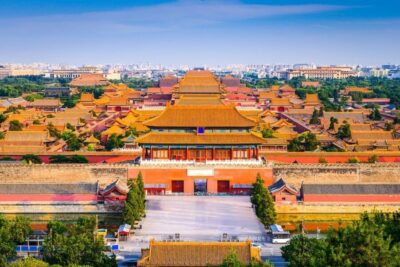
Forbidden City Tour(Group/Private)-Tickets Included
Read our review →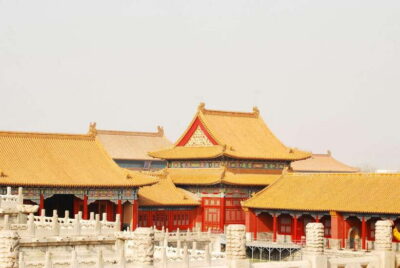
T-Square & Forbidden City Group or Private Tour
Read our review →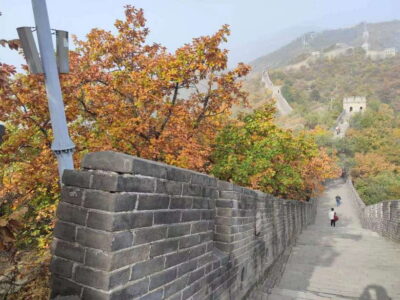
Mutianyu Great Wall Private Trip with English Driver
Read our review →
Private Mutianyu Great Wall Trip with English-Speaking Driver
Read our review →Private Mutianyu Great Wall Trip With English-Speaking Driver
Read our review →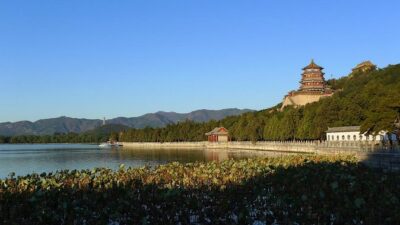
Mutianyu Great Wall&Summer Palace Excursion:Group/Private Options
Read our review →
Private Beijing Walking Tour of the Forbidden City with 7 Options
Read our review →