
Reviewed · HUTONG WALKS
Beijing: Hutongs & Food & Culture Walking Tour
That first turn into a hutong feels like time travel. This walking tour traces everyday Beijing through narrow lanes, old siheyuan courtyard houses, and local food stops, with breaks for culture like tea and crafts. If you want a grounded view of how people live in older neighborhoods, this one is built for you.
I especially like how the Beijing Capital Museum guided visit adds context before you step into the hutongs, so the streets feel less like a postcard and more like a place with meaning. I also like the mix of sights and slow moments, tea service and craft demos like paper cutting and calligraphy, not just “walk and photo.” A possible drawback: food and drinks are not included, so you’ll want to budget for snacks and you should be ready for some walking over uneven surfaces.
In This Review
- Key Things to Know Before You Go
- Hutongs, Siheyuan, and Why This Walk Feels Real
- Choosing Your Starting Point: Gulou, Capital Museum, or Shichahai
- Beijing Capital Museum: Getting Your Bearings Before the Hutongs
- Nanluoguxiang and Shichahai: Two Hutong Moods in One Route
- Street Food You’ll Actually Want to Plan For (Jianbing to Douzhi)
- Teahouse Tea Ceremony and Craft Demos: Culture With Texture
- Rickshaw Ride and Home Visit: Extra Access, Extra Consideration
- Logistics That Affect Your Comfort During a Hutong Walk
- Price and Value: Why This One Can Be a Bargain
- Should You Book This Hutongs, Food, and Culture Tour?
- FAQ
- How long is the Beijing Hutongs and Food and Culture Walking Tour?
- Where can I start the tour?
- Is museum admission included, or do I need to book it in advance?
- What languages are the guides available in?
- Are food and drinks included in the price?
- Do I need to bring my passport?
- Can I use a flash or tripod for photos?
- Is the tour wheelchair accessible?
Key Things to Know Before You Go
- Old Beijing hutong lanes: narrow, winding lanes with courtyard houses that help you understand daily life beyond landmarks
- Two neighborhood styles: Nanluoguxiang for traditional streets plus shops and cafes, Shichahai for calmer lake views
- Classic street food options: jianbing guozi, tanghulu, and douzhi, with chances to buy what you want
- Teahouse culture time: a tea master-led ceremony featuring jasmine tea or oolong
- Hand skills and performance culture: paper cutting, calligraphy, and you may catch a snippet of Peking Opera nearby
- Choose your access level: some bookings add a rickshaw ride and a home visit, if that option is selected
Hutongs, Siheyuan, and Why This Walk Feels Real
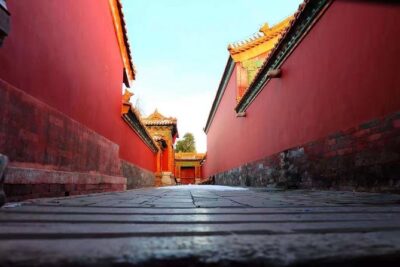
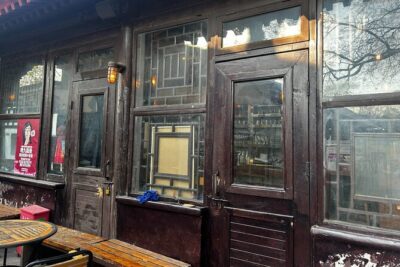
Hutongs are not just narrow streets. They are the city’s social structure, shaped by siheyuan courtyards where families lived closely, organized around shared spaces, and watched neighborhood life unfold day to day. On this kind of route, you start noticing details you’d normally miss, like how the lane bends, how doors sit along the walls, and how the courtyard layout changes what you hear and see.
That matters because Beijing can feel split between “historic” and “modern.” Here, the experience keeps you grounded in the in-between zone where old residences still influence daily rhythm. You’ll see the traditional look that travelers love, gray tiled roofs and red doors with brass knockers, but you also get a sense of why these places worked for generations, how courtyards create shade, privacy, and community.
One thing to keep in mind: hutong streets can be tight, and you may be moving at walking pace around small groups. If you want lots of big, dramatic views, this is not that. This tour rewards people who like texture and close-up details, the kind that make a city feel like a living place.
Duck through the old alleyways
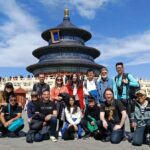

Choosing Your Starting Point: Gulou, Capital Museum, or Shichahai
You get three starting choices, and that changes how you’ll feel during the day.
If you start near Gulou, you’re likely closer to the pulse of central older districts, which can be useful if you want hutong life plus an easy transition into busier streets. Starting at Shichahai often sets a calmer tone early, since the area around the lake is known for relaxing, watching local routines, and taking in willow-lined views.
The third option is starting at the Beijing Capital Museum, which is special because it includes a guided visit that runs about three hours. This approach is great if you like understanding context before you step into neighborhoods. Instead of jumping straight into streets, you’re trained on what to look for: everyday objects, history cues, and cultural patterns that make the hutong scenery click.
If you’re short on time, the day can still feel complete since the full experience is planned for 3 to 6 hours depending on your selected option and pace.
Beijing Capital Museum: Getting Your Bearings Before the Hutongs
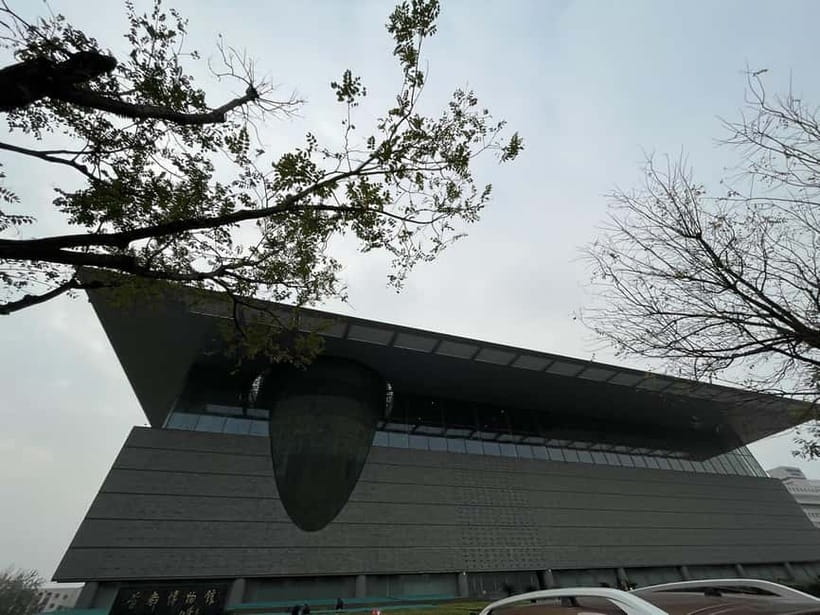
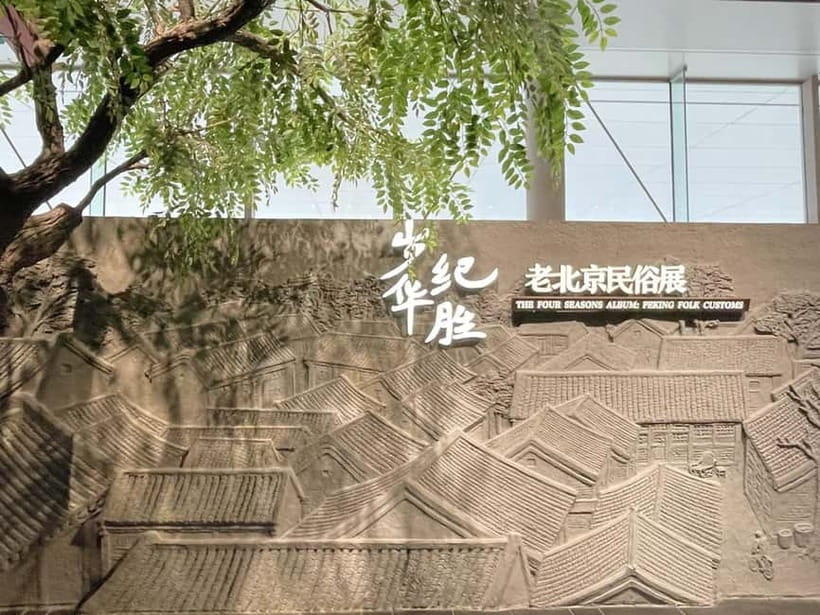
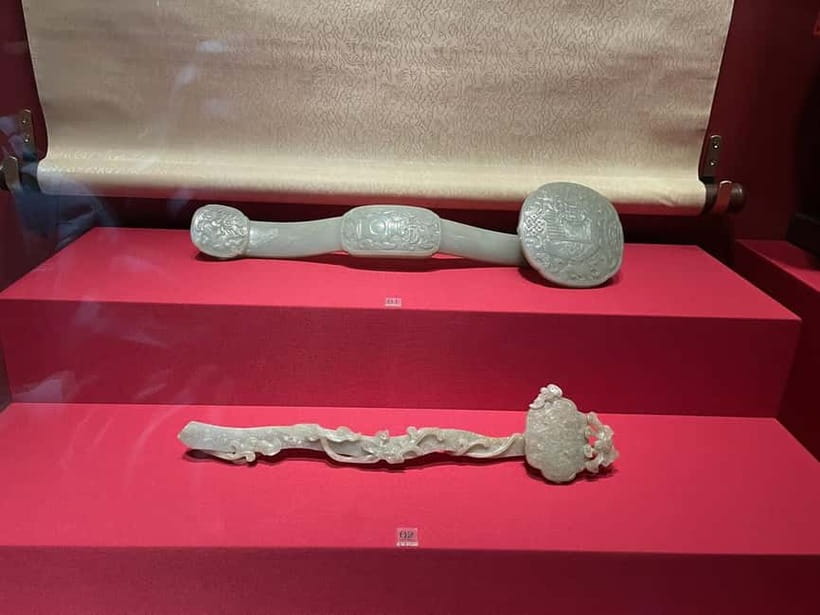
A guided visit at the Beijing Capital Museum is a smart move in a city where “old Beijing” can feel like a blur. The museum portion gives you a framework, so when you later see courtyards and neighborhood design, it’s easier to connect the visuals to real life patterns.
The museum time is described as around three hours with a guided tour, and entry is handled so you can skip long lines. The payoff is not just information. It changes your eyes. You’ll likely find yourself noticing how everyday culture shows up in housing style, neighborhood organization, and even the kinds of crafts and art you might run into later on the walk.
One practical note: museums are big and can involve lots of indoor walking. If you’re already heat-tired or jet-lagged, you may want to pick a later starting option like Shichahai. But if you enjoy museums, this adds real value.
Nanluoguxiang and Shichahai: Two Hutong Moods in One Route
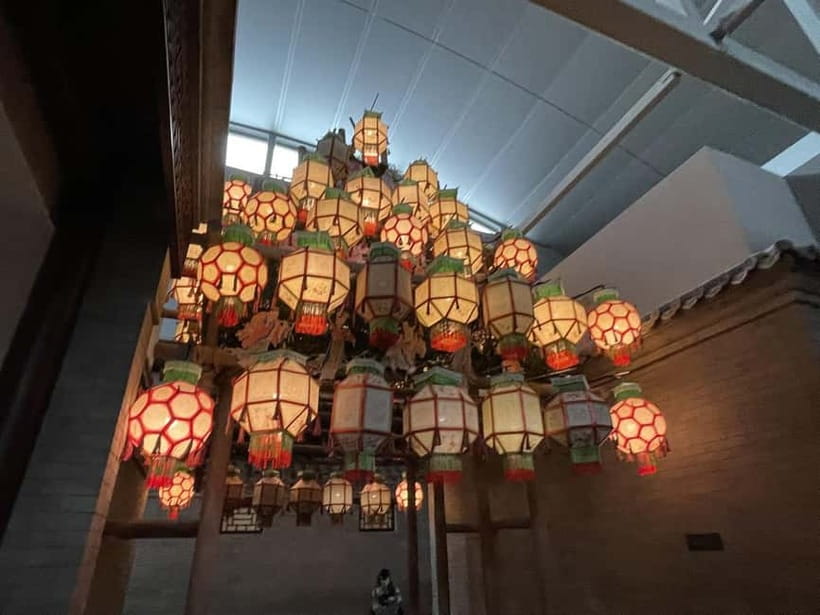
This tour commonly moves through areas such as Nanluoguxiang and Shichahai. The two places complement each other.
Nanluoguxiang has that classic hutong vibe but with a modern edge. You’ll see ancient-style streets alongside boutique shops and cafes, which can be a good compromise if you want the look of old Beijing without feeling cut off from convenience. It’s also where you’ll likely feel more visitor energy, so it’s great for taking breaks, grabbing snacks if you want them, and people-watching.
Shichahai gives a different mood. Around the lake, you can get a slower rhythm, with chances to observe locals relaxing, including kite flying by the water. The lakeside setting also makes it easier to reset between food stops and cultural visits. If you like photo moments, this is where you’ll often find better “breathing space” than inside tight lanes.
Think of the route as a story arc. You start with structured context, then you walk the neighborhood lines, then you end near a calmer scene where the city feels less hectic.
Street Food You’ll Actually Want to Plan For (Jianbing to Douzhi)
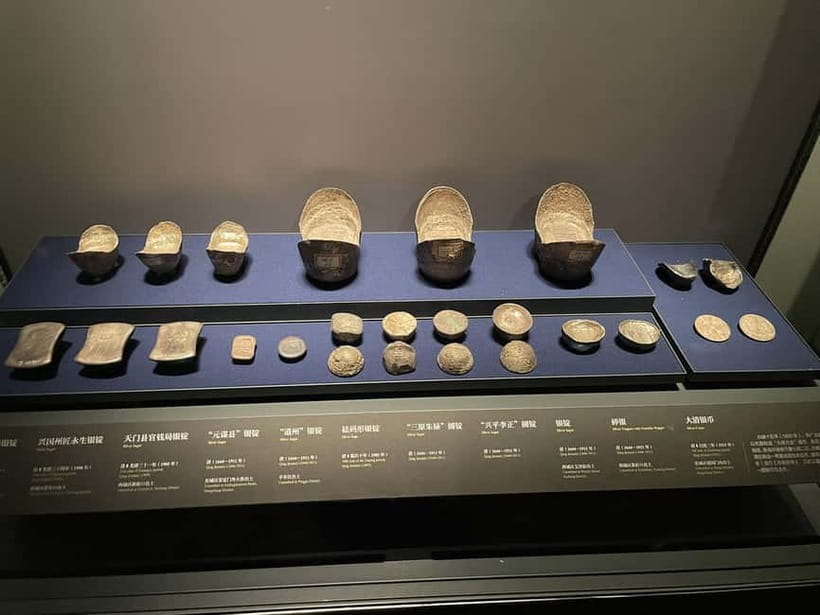
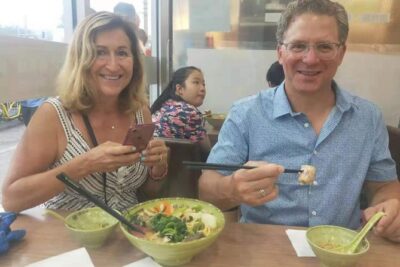
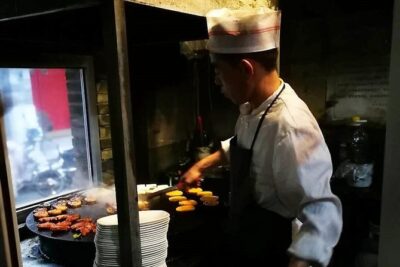
Food is a huge part of any hutong day, and this experience is clearly built around that. The catch is important: food and beverages are not included, so you’re not getting a set menu. Instead, you follow aromas and opportunities, then buy what you want.
Here are the specific classics mentioned for you to look for and choose from:
- Jianbing guozi: a crispy fried crepe style snack filled with egg, scallions, and savory sauce, often topped with crunchy bits
- Tanghulu: candied hawthorns on a stick, sweet and tangy, good for a quick sugar fix
- Douzhi: fermented mung bean soup with a distinct tangy flavor, often paired with youtiao (fried dough sticks) and preserved vegetables
My advice: treat street food as your “fuel with character,” not a full meal plan. Since you may be walking for hours, start early with something more filling like jianbing, then use tanghulu as a small dessert-style stop. If you’re curious about douzhi, go for it, but be ready for the tang and the fermented flavor profile.
Also, since flash photography is prohibited and tripods are not allowed, you’ll probably be photographing casually or saving photos for less crowded moments. The best street food moments often happen fast, so keep your hands free and your timing simple.
Diet note: the specific items listed are not vegetarian or meat-based by default, but ingredients vary by stall. You should ask the guide or vendors if you have restrictions, since the tour doesn’t list ingredients beyond the names.
Where to eat and drink next
- Beijing: Hidden Gems Guided Food Tour with Beer and Tastings★ 4.9 · 306 reviews
- Beijing Private Hutong Food Walking Tour★ 5.0 · 299 reviews
- Beijing Hutong Breakfast Food Tour★ 5.0 · 155 reviews
- Beijing Hutong Breakfast Food Tour★ 5.0 · 120 reviews
Teahouse Tea Ceremony and Craft Demos: Culture With Texture
One of my favorite parts of this kind of tour is when it slows down just enough to feel like you’re learning something, not just passing by it. Here, that happens in a teahouse setting, where a tea master guides a tea ceremony.
You may be served jasmine tea or oolong, based on what’s offered during the session. The value of this stop is that it teaches you how tea culture works as a social practice. You’re not just tasting a drink; you’re learning the rhythm, how tea is presented, and why the ritual matters in daily Chinese life.
After that, you might also run into folk craft workshops, including:
- Paper cutting: delicate patterns that symbolize good luck and prosperity
- Calligraphy: characters written with brush and ink
And if you’re lucky, you may catch a snippet of Peking Opera from a nearby venue. You should treat that as a bonus, not a guarantee, because schedules vary. Still, even a short glimpse can help you connect the idea of performance art to the city’s street-level culture.
The smart way to use these stops is to ask a question or two while you’re there. Since the guide speaks multiple languages, including English, you can usually get practical answers about what you’re seeing.
Rickshaw Ride and Home Visit: Extra Access, Extra Consideration
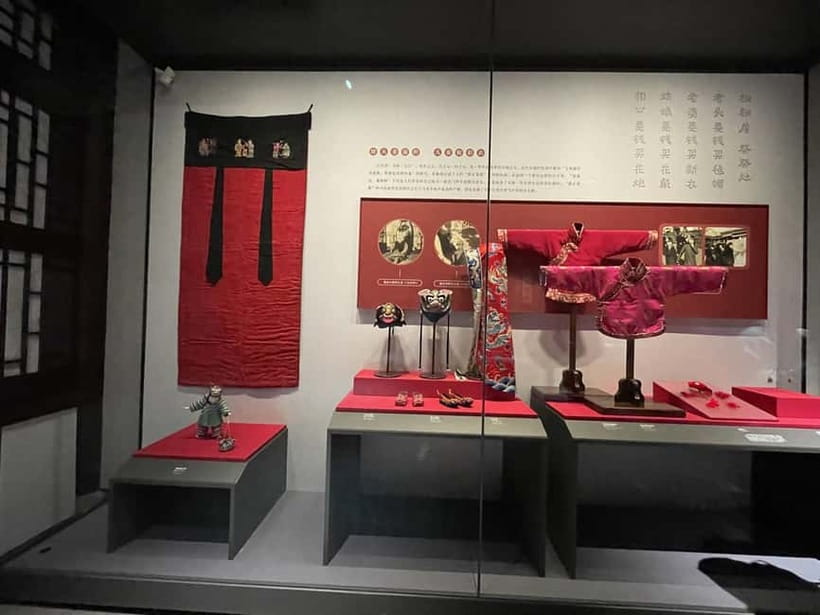
Some bookings include a rickshaw ride and a home visit. If you select that option, the experience can feel more personal, because you’re moving beyond public streets into a space connected to everyday living.
A rickshaw ride also changes your pace. You see lanes and turning points without the same intensity of foot travel, which can be helpful if you want the hutong feel but you don’t want your day to be only on your feet.
For the home visit piece, keep expectations respectful and low. You’re stepping into someone’s living environment. Follow the guide’s instructions, speak quietly, and avoid treating it like a photo set. If you’re the type who loves “how people live,” this option can be the highlight.
If your booking does not include it, you’ll still get hutong walking, museum context, food opportunities, and cultural stops. It just won’t include that more intimate access.
Logistics That Affect Your Comfort During a Hutong Walk
This is built as a 3 to 6 hour activity, so comfort planning matters.
What to bring:
- Your passport (or an ID card)
- Be ready to share your passport information in advance since museum admission needs to be booked online
The tour also has some clear rules:
- No luggage or large bags
- Pets are not allowed (assistance dogs are allowed)
- Flash photography is prohibited
- Tripods are prohibited
- No smoking indoors, no littering, no making fire, and no making noise
Those rules affect how you pack and how you take photos. If you’re carrying a backpack, keep it minimal. If you’re coming from a hotel, consider bringing only the essentials you need for walking and buying small snacks.
Language options are English, Chinese, French, and Dutch, so you should be able to match your comfort level.
Wheelchair accessibility is listed, and the museum is wheelchair accessible, but this tour is still a walking experience. If you use a wheelchair, ask yourself whether you can manage the route surfaces comfortably, since hutongs can involve uneven ground.
Price and Value: Why This One Can Be a Bargain
The listed price is $2.86 per person, which is unusually low for a guided, multi-stop experience that includes museum time and optional rickshaw plus home visit access.
So where is the value? You’re primarily paying for:
- a guided portion at the Beijing Capital Museum (about three hours)
- a guide-led hutong route
- and, depending on your selection, added transport and a home visit
What to budget separately:
- food and beverages, since they are not included
- personal spending
In plain terms, you might spend a little extra for snacks, tea house purchases if any are required beyond the ceremony, and whatever you choose from street vendors. But the core structure, the context, and the guided walk are usually the expensive part in most cities.
If you’re trying to see more than a single area of Beijing in one half-day style experience, this pricing can be a strong deal, especially if you’d otherwise spend money on museum entry plus a separate neighborhood guide.
Should You Book This Hutongs, Food, and Culture Tour?
Book it if you want:
- a hutong-focused day that connects streets to courtyards and everyday culture
- museum context before you wander, especially if you like learning basics first
- a taste of tea culture and crafts like paper cutting and calligraphy
- flexible photo and snack time, since you can choose what to buy along the way
Skip it or adjust expectations if:
- you want a food tour where tasting is fully included, because food and beverages are not included
- you need lots of big-view sightseeing rather than close-up neighborhood life
- you dislike walking over older-city surfaces
If you’re the kind of traveler who enjoys normal streets and small cultural stops, this tour gives you a practical way to see the “older Beijing” side without getting lost in it. Pick your starting point based on your energy, plan to budget for snacks, and you’ll get a day that feels like Beijing in motion, not Beijing on rails.
FAQ
How long is the Beijing Hutongs and Food and Culture Walking Tour?
The duration is listed as 3 to 6 hours, depending on the starting option and any selected add-ons.
Where can I start the tour?
There are three starting location options: 鼓楼 (Gulou), 首都博物馆 (Beijing Capital Museum), and Shichahai.
Is museum admission included, or do I need to book it in advance?
Admission needs to be booked in advance online, and you must send your passport information for ticket booking.
What languages are the guides available in?
The live tour guide is available in English, Chinese, French, and Dutch.
Are food and drinks included in the price?
No. Food and beverages are not included, though the tour route is designed around classic street food opportunities.
Do I need to bring my passport?
Yes. You’re instructed to bring your passport, or an ID card.
Can I use a flash or tripod for photos?
You can take photographs, but flash photography and tripods are prohibited.
Is the tour wheelchair accessible?
Wheelchair accessibility is listed, and the museum is also wheelchair accessible.
On Foot Through Beijing
Dishes Worth the Trip

Newly Listed Tours in Beijing
- Beijing Half Day Walking Tour-Tiananmen Square and Forbidden City★ 5.0 · 1 review
- 1-Day Beijing private English speaking guide with driver service★ 5.0 · 1 review
- Flexible Private Layover Beijing Night Sightseeing with English Speaking Driver★ 5.0 · 1 review
- Private Day Trip to Huaibei International Ski Resort and Mutianyu Great Wall★ 5.0 · 1 review
- 2-Day Customizable Beijing Highlight Tour with Airport Transfer Option★ 5.0 · 1 review
- 1-Day Beijing Private tour: Mutianyu Great Wall and Summer Palace★ 5.0 · 1 review
- Private Virtual Tour in Beijing★ 4.0 · 1 review
- Private Day Tour Of Jinshanling Great Wall From Beijing★ 4.0 · 1 review
Hutong Walks, compared.
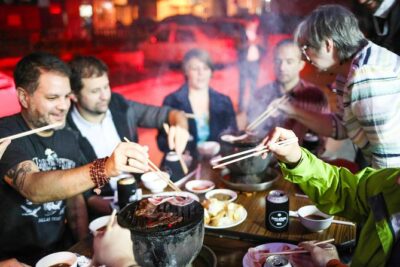
Beijing Hutong Walking Food and Beer Tour at Hidden Restaurants
Read our review →
Temple Heaven, Summer Palace, Lama Temple, Hutong Bus Tour
Read our review →
Temple of Heaven, Summer Palace, Lama Temple, Hutong Tours
Read our review →

Browse the lists this tour appears in