
Reviewed · LAMA TEMPLE VISITS
Beijing: Lama Temple (Yonghe Temple) Admission Ticket
Beijing’s Lama Temple is a stop you remember. This $10 ticket gives you fast-track entry to Yonghe Temple so you can wander the 18-meter sandalwood Buddha halls at your own pace, not wait for the initial ticket rush. I love the way the grounds tell one story across eras, starting with the Kangxi period and shifting to Tibetan Buddhist worship under Qianlong. I also love the architecture blend, where Han, Manchu, Tibetan, and Mongolian design show up in the same courtyards. One drawback to plan for: you still deal with security checks, and the booking must match your passport name and number exactly.
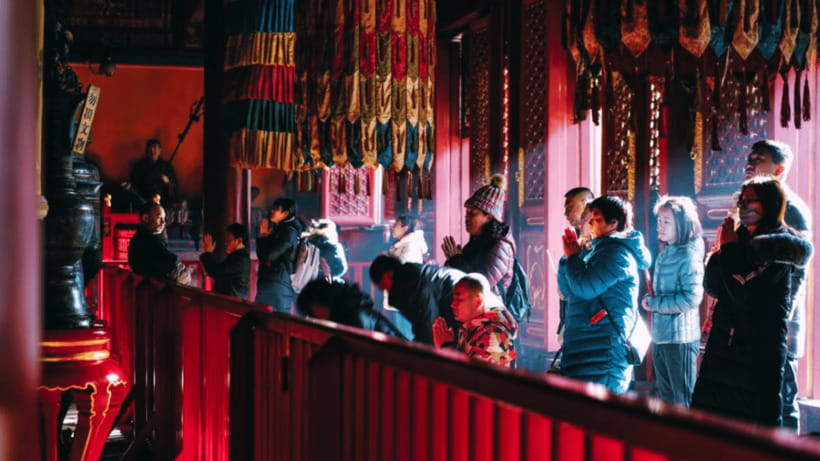
The best part is the day-to-day feel of a living religious site. On busy days, you’ll notice locals arriving to pray, light incense, and spend real time inside the halls, not just pose for photos. If you go on a major holiday, expect more people and more incense smoke in the air.
This is also a self-guided visit, so there’s no live guide or audio system to walk you through the details. I like that for independence, but it means you should read a bit beforehand so the hall names and symbolism land well.
In This Review
- Key points before you go
- Why Yonghe Temple is more than a pretty temple stop
- What you’ll actually see inside the Yonghe Temple complex
- A smart self-guided route for a one-day ticket
- Fast-track entry rules that can trip you up
- What the crowds and incense feel like in real life
- Architecture details to look for once you’re inside
- Price and value: what $10 buys you
- When to go for the best experience
- Practical stuff: what to bring, and what not to bring
- Should you book this Lama Temple ticket through PANDA144?
- FAQ
- Is the GetYourGuide QR code accepted for entry?
- What information do I need to provide for the real-name ticket?
- Does fast-track entry skip the security line?
- Do I need a passport to enter?
- Is a guided tour included with the ticket?
- When is the last time I can enter and when do I need to leave?
Key points before you go
- Built for emperors, then repurposed for Tibetan Buddhism: started as part of the Yongzheng residence, became an imperial palace, then turned into a Tibetan Buddhist temple.
- Your ticket is real-name based: your passport name and passport number have to be correct for entry.
- Fast-track means less waiting, not no security: you can speed up entry into the temple grounds, then still pass security.
- You’ll walk through a designed route: Yonghe Gate, palace halls, and the Four Learning Halls (medicine, mathematics, tantra, and lecture).
- A must-see is the 18-meter sandalwood Maitreya Buddha: it’s famous, and you’ll understand why when you see the scale in person.
- Communication is part of the experience: the operator typically sends your confirmation and instructions through WhatsApp and email, including a short visit guide.
Why Yonghe Temple is more than a pretty temple stop
Beijing has plenty of big sights, but Yonghe Temple (Lama Temple) feels different because it works like a place of worship, not just a museum. Even if you’re not religious, you’ll notice how people move slowly, how they pause, and how the space guides quiet attention.
The ticket value is strong because it includes access to the key buildings and exhibition rooms. You’re not paying just to enter a gate and rush past. You’re paying to spend time inside the main courtyards, halls, and displays, with a smoother route into the grounds thanks to fast-track entry.
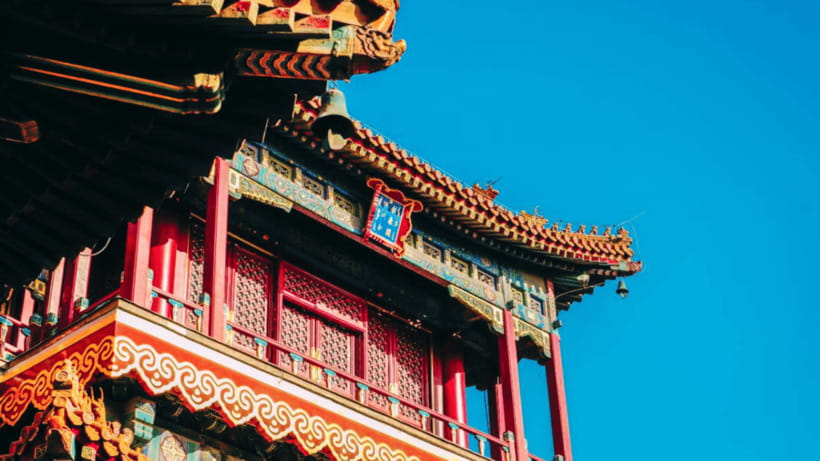
I also like that the site’s design is not a single-style copy. The architecture reflects multiple cultural influences, including Han, Manchu, Tibetan, and Mongolian elements. That mix helps you understand why Yonghe Temple feels both imperial and distinctly Buddhist in its visual language.
Incense smoke and a giant Buddha

What you’ll actually see inside the Yonghe Temple complex
Plan to walk a loop through the main ceremonial spaces. The complex is arranged around gates and halls, so your route feels logical even without a guide telling you where to go next.
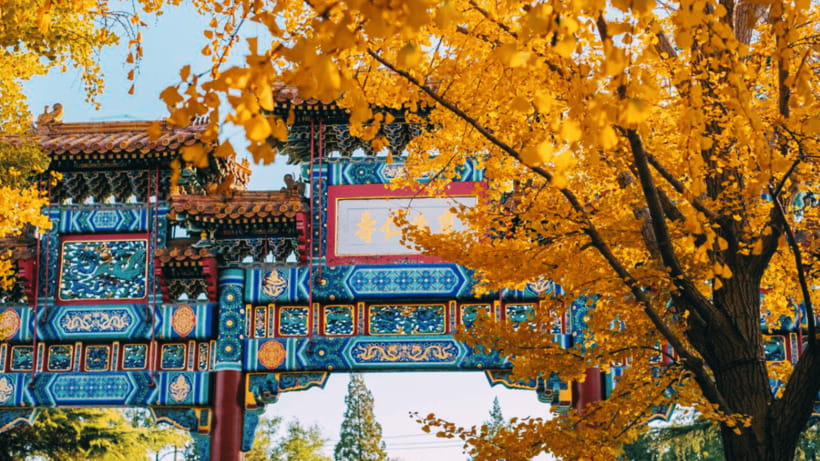
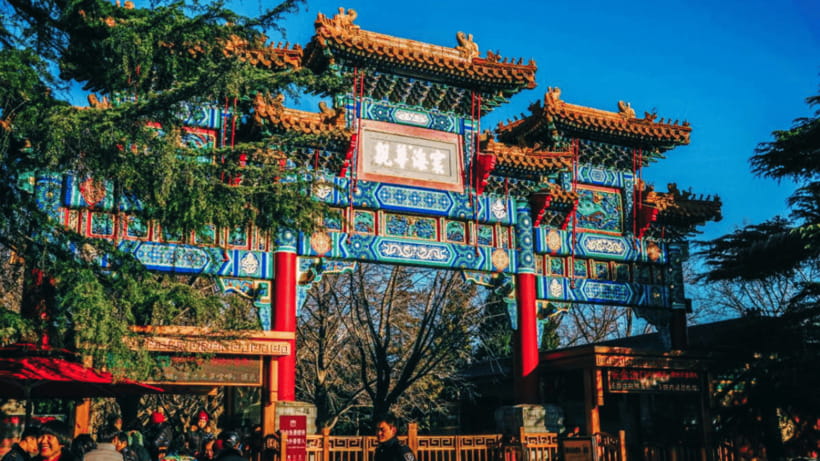
Start with the approach and the major entry structure. The site’s main archways and ceremonial entrances create a clear sense of “threshold,” meaning you’re moving into a more sacred space step by step.
Then focus on the hall sequence. Yonghe Temple includes:
- Yonghe Gate
- Yonghe Palace Hall
- Four Learning Halls, each with a distinct theme: Hall of Medicine Buddha, Mathematics Hall, Tantric Hall, and Lecture Hall
- Three exhibition rooms where you can see more artifacts and context
The hall themes matter because they reflect how Tibetan Buddhist learning and practice were organized. You can read the names and think they’re just labels, but in the space itself you get the sense of a curriculum and a spiritual order.
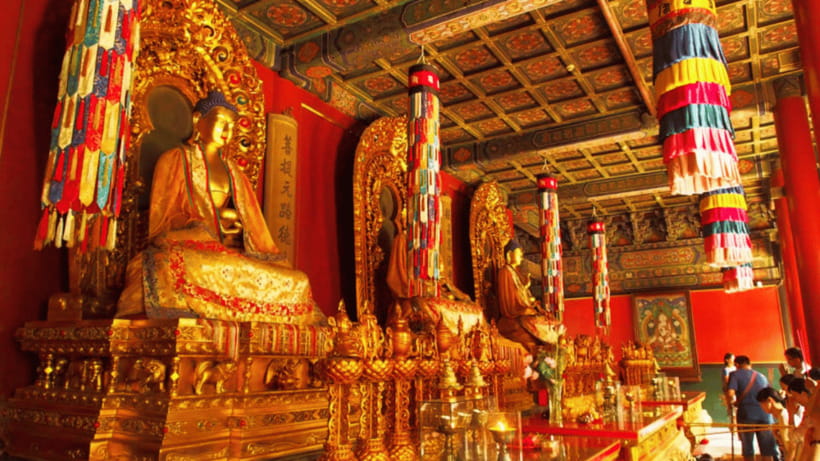
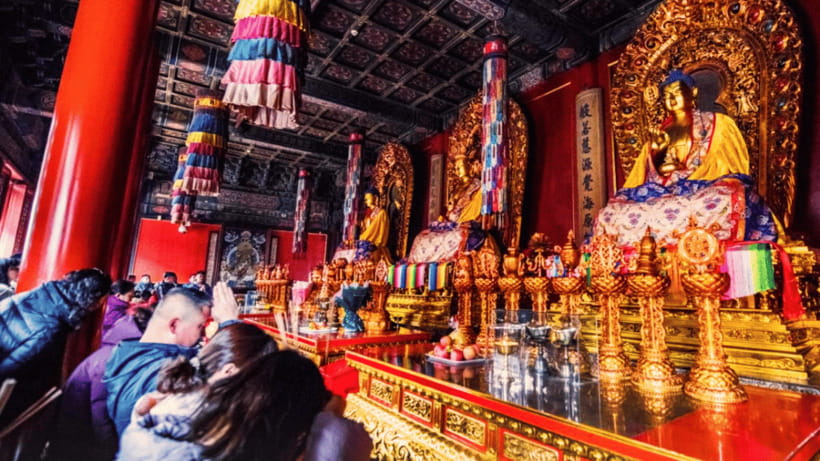
And yes, the headline attraction is the big one. Inside the complex, you’ll encounter the famous 18-meter-tall sandalwood Buddha. It’s carved from a single piece of sandalwood and has been recognized since 1990 in the Guinness World Records. Seeing that scale in person changes how you interpret everything else, because the rest of the carvings and halls start to feel like they’re supporting the same central idea of reverence.
A smart self-guided route for a one-day ticket
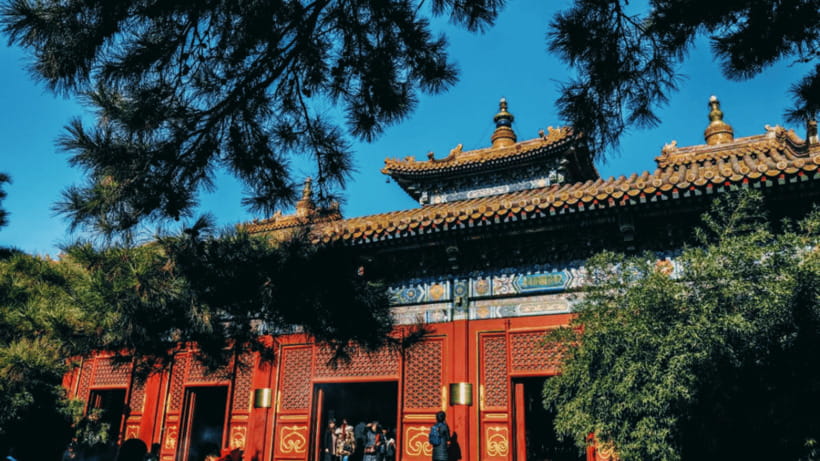
Because this ticket is self-guided, your job is simple: pace yourself and follow the complex’s natural flow. I’d avoid treating it like a checklist. Instead, treat it like a sequence of rooms where the mood shifts.
Here’s a practical route that usually works well in a temple complex like this:
1) Yonghe Gate to the main ceremonial area
Get oriented quickly. Early on, you’ll want to see the big architectural lines before crowds compress your movement.
2) Move into the palace halls
Look at the carvings and decorative elements closely. Even without a guide, you’ll often see patterns repeat, which helps you “read” the building like it’s a language.
3) Then focus on the Four Learning Halls
Each hall has a different focus, so don’t just sprint from one door to the next. Spend an extra minute inside each one, even if you’re tempted to keep moving. The hall themes give you a reason to slow down.
4) Finish with exhibition rooms
Exhibitions are where details become clearer. If you’re the type who likes context after the fact, this is a good way to end your visit.
If you’re going on a day that’s likely to be busy, I recommend starting your route as early as you can manage within the temple’s entry timing rules. That way you get the key spaces before the lines and denser incense smoke build up.
Fast-track entry rules that can trip you up
This is where planning matters. The ticket includes fast-track entry to the Lama Temple grounds, and it also includes a reservation fee. That sounds straightforward, but the key point is that fast-track does not mean you bypass security screening.
You should expect:
- You’ll show your ticket at the designated entrance channel.
- You’ll pass security checks before you enter the temple grounds.
Here’s the paperwork part, and it’s important. Booking is real-name ticket based. You must send your full name as it appears on your passport, along with your passport number. If the name and passport number info isn’t received on time, your booking may get canceled and a cancellation fee may apply.
Also, the GetYourGuide QR code is not a valid ticket by itself. Instead, you’re expected to communicate through WhatsApp or wait for the confirmation email with the correct entry details. I’d take that seriously, because arriving with the wrong code can waste time while you try to fix the situation on-site.
Finally, timing near closing is not flexible in the way some attractions are. Your final entry is one hour before closing, and you must exit 30 minutes before closing.
What the crowds and incense feel like in real life
Yonghe Temple can feel calm or lively depending on the day. On crowded dates, the site becomes a stage for prayer rituals. You’ll see people take their time, face the altars, and offer prayers, and yes, you may see incense burning in designated areas.
On days when locals come in greater numbers, the air can be smoky from incense. That’s not a problem for everyone, but it changes the atmosphere. If you’re sensitive to smoke or strong scents, wear a mask you’re comfortable with, and consider visiting earlier in the day.
Photography can be tricky in busy moments. If you want respectful photos, wait for natural pauses and avoid blocking pathways. The space is meant for worship, so a little patience pays off.
One more practical note: even though it’s a “small complex” compared to some huge Beijing sites, it still has enough courtyards and halls to keep you busy. You won’t finish in five minutes unless you rush. Give it time.
Beijing tours travelers are booking next
- Beijing: Forbidden City Tour(Group/Private)-Tickets Included★ 4.8 · 7,974 reviews
- 4-Hour Small Group Tour to Forbidden City with Entry Tickets★ 5.0 · 1,863 reviews
- Beijing: Tiananmen Square Registration Service(Ticket)★ 4.5 · 1,704 reviews
- Beijing: The Temple of Heaven or Summer Palace Entry Ticket★ 4.6 · 1,286 reviews
Architecture details to look for once you’re inside
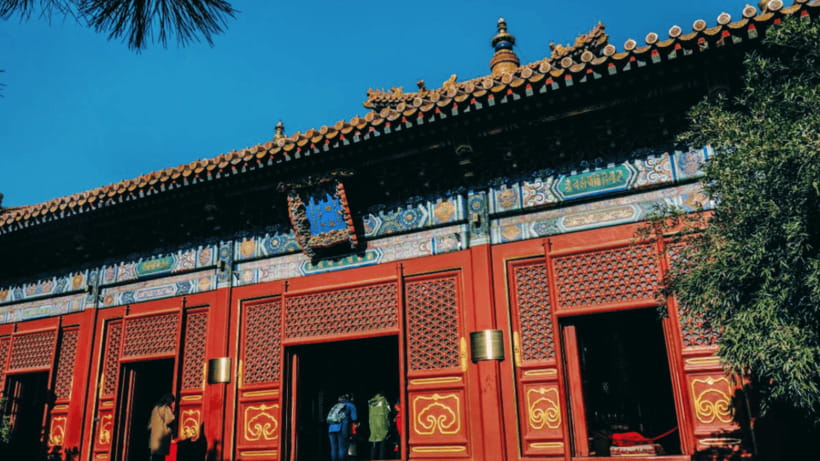
Even if you’re not an architecture nerd, you can still enjoy what’s special here. Yonghe Temple is known for how different cultural design elements coexist in one planned layout.
As you walk, try to notice:
- Ceremonial gateways that frame your movement and signal status
- Carved decorative details that show up repeatedly across halls
- Hall organization, where the “learning” theme is built into the layout of the Four Learning Halls
- Sacred objects and displays, including Buddha statues and thangkas where available inside the halls and exhibition rooms
Also, keep an eye on the materials and scale. The 18-meter sandalwood Buddha is the anchor. Once you’ve seen that, you’ll better understand why the courtyards and halls feel designed to support reverence, not just spectacle.
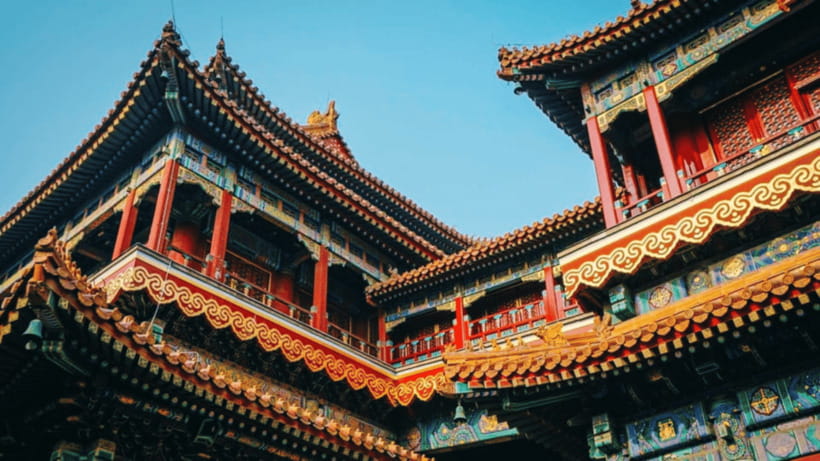
You may also notice colorful paint and intricate craftsmanship in the main halls. That’s part of the attraction. Yonghe Temple isn’t plain or minimal. It’s ornate, purposeful, and meant to be seen slowly.
Price and value: what $10 buys you
At about $10 per person, the big question is what you get beyond the name.
This ticket includes:
- Fast-track entry to the Lama Temple grounds
- Access to all major temple buildings and cultural exhibitions
- A reservation fee
It does not include:
- Skip-the-line for security checks
- Guided tours
- Audio guides
So where’s the value? It’s in the combination of access plus smoother entry. If you’re visiting on a day when lines can eat up your energy, fast-track entry can be worth it by itself. And because you can explore on your own, you can spend time where your interests pull you, whether that’s the Four Learning Halls, the exhibition rooms, or the main Buddha space.
If you want a guided explanation of Tibetan Buddhist symbolism and specific artifacts, this ticket alone won’t provide that. In that case, you can still have a great visit, but you may want to do a bit of reading before you arrive so you know what you’re looking at.
When to go for the best experience
Because Yonghe Temple hosts daily worship, crowd levels can swing. If you prefer quieter spaces, try to avoid peak holiday dates and aim for earlier entry within the day’s available window.
A few timing tips:
- Arrive with enough buffer time for security checks.
- Keep the closing rules in mind, because final entry is one hour before closing and you need to leave 30 minutes before closing.
- If incense smoke bothers you, go earlier so you spend more time in clearer air.
Also, because you’re entering as part of the complex flow, you’ll do better with comfortable shoes and a calm mindset. This is a place where you should slow down.
Practical stuff: what to bring, and what not to bring
Keep it simple. Bring your passport. That’s required for the real-name ticket matching process.
Also follow the site rules. Pets are not allowed, and you should not bring weapons or sharp objects, or explosive substances. If you’re traveling with a day bag, keep it reasonable for security screening.
Wheelchair access is listed as available, which is good news if mobility is an issue. Just remember the grounds still involve walking through courtyards and halls.
Should you book this Lama Temple ticket through PANDA144?
If you want a smooth entry and full access without a guided group schedule, this is a solid choice. I especially like it for first-time visitors to Beijing who don’t want to gamble with what’s required at the gate. The real-name booking and the clear communication through WhatsApp and email can reduce stress if you plan ahead with your passport details.
Book it if:
- You want access to the main buildings and exhibitions with fast-track entry
- You prefer exploring on your own
- You’re okay with a self-guided visit, meaning you’ll look things up or enjoy the visuals without a live explanation
Consider a different option if:
- You really want an in-depth guided walkthrough explaining Buddhist symbolism and the meaning behind each hall theme
- You’re likely to arrive late, since entry and exit timing near closing is strict
- You might have trouble matching booking details to your passport, because name and passport number accuracy matters
In short, if you can handle the real-name details and you’re comfortable exploring independently, this ticket gives you a good value path into one of Beijing’s most visually striking religious sites.
FAQ
Is the GetYourGuide QR code accepted for entry?
No. The GetYourGuide QR code is not a valid ticket by itself. You need to communicate through WhatsApp or wait for the confirmation email with the correct entry details.
What information do I need to provide for the real-name ticket?
You must send your full name exactly as it appears on your passport and your passport number to complete the booking. If that information is not received on time, the booking may be canceled and a cancellation fee may apply.
Does fast-track entry skip the security line?
No. The ticket includes fast-track entry to the Lama Temple, but it does not skip the security checks.
Do I need a passport to enter?
Yes. You should bring your passport, since real-name ticket booking at the gate is mandatory.
Is a guided tour included with the ticket?
No. Guided tours and audio guides are not included. You’ll have access to the major buildings and exhibitions, but you’re visiting independently.
When is the last time I can enter and when do I need to leave?
Final entry is one hour before closing. You must exit 30 minutes before closing.
Newly Listed Tours in Beijing
- Beijing Half Day Walking Tour-Tiananmen Square and Forbidden City★ 5.0 · 1 review
- 1-Day Beijing private English speaking guide with driver service★ 5.0 · 1 review
- Private Day Trip to Huaibei International Ski Resort and Mutianyu Great Wall★ 5.0 · 1 review
- Flexible Private Layover Beijing Night Sightseeing with English Speaking Driver★ 5.0 · 1 review
- 2-Day Customizable Beijing Highlight Tour with Airport Transfer Option★ 5.0 · 1 review
- 1-Day Beijing Private tour: Mutianyu Great Wall and Summer Palace★ 5.0 · 1 review
- Private Virtual Tour in Beijing★ 4.0 · 1 review
- 1-Way Private Transfer Service between Tianjin cruise Port and Beijing hotels★ 5.0 · 1 review
Lama Temple Visits, compared.
Temple Heaven, Lama Temple, Summer Palace & Peking Duck Bus Tour
Read our review →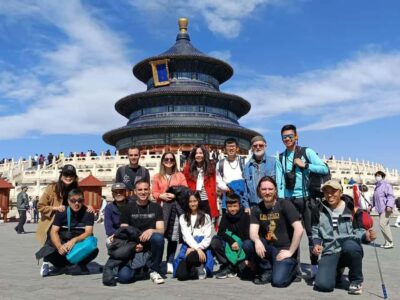
Temple Heaven, Summer Palace, Lama Temple, Hutong Bus Tour
Read our review →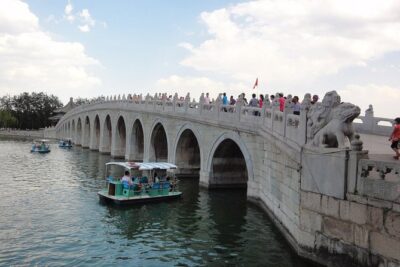
Temple of Heaven, Summer Palace, Lama Temple, Hutong Tours
Read our review →
Beijing Historical Tour II including Summer Palace, Lama Temple & Panda Garden
Read our review →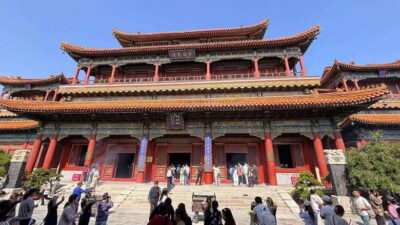
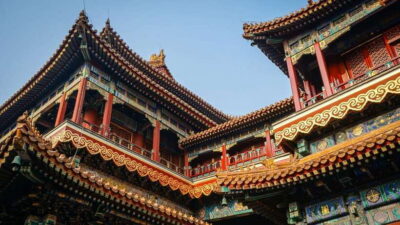
Panda House, Temple of Heaven, Lama Temple, Summer Palace & Lunch
Read our review →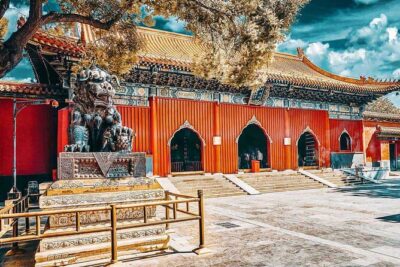
Beijing Lama Temple Entrance Ticket with Optional Guided Service
Read our review →Browse the lists this tour appears in