
Reviewed · CHINESE FOOD TOURS
Immersive food tour: the most authentic snacks in Beijing
Snack time in Beijing gets a story. This 3-hour route through Hutong alleys pairs street food tastings with real-world explanations of how people actually eat and talk about food.
I especially like how the guide turns small bites into something you can remember, not just snacks you finish and forget. Expect help with local eating etiquette and the meaning behind what you’re tasting, plus plenty of encouragement to try the stuff you might normally skip.
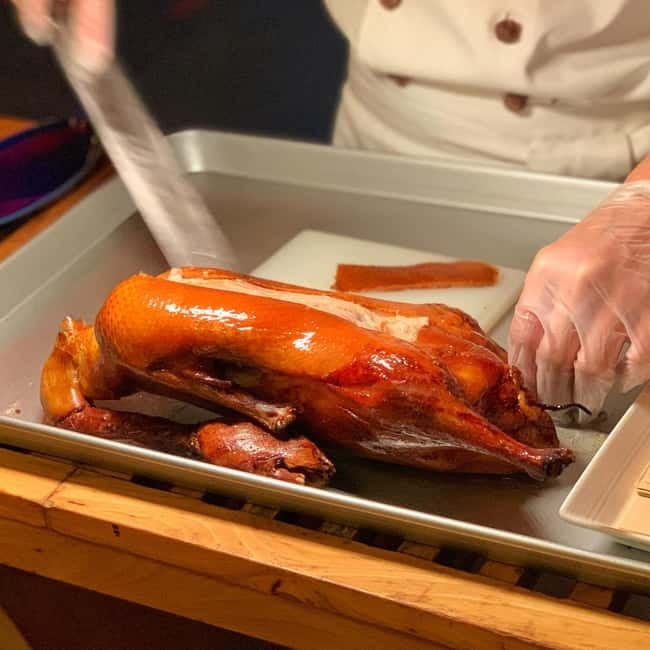
One caution: it costs $102 and it is a snack tour, not a full meal. Peking duck and copper hot pot are not included, so if those are your must-dos, you will need extra budget.
In This Review
- Key points to know before you go
- Why this Hutong snack route feels different from a normal food stop
- Price and value: what $102 buys you in 3 hours
- Meeting point at Nanluoguxiang, then straight into the neighborhood flow
- Stop 1: 川吉三明治 to set the tone
- Di’anmenwai Avenue: street food tasting with real local context
- Jinding Bridge: another 30 minutes of guided bite-sized discoveries
- Bell and Drum Towers area: classic snacks paired with place-based storytelling
- Gulou East Avenue: more street snacks, more etiquette, less guesswork
- 交道口南: finishing with a strong neighborhood feel
- The teahouse or Oriental bar moment: why this stop matters
- Who this tour suits best
- Handy tips so you enjoy every stop
- Should you book this Beijing snack tour?
- FAQ
- Where does the tour start?
- How long is the experience?
- How many food stops are included?
- Is Peking duck included?
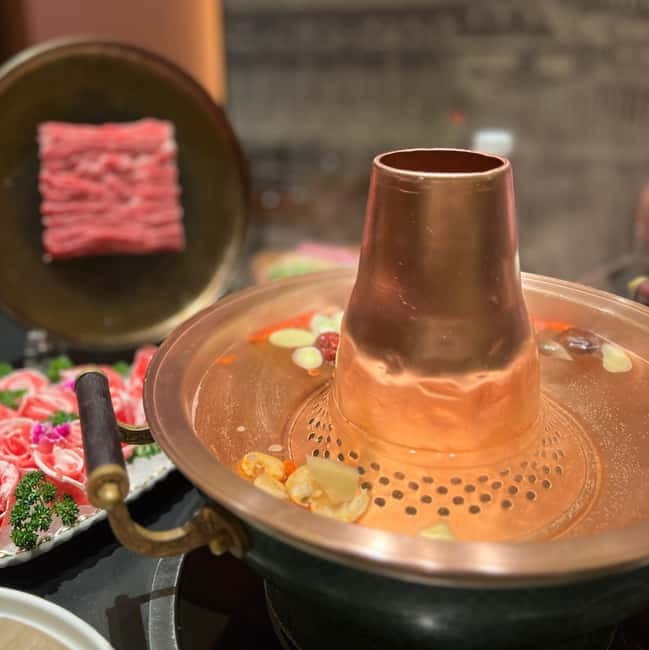
- Is copper hot pot included?
- Does the tour have a guide, and what languages?
- Is this a private group?
- Can I book last minute?
- Do I need to send any contact info after booking?
- What items are not allowed during the tour?
Key points to know before you go
- 5+ food stops in about 3 hours with short, focused tastings at each stop
- Hutong-area, small-group feel that keeps the pace lively without feeling rushed
- Guide-led explanations of what you’re eating, why it matters, and how locals order and eat
- Teahouse or traditional bar tasting to round out the street food with a calmer moment
- Fermented flavors may show up, so mentally prepare for strong smells (like douzhi)
- Mains like roast duck and copper hot pot cost extra, so plan for that up front
Why this Hutong snack route feels different from a normal food stop
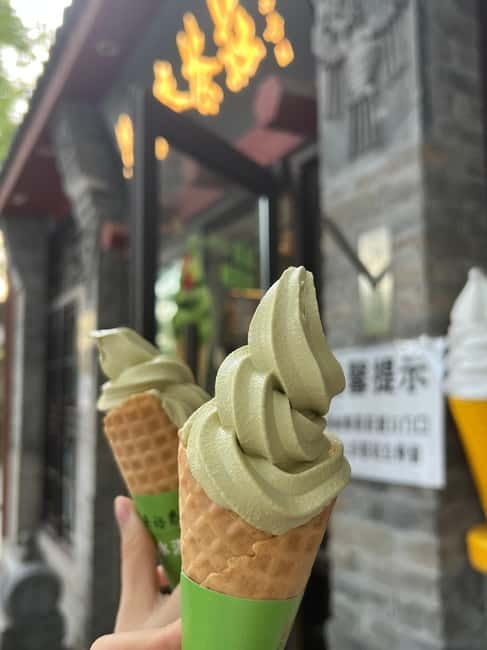
Beijing street food can look simple from the outside. You see carts, steam, and lines, then you eat and move on. What makes this tour work is that you get context, not just calories.
You’re walking through a real neighborhood rhythm, not a staged “eat here for tourists” setup. The route is built around daily-life markets and Hutong streets, so you get the feeling of being in the city, not hovering over it. You also get a guide who connects each bite to local habits, like how people talk about flavor and how they eat in public.
For me, that is the whole point of a snack tour. You’re learning the language of the food as you go, so the city stops being a mystery and starts making sense.
Eat your way across the capital
Price and value: what $102 buys you in 3 hours
$102 for a 3-hour private group snack tour is not bargain-bin pricing. You are paying for three things: the guide, the structure, and the access.
Here’s what you get for that price:
- At least 5 carefully selected food stops, each with detailed explanations
- A live bilingual guide (Chinese and English)
- A Hutong-area route using small-group, highly engaging pacing
- Time for both street snacks and a teahouse or traditional bar tasting
The “but” is important. This is not the tour that serves you Peking duck or copper hot pot as the centerpiece. Those are treated as main meals and come with an additional cost if you want them. That means you should either:
- treat this as your snack-and-stories block, then eat mains separately, or
- decide what you want most and budget for extra tasting later.
If you want only a quick, casual bite without guide storytelling, you might feel the price. If you want the city’s food culture explained while you walk, it starts to make sense.
Meeting point at Nanluoguxiang, then straight into the neighborhood flow
You meet at Exit E (northwest exit) of Nanluoguxiang subway station. It’s a practical spot because it’s clear and easy to find once you’re at the station, and it helps you start moving quickly instead of gathering for too long.
From there, the tour keeps you on your feet and focused. You are tasting in short windows (about 30 minutes per stop), so you get multiple styles of food and multiple micro-scenes in a single afternoon or early evening.
Tip I’d follow: wear shoes you can stand in for 3 hours, because you’re hopping between lanes and street areas, not sitting in one dining room.
Stop 1: 川吉三明治 to set the tone
The tour begins at 川吉三明治. A sandwich spot might sound like an odd opener for a “Hutong street food” experience, but that can be a smart move. It gives you an easy starting point, then the guide builds momentum into more distinctive street items as you go.
This first stop is also where you get the “how to eat on this route” vibe. You’ll be listening for explanations, learning what to watch for in textures and flavors, and picking up on local eating etiquette early so later tastings feel less confusing.
Di’anmenwai Avenue: street food tasting with real local context
Next up is Di’anmenwai Avenue. This is where the tour starts to feel like a genuine snack lane experience. You’re tasting street food and learning the story behind it, which is what changes everything.
The guide’s job here is not just translation. They connect the dish to daily life, explain what locals pay attention to, and help you understand the meaning behind common ingredients and flavors. If you’ve ever tasted something in China and wondered why it tastes the way it does, this kind of explanation is what you’re really buying.
Small drawback to consider: street food on busy roads can be loud and fast. If you prefer slow, seated meals, this part might feel like it moves quickly. The time windows help, though, because you know you’ll rotate onward rather than linger in the chaos.
Where to eat and drink next
- Beijing Hutong Walking Food and Beer Tour at Hidden Restaurants★ 5.0 · 1,132 reviews
- Beijing Hutong Breakfast Food Tour★ 5.0 · 155 reviews
- Beijing Hutong Breakfast Food Tour★ 5.0 · 120 reviews
- Beijing Walking Food Culture Tour in Hutong and Hidden Places★ 5.0 · 59 reviews
Jinding Bridge: another 30 minutes of guided bite-sized discoveries
At Jinding Bridge, you continue with guided food tasting. Bridges and their surrounding lanes often act like natural meeting points, which means you may see food activity from multiple directions rather than one single storefront scene.
What I like about this portion is the variety of snack styles you can encounter in a short time. The route is designed to prevent you from getting “stuck” on one type of food. Instead, you taste, learn, then shift to the next flavor category.
If you’re the type who needs time to adjust to new smells and flavors, pace yourself and let the guide guide you. These are short stops on purpose, but you still control how you take each bite.
Bell and Drum Towers area: classic snacks paired with place-based storytelling
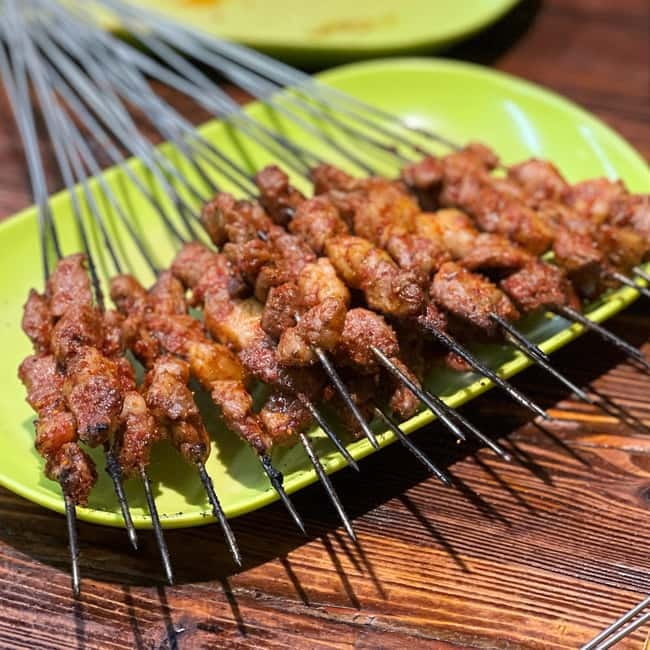
Then you head toward the area near the Beijing Bell and Drum Towers, another 30-minute tasting stop.
This is one of the most interesting areas in the route because it naturally connects food to place. The guide can talk about how street snacks fit into the wider city story and how traditions show up in everyday eating. Even if you’re not hunting for sightseeing time during this tour, this area helps you connect the dots between neighborhoods, crowd behavior, and snack culture.
Practical mindset: keep your expectations flexible. A snack tour rarely serves one perfect dish per stop. It usually gives you a set of smaller bites that together show Beijing’s range.
Gulou East Avenue: more street snacks, more etiquette, less guesswork
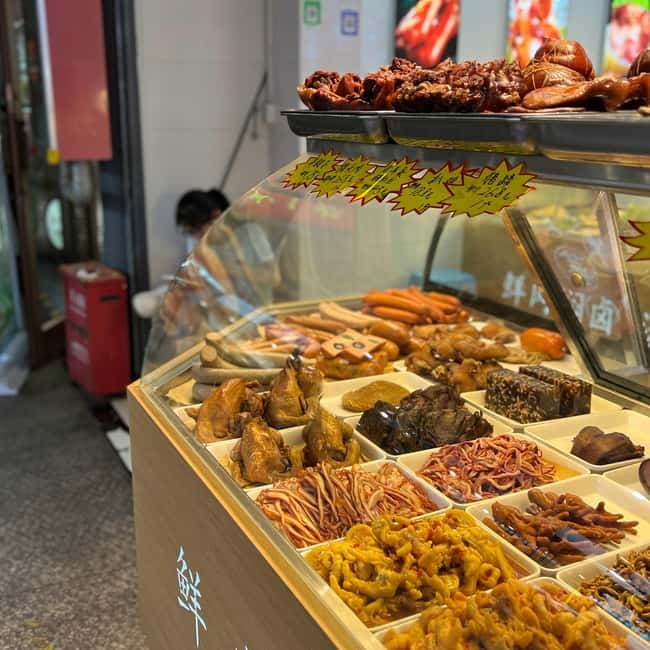
At Gulou East Avenue, you keep tasting and learning. By now, you’ve likely picked up a rhythm: the guide explains, you try, and you decide what you like based on the flavor cues they pointed out.
This is also where eating etiquette can matter. Even on street food, there are small norms around how to order, how to handle hot items, and how people expect you to behave in line and in public. Getting that inside guidance saves you from awkward pauses and helps you enjoy the food instead of worrying about what you’re doing wrong.
If you like taking photos, this is a good time to do it, but keep an eye on the guide and the flow. Street scenes can change fast, and you want your attention on what you are eating.
交道口南: finishing with a strong neighborhood feel
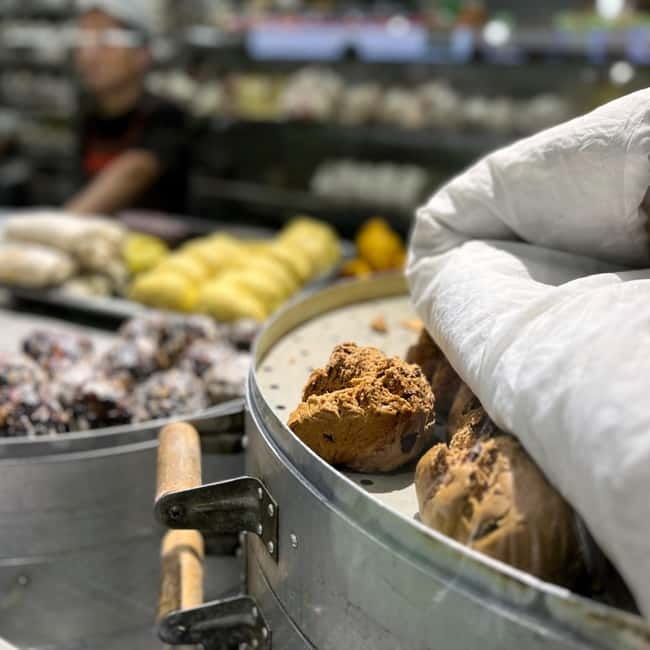
The route ends with 交道口南, another focused street food tasting window. This stop is often where you can feel the tour click. You’re not entering the city for the first time anymore. You’re reading it as you go.
By the end, you usually understand what kinds of bites you gravitate toward and what kinds of flavors you’re willing to try again. You also have a guide who can steer you toward better choices if you have preferences, like avoiding certain textures or wanting more savory versus more sweet.
And yes, be ready for fermented flavors. One strong example you may encounter on this kind of street-focused route is douzhi, a fermented bean drink with a noticeable smell. If you’re nervous, take a tiny sip first, then decide.
The teahouse or Oriental bar moment: why this stop matters
One of the stated highlights is an Oriental Bar or Teahouse tasting, focused on a traditional atmosphere. This part is valuable because it gives your senses a breather.
Street snacks are loud in flavor and smell. The teahouse or traditional bar setting helps you reset and slow down just enough to appreciate what you’ve been eating. It also shows a different side of Beijing food culture, where people connect over small tastings and conversation, not only quick bites on the street.
I like tours that include this shift because it makes the whole experience feel complete. You leave with a clearer sense of daily life, not just a collection of foods.
Who this tour suits best
This tour fits you if you want:
- Street food with explanations, not just a feeding schedule
- A Hutong-focused walk with a guide who can explain what you’re tasting
- A private group feel, which usually makes it easier to ask questions and adjust pace
- Something for food lovers and culture seekers who enjoy learning as they eat
It may be less ideal if:
- You mainly want a sit-down meal with bigger portions
- You already plan to order only classic mains and do not care about snack variety
- You dislike strong odors, because fermented items like douzhi can happen on tour
Handy tips so you enjoy every stop
- Bring a bit of patience for street conditions. You’re walking and tasting in short windows.
- Stay ready for small-to-medium portions. This tour is designed for multiple tastings, not one huge meal.
- If you want roast duck or copper hot pot, plan for extra cost ahead of time. This snack tour does not include them.
- Don’t wear sandals or anything you can’t keep stable on uneven sidewalks. Bare feet are not allowed.
Should you book this Beijing snack tour?
Book it if you want a guided walk through Hutong neighborhoods with 5+ tastings, clear explanations, and a traditional teahouse or bar stop that rounds out the experience. At $102, it’s best seen as a value decision if you care about food culture and not only about eating.
Skip or budget cautiously if you only want a cheap meal, or if your priority is strictly Peking duck or copper hot pot. Those are extra here, and the tour is built around snacks first.
If you do book, do it with the right mindset: show up hungry, ask questions, and let the guide push you toward one or two flavors you would not normally choose. That is where the tour tends to feel memorable.
FAQ
Where does the tour start?
You meet at Exit E (northwest exit) of Nanluoguxiang subway station.
How long is the experience?
The tour lasts 3 hours.
How many food stops are included?
You’ll have at least 5 carefully selected food stops, with detailed explanations.
Is Peking duck included?
No. Peking duck is considered a main meal and is not included in this snack tour. Extra cost may apply if you want it.
Is copper hot pot included?
No. Copper hot pot is considered a main meal and is not included. Extra cost may apply if you want it.
Does the tour have a guide, and what languages?
Yes. A live guide leads the tour in Chinese and English.
Is this a private group?
Yes, it is listed as a private group.
Can I book last minute?
For the best experience, you need to book at least 24 hours in advance. Last-minute bookings within 24 hours are not accepted.
Do I need to send any contact info after booking?
Yes. After booking, you should send your WeChat or WhatsApp number to help confirm tour details.
What items are not allowed during the tour?
Weapons or sharp objects, baby strollers, baby carriages, bare feet, and alcohol and drugs are not allowed.
Dishes Worth the Trip
Newly Listed Tours in Beijing
- Beijing Half Day Walking Tour-Tiananmen Square and Forbidden City★ 5.0 · 1 review
- 1-Day Beijing private English speaking guide with driver service★ 5.0 · 1 review
- Flexible Private Layover Beijing Night Sightseeing with English Speaking Driver★ 5.0 · 1 review
- Private Day Trip to Huaibei International Ski Resort and Mutianyu Great Wall★ 5.0 · 1 review
- 2-Day Customizable Beijing Highlight Tour with Airport Transfer Option★ 5.0 · 1 review
- 1-Day Beijing Private tour: Mutianyu Great Wall and Summer Palace★ 5.0 · 1 review
- Private Virtual Tour in Beijing★ 4.0 · 1 review
- 1-Way Private Transfer Service between Tianjin cruise Port and Beijing hotels★ 5.0 · 1 review
Chinese Food Tours, compared.
Hidden Gems Guided Food Tour with Beer and Tastings
Read our review →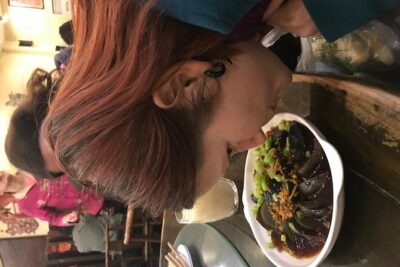
Half-Day Private Beijing Hutong Walking Tour with Dim Sum
Read our review →
Browse the lists this tour appears in