
Reviewed · HUTONG WALKS
Taiji class in hutong yard
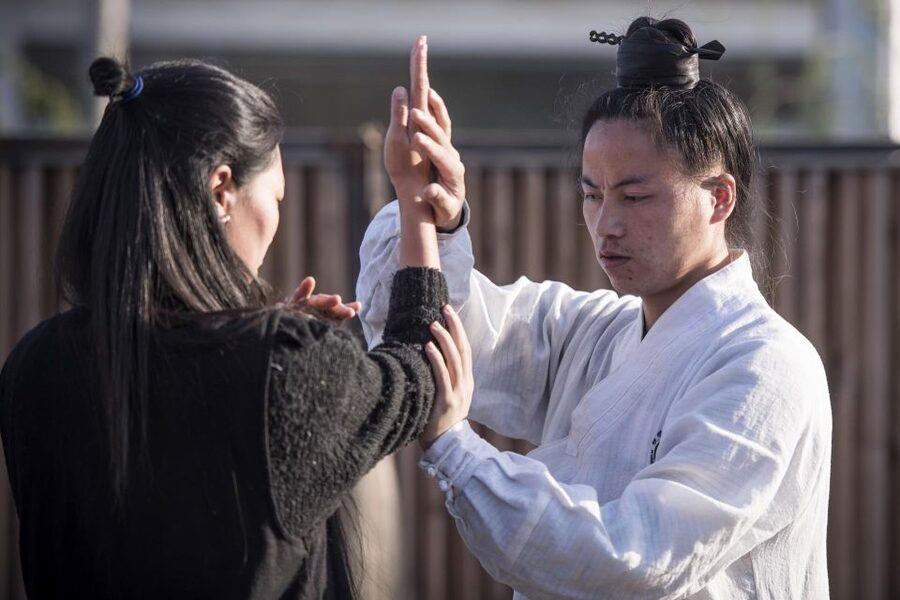
One hour of Taiji changes your whole tempo. This Taiji class is taught by a professional Chinese martial artist in a hutong courtyard at Bayi Teahouse, right by the historic area near the Forbidden City. I really like the focused instruction style, and I also like the setting, because you practice in real local space rather than a staged studio. One thing to consider: the actual class is only one hour, so if you want long, detailed coaching, you may need to ask about a private class.
The Bayi Teahouse location matters. You get a small group format, limited to 10 participants, with an instructor who works in Chinese and English. That setup makes it easier to ask questions and get corrections without feeling like you are watching from the back row.
Expect a calm body-mind lesson, but with martial-arts intent. The class is built around balancing your body and mind through Taiji, then you are introduced to how Taiji connects to practical martial use, in the Kungfu spirit. In at least one recent booking, the teacher taught in Chinese and an English translator supported the group, which is a nice balance if you do not read Chinese.
In This Review
- Key Points to Know Before You Go
- Bayi Teahouse Hutong Yard: The Setting Makes the Lesson
- The One-Hour Taiji Class: What You Actually Do
- Professional Martial Artist Instruction, With Bilingual Support
- Small Group Size: Why It Feels More Personal
- Price and Value: Is $60 Fair for One Hour?
- How This Fits Into a 3-Day Time Window
- What to Expect If You Want Long-Term Practice
- My Take: Who This Is For
- Should You Book the Hutong Courtyard Taiji Class?
- FAQ
- Where does the Taiji class take place?
- How long is the Taiji class?
- How much does it cost?
- How many people are in the group?
- What languages are used during the class?
- Is there an instructor and what is their background?
- Does the experience include Taiji instruction only, or martial arts content too?
- Can I book with flexible plans?
- Can I cancel for a refund?
- How does the 3-day duration work?
Key Points to Know Before You Go
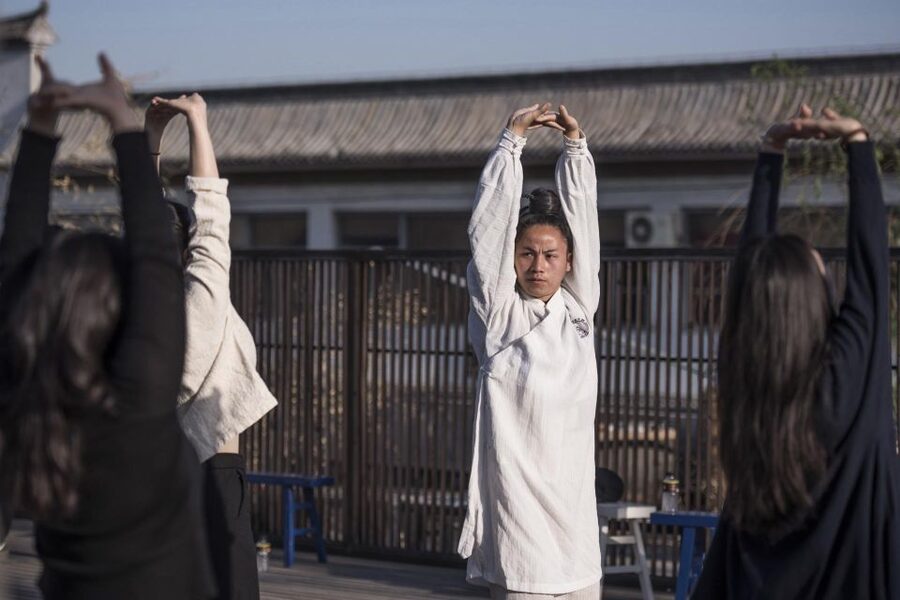
- A 1-hour Taiji session taught by a professional Chinese martial artist, with body and mind balance as the goal
- Bayi Teahouse in a hutong courtyard, beside the Forbidden City area for a genuinely local feel
- Small group up to 10 people, which helps you get personal attention
- Chinese and English instruction, plus translator support can happen depending on the class
- Taiji taught with martial practicality, so it connects to Kungfu ideas rather than staying purely ceremonial
Bayi Teahouse Hutong Yard: The Setting Makes the Lesson
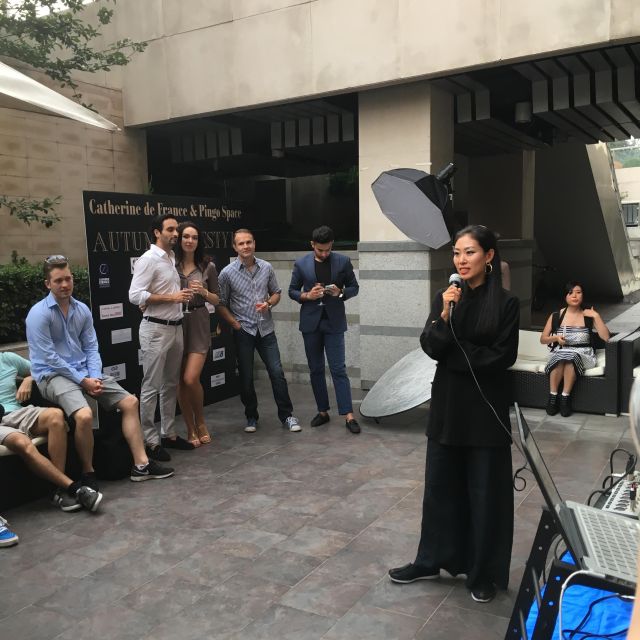
This experience is held at Bayi Teahouse, which is described as a courtyard in a hutong, beside the Forbidden City. That matters more than you might think. Taiji is all about control, timing, and posture, and practicing in a real courtyard setting tends to make the movements feel grounded in the space around you.
The hutong courtyard also gives you atmosphere that a standard workshop room cannot match. You are not far from one of China’s biggest tourist magnets, but you are still tucked into a quieter, older-style neighborhood environment. The result is a class that feels like it belongs to the city, not like you are importing a performance for visitors.
If you are planning to see the Forbidden City that day, this is a smart pairing. You can do Taiji first if you want to start your day slower, calmer, and more aware of your posture. Or you can do it after sightseeing, then use the practice to reset your body after hours of walking.
Duck through the old alleyways

The One-Hour Taiji Class: What You Actually Do
The class runs for one hour, and that time is the whole event. It is not a quick taste followed by a big sales pitch. It is a focused session designed around Taiji practice, with balancing your body and mind at the center.
Here is what you should expect the instructor to emphasize:
- Movement that helps you feel more stable and centered
- Body awareness and control, so your motions look smoother and feel steadier
- Breathing and mental focus, used as part of the practice, not just a theory lesson
- An explanation of how Taiji principles can translate into martial use
The “Kungfu” highlight makes sense in this context. Even though the activity is Taiji, the teacher’s approach is practical. You are introduced to how Taiji can be used in martial arts, so you get a bridge between slow form and real application.
Because it is only one hour, do not expect a full progression from beginner to advanced. Expect a guided foundation plus enough context to keep practicing on your own after you leave.
Professional Martial Artist Instruction, With Bilingual Support
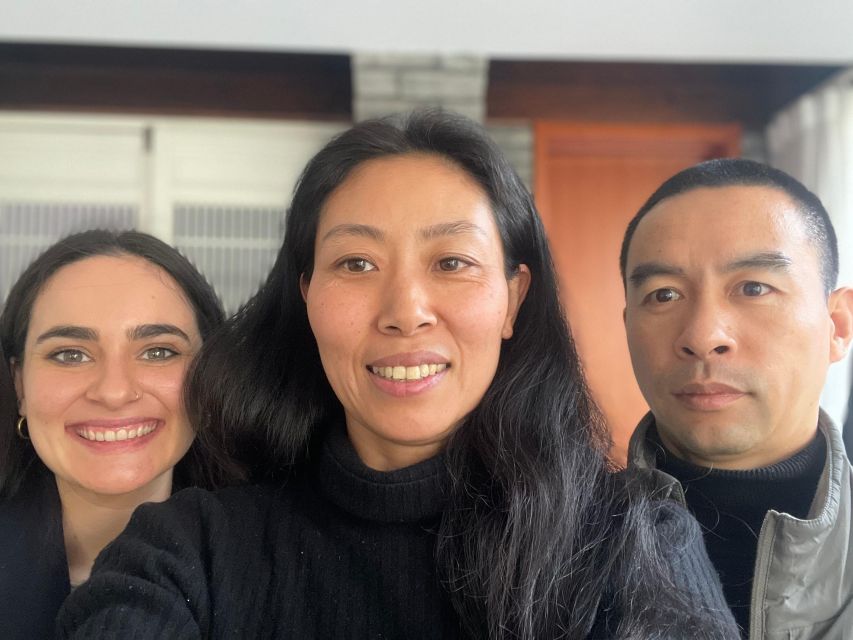
A key selling point here is who teaches. The class is taught by a professional Chinese martial artist, described as well trained. For you, that is not just an ego boost. It usually means cleaner corrections, more accurate posture cues, and better explanations of the “why” behind each motion.
Language is also handled in a practical way. The instructor is listed as Chinese and English. In one verified booking, the teacher spoke in Chinese while a translator supported the group. That combination is useful because it keeps the teaching rooted in original Taiji delivery while still giving you enough English guidance to follow along without guessing.
If you are a total beginner, that support can make or break the experience. Taiji can be frustrating when you cannot tell whether you are doing it wrong or doing it differently. Here, you have built-in language help, plus a small group size that makes it more realistic to ask questions.
Small Group Size: Why It Feels More Personal
The group is limited to 10 participants. That is a sweet spot. Large classes often turn into copy-and-hope, where you only catch corrections when you are already too far off. Smaller groups give you a better chance to get the right kind of feedback at the moment you need it.
In a one-hour format, every minute counts. With a small group, the instructor can spend time adjusting form, not just demonstrating it once. It also tends to create a calmer classroom vibe, which fits Taiji’s emphasis on balance and mind control.
So if you hate crowded group tours and prefer a class where you can actually focus, this structure is a strong match.
Price and Value: Is $60 Fair for One Hour?
It costs $60 per person. That might sound like a lot for one hour, until you look at what you are buying: professional instruction from a Chinese martial artist, a bilingual teaching setup, a small group of up to 10, and a class in a hutong courtyard setting beside the Forbidden City area.
For Taiji, pricing usually reflects the trainer quality and the ability to coach movement precisely. You are not paying for a long itinerary. You are paying for guided practice plus feedback in a setting that feels authentic instead of generic.
If you are the type who will actually practice after, this is good value. You get a foundation you can repeat, and you also learn how Taiji fits into martial application. If you are only looking for sightseeing photos, you might feel the price is high for what you get. But if you want a real skill-based experience, $60 is easier to justify.
Learn a craft from a local
- Beijing Calligraphy Class★ 4.9 · 112 reviews
- Chinese Calligraphy Class for Small Group★ 5.0 · 104 reviews
- Beijing: Dumpling Making Workshop with Meal and Tea★ 4.7 · 69 reviews
- Online Cooking Class Beijing Dumplings and Cuisine by Sunflowerli Renowned Chef★ 5.0 · 65 reviews
How This Fits Into a 3-Day Time Window
The duration is listed as 3 days, but the class itself is one hour. In practice, what that means for you is that the experience is available across a three-day span, so you can pick a starting time based on availability.
So think of this as a “book your slot within your dates” class, not a three-day course with escalating lessons. If you are visiting Beijing for a short stay, this is still very workable. One hour is manageable even if you have a packed plan around the Forbidden City.
If you want more than one practice session during your trip, your best move is to plan whether you can book additional time slots or ask about private class options, which are mentioned as possible.
What to Expect If You Want Long-Term Practice
The class description points out that if you are interested in long term practicing, private classes could be offered. That is a big clue about what the organizers are aiming for: helping you get started with a real martial-arts framework, then giving you a pathway to deepen it.
Even if you do not book private instruction, you can use the class in a smart way. When you leave, you want a short list of movements or concepts you remember clearly. Taiji gets easier when you repeat the same basics regularly.
So the best outcome is not only feeling calm for an hour. The best outcome is leaving with enough structure that you can keep practicing.
My Take: Who This Is For
I think this is best for people who:
- Want a skill-based cultural experience, not just a tour with photos
- Like small groups and direct instruction
- Are curious about Taiji beyond slow movement, especially how it relates to martial use
- Plan to spend time in the Forbidden City area and want a calmer contrast activity
If you are looking for a big, multi-stop day with lots of walking between monuments, you may find the one-hour format too short. But if you want something focused and grounded, in a hutong courtyard setting, this hits the mark.
Should You Book the Hutong Courtyard Taiji Class?
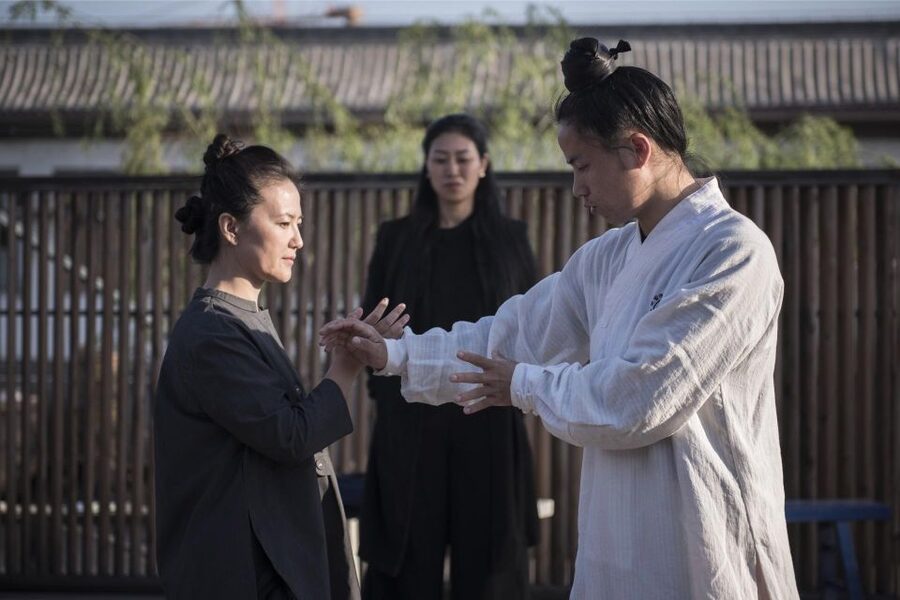
Book it if you want a real Taiji session taught by a professional martial artist, in a hutong courtyard setting beside the Forbidden City area. The combination of small group size, bilingual support, and the class’s focus on both balance and martial practicality makes it a strong choice for serious beginners and returning practitioners alike.
Skip it or reconsider if you only want a sightseeing add-on, because you are paying for instruction time, not a long tour. Also, if you need a multi-hour workshop to feel confident, plan for the possibility of private classes, since the standard session is one hour.
If your schedule can fit a 1-hour slot, this is the kind of Beijing experience that leaves you with something you can carry home, even after the buildings and crowds fade from memory.
FAQ
Where does the Taiji class take place?
It is taught at Bayi Teahouse, which is a courtyard in a hutong beside the Forbidden City.
How long is the Taiji class?
The class lasts for 1 hour.
How much does it cost?
The price is $60 per person.
How many people are in the group?
The group is limited to 10 participants.
What languages are used during the class?
Languages listed are Chinese and English.
Is there an instructor and what is their background?
Yes. The class is taught by a professional Chinese martial artist.
Does the experience include Taiji instruction only, or martial arts content too?
You practice Taiji for balancing body and mind, and you are introduced to how Taiji is practically used in martial art, aligned with Kungfu themes.
Can I book with flexible plans?
Yes. The experience offers reserve now & pay later, so you can book and pay nothing today.
Can I cancel for a refund?
Yes. Free cancellation is available up to 24 hours in advance for a full refund.
How does the 3-day duration work?
It is valid for 3 days, and you check availability to see starting times within that window.
Newly Listed Tours in Beijing
- Beijing Half Day Walking Tour-Tiananmen Square and Forbidden City★ 5.0 · 1 review
- 1-Day Beijing private English speaking guide with driver service★ 5.0 · 1 review
- Flexible Private Layover Beijing Night Sightseeing with English Speaking Driver★ 5.0 · 1 review
- Private Day Trip to Huaibei International Ski Resort and Mutianyu Great Wall★ 5.0 · 1 review
- 2-Day Customizable Beijing Highlight Tour with Airport Transfer Option★ 5.0 · 1 review
- 1-Day Beijing Private tour: Mutianyu Great Wall and Summer Palace★ 5.0 · 1 review
- Private Virtual Tour in Beijing★ 4.0 · 1 review
- 1-Way Private Transfer Service between Tianjin cruise Port and Beijing hotels★ 5.0 · 1 review
Hutong Walks, compared.
Beijing Hutong Walking Food and Beer Tour at Hidden Restaurants
Read our review →
Temple Heaven, Summer Palace, Lama Temple, Hutong Bus Tour
Read our review →
Temple of Heaven, Summer Palace, Lama Temple, Hutong Tours
Read our review →



Browse the lists this tour appears in