
Reviewed · WORKSHOPS
Online Cooking Class Steamed Buns by Chef Sunflower Li
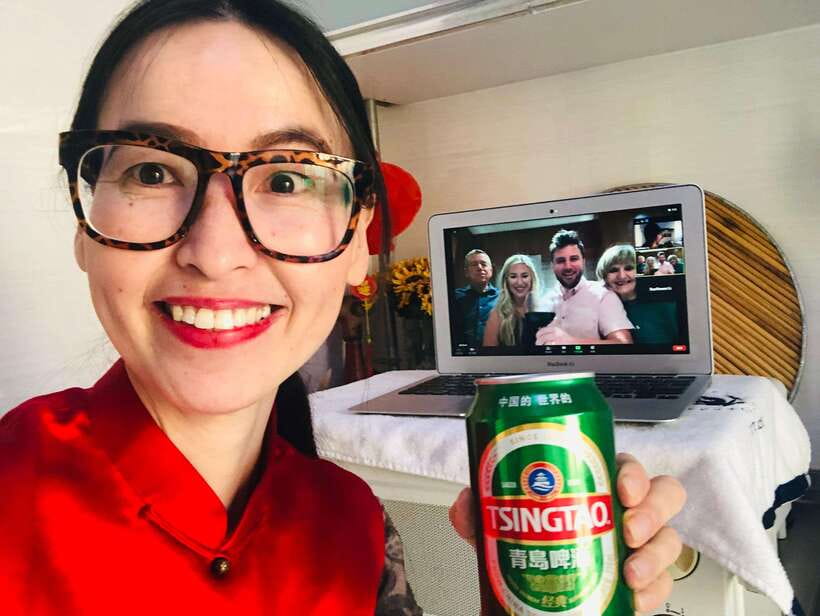
Steam buns are easier than you think. A private online cooking class with Chef Sunflower Li turns a classic Northern China comfort food into something you can actually master at home, with hands-on guidance in English. I like that the class is built around dough science and real technique, so you’re not just following steps. One thing to consider though: you will need to prep your ingredients before the Zoom starts, because this is not a meal kit.
What I really like is the vibe. Sunflower is described as a real joy to learn from, and the structure makes it feel fun and educational at the same time, not like a lecture. You also get vegetarian or vegan-friendly options, plus a shared family recipe after the class, so the value is not only the two hours on screen.
In This Review
- Key highlights at a glance
- A Zoom kitchen class that teaches Chinese steamed buns like a craft
- Why Chef Sunflower Li’s teaching style is the point
- Two hours of baozi basics, dough science, filling, and steaming
- What you need to prep before Zoom (meat plan and vegetarian plan)
- Meat-friendly prep list
- Vegetarian-friendly prep list
- How the lesson setup fits US and Europe time zones
- Vegan and vegetarian options that actually change the ingredients list
- Private group size up to 5, and why it’s great for events
- Price at $99 per group: when it’s a bargain and when it’s not
- Common beginner pitfalls, and how this class helps you avoid them
- Your best follow-up step: use the shared family recipe
- Who should book Chef Sunflower Li’s steamed buns class
- Should you book this online steamed buns class?
- FAQ
- How long is the steamed buns online class?
- What is the price for this cooking class?
- Is it an in-person class?
- Who will teach the class?
- How do I join the Zoom session?
- What ingredients do I need to prepare?
- Is a vegan option available?
- Can I change the time of the class?
- Is there a cancellation policy?
- Is the class wheelchair accessible?
Key highlights at a glance
- Chef Sunflower Li teaches in English, so you can focus on technique instead of translation stress
- Private Zoom class for up to 5, great for couples, families, and small teams
- Flexible scheduling for Europe and US time zones, with the ability to adjust timing
- Vegetarian and vegan options are available, including tofu as a substitute
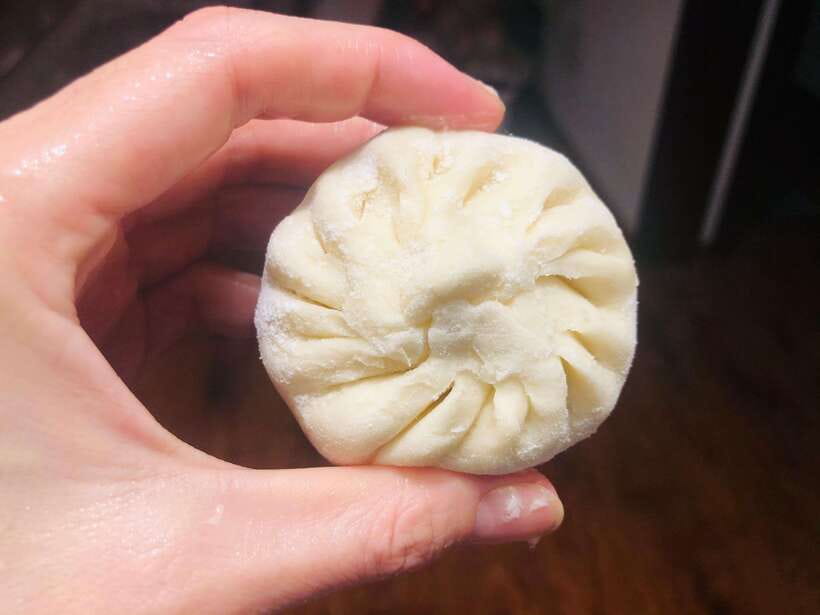
- You practice dough science and steaming, so the buns make sense, not just the steps
A Zoom kitchen class that teaches Chinese steamed buns like a craft
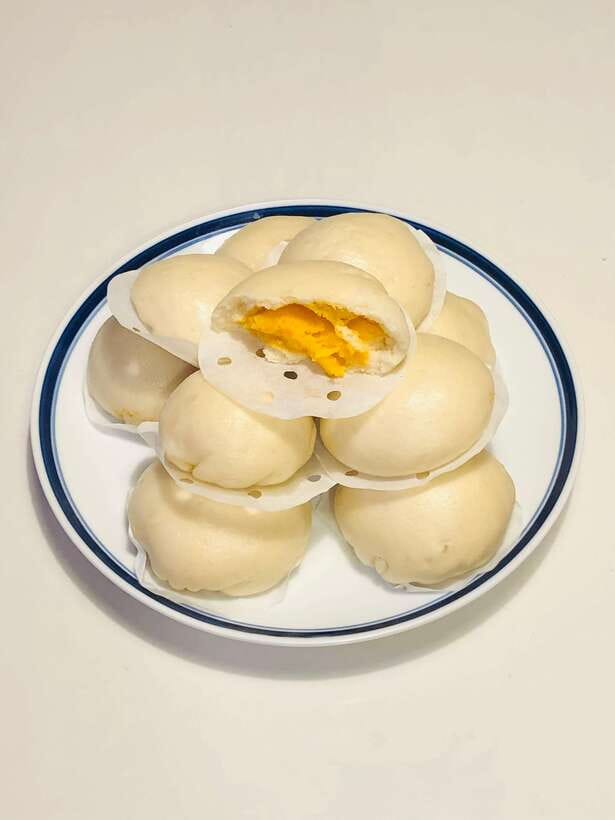
Chinese steamed buns have a long story, about 1,800 years of history, and they’re still everyday food for many families in Northern China. This class leans into that tradition, but it also treats the process like a craft you can learn. The dough matters. The folds matter. Even the way you handle steam affects the result.
What makes this experience appealing is that you’re not learning just “how to cook.” You’re learning why the dough behaves the way it does. That’s the difference between buns that look right once and buns that you can repeat next week without guessing.
Because this is a Zoom class, you also get a no-travel setup. Your “meeting point” is simply joining the session link provided after you book, and you cook at your own table. It’s an easy fit if your schedule is busy, or if you’re trying to plan a food-focused event without coordinating everyone’s location.
Beijing tours travelers are booking next
Why Chef Sunflower Li’s teaching style is the point
The standout factor here is the instructor. Chef Sunflower Li is described as someone who keeps the class fun and educational while still guiding you step-by-step. That combo matters for a dough project, because steamed buns can feel intimidating when you’re working with yeast, hydration, and timing.
In practical terms, an English instructor helps you understand key checkpoints: when your dough is ready, how to shape without tearing, and what to watch for during steaming. The class is also described as having flexible scheduling, which reduces the stress of coordinating a live lesson. If you can’t fit your first choice time, you can usually change it to match your time zone and plans.
If you care about authentic results, this matters. Technique is what turns “a good idea” into a bun that has the right texture and bite. And because the class includes a recipe afterward, you’re not left with vague memories. You can rebuild what you learned.
Two hours of baozi basics, dough science, filling, and steaming
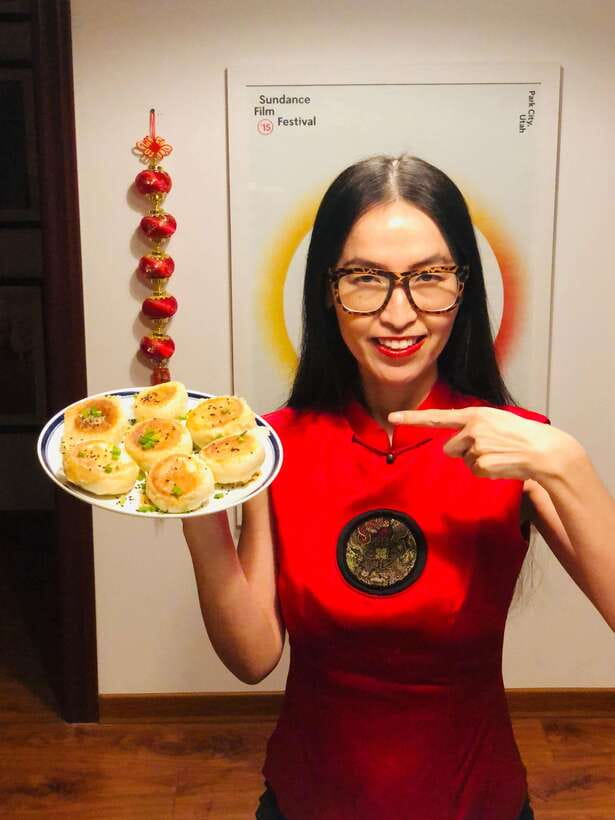
You should expect a lesson that lasts about 90 minutes to 2 hours, with a typical target of around two hours. The class is paced for learning: start with dough, then build toward shaping and steaming, and finish with tasting what you made.
Here’s how the experience is designed to feel:
You begin by making the dough and learning the science behind it. Yeast needs time, flour needs correct hydration, and gluten development impacts how the bun holds its shape. Then you work on fillings and flavoring, using either meat or vegetarian components depending on your preference.
After that comes shaping. Steamed buns are forgiving in some ways, but the folding and handling affects how cleanly they steam and how tender the final texture feels. The class focus on technique helps you avoid common beginner issues like buns that split or go flat.
Finally, you steam. Steaming is one of those skills that seems simple until you try it. Timing, steam consistency, and setup all influence the outcome. The class guides you through the process so you’re not guessing.
And yes, you eat. The end goal is a wonderful, tasty meal you can make again and again, not a “look what I tried” experience.
What you need to prep before Zoom (meat plan and vegetarian plan)
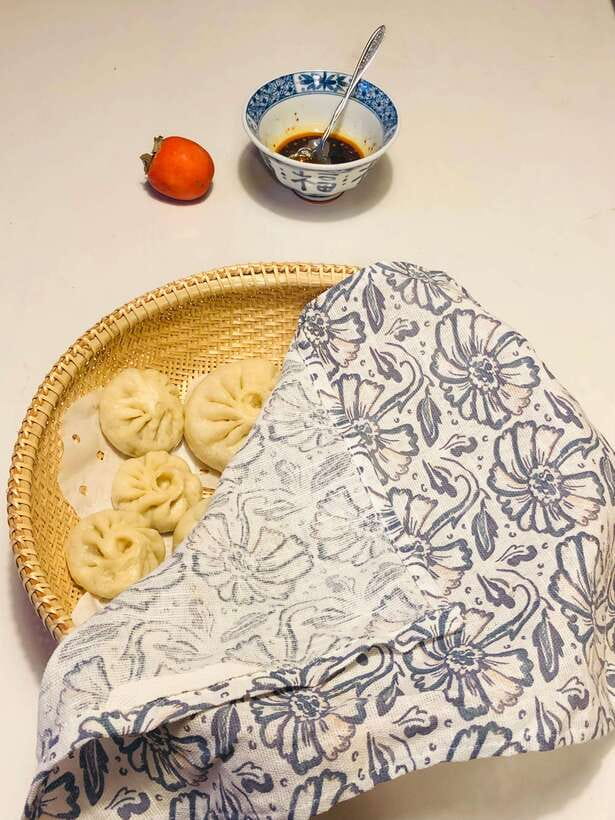
This is a big one, because it’s the difference between a smooth class and a stressful scramble. After booking, you receive both the Zoom link and an ingredient list. You should gather everything ahead of time.
Meat-friendly prep list
You’re asked to prepare:
- 2 cups all purpose flour
- Yeast
- Ground pork, beef, or chicken
- Green onion (sub: cabbage)
- Ginger
- Egg
- Soy sauce, vinegar, sesame oil
- Cooking wine
- Chicken bouillon
- 13 spice (sub: 5 spice)
- Black pepper
- Laoganma chili paste (optional, local chili paste)
- Salt
Learn a craft from a local
- Beijing Calligraphy Class★ 4.9 · 112 reviews
- Chinese Calligraphy Class for Small Group★ 5.0 · 104 reviews
- Beijing: Dumpling Making Workshop with Meal and Tea★ 4.7 · 69 reviews
- Beijing Wangfujing Calligraphy Class by Forbidden City★ 5.0 · 58 reviews
Vegetarian-friendly prep list
You’re asked to prepare:
- 2 cups all purpose flour
- Yeast
- Cabbage
- Green onion
- Carrot
- Egg (sub: tofu)
- Ginger
- Soy sauce, vinegar, sesame oil
- 13 spice (sub: 5 spice)
- Black pepper
- Laoganma chili paste (optional)
- Salt
A quick practical note: the substitution options are helpful. For example, swapping 13 spice with 5 spice, green onion with cabbage, and egg with tofu means you can adapt based on what you can find at local grocery stores. Still, you’ll want to plan shopping early so you’re not hunting for specific seasonings at the last minute.
How the lesson setup fits US and Europe time zones
Scheduling is unusually flexible for a live class. The lesson is designed to work for Europe or US time zone planning, so you can choose a time that feels closer to dinner or lunch rather than a random hour.
Also, the time can be changed at any point to suit your schedule and time zone. That’s a real advantage if you’re organizing a birthday, bridal shower, or team session where everyone’s availability changes.
Because the class happens on Zoom, you can choose whatever location you want to cook from. You’re not stuck traveling across town, and you’re not limited to specific opening hours for a physical studio. The only time constraint is joining your Zoom session during the scheduled window.
Vegan and vegetarian options that actually change the ingredients list
This class isn’t just “no meat allowed.” It includes an actual vegetarian or vegan-friendly approach with a clear ingredient plan. Vegan options are available, and the vegetarian list provides substitutions, including tofu in place of egg.
That matters because egg can affect dough texture and structure. Tofu can work as a substitute in many cooking contexts, but you still want the teacher’s guidance so your final dough behaves the way it should.
You can also choose your flavor profile. The ingredient list includes soy sauce, vinegar, sesame oil, ginger, and spice, so the buns keep that savory, aromatic profile people associate with Chinese steamed buns. If you like heat, laoganma chili paste is optional, so you can make it mild or spicy without changing the whole recipe.
Private group size up to 5, and why it’s great for events
The class is private, with a group size of up to 5 people. That’s ideal for intimate gatherings where everyone can see and follow. In cooking lessons, smaller groups often mean you get better attention and fewer awkward delays while you figure out what step you’re on.
This kind of setup works well for:
- Team building
- Birthday parties
- Bridal shower events
- Anniversaries and family celebrations
It’s also been used by tech and business teams, including names like LinkedIn, eBay, Meta, TikTok, and others. Even if you’re not corporate, the same idea applies: shared tasks create shared momentum. Everyone gets busy with the dough and steaming, and the conversation naturally turns into something easier than generic small talk.
Kids and adults both can have a fabulous time, as long as you’re ready for a hands-on activity. Dough can be messy, and rolling, shaping, and steaming require patience, so it’s best when you expect a little kitchen chaos and enjoy it.
Price at $99 per group: when it’s a bargain and when it’s not
At $99 per group up to 5, the pricing is built for shared value. The cost makes more sense when you’re splitting it among a small group, especially if you’re using it for a party or family gathering. For one person, it’s still workable, but you should weigh it against what you’d spend on ingredients plus a cookbook, because this is about guided learning, not just food.
What makes the price feel fair is the combination of:
- A private Zoom class
- Ingredient guidance before you start
- Step-by-step teaching in English
- A family recipe shared after class
If you’ll actually cook the buns again, the lesson becomes a skill investment. If you’re someone who likes to repeat recipes and improve technique over time, this is a solid way to learn once and then benefit repeatedly.
Common beginner pitfalls, and how this class helps you avoid them
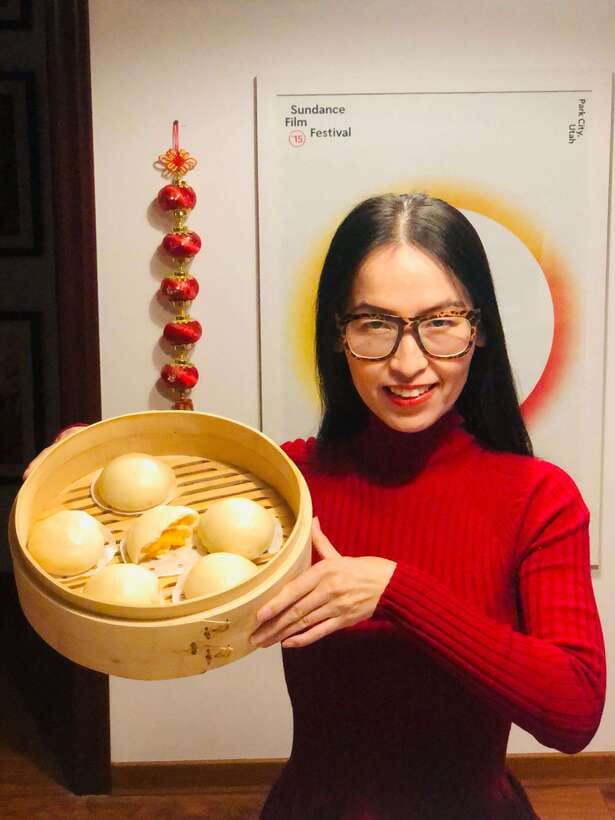
Steamed buns go wrong in a few predictable ways. You can fix most of them by paying attention to the right details early.
Here are the areas where a structured class helps:
- Dough timing: yeast dough needs time to develop. If you rush, the dough won’t behave right.
- Shaping accuracy: folds and thickness affect how evenly buns steam.
- Steam control: if steam is inconsistent, buns can cook unevenly.
- Flavor balance: spice swaps like 13 spice to 5 spice mean you might need the right expectations for taste.
Because Chef Sunflower Li focuses on dough science and authentic technique, you’ll have a clearer framework for troubleshooting. Instead of wondering why your bun looks different, you can connect the result to something you did in the dough, shaping, or steaming stage.
Your best follow-up step: use the shared family recipe
One of the most practical parts of this class is that a recipe is shared after the class. That’s how you turn a fun evening into real progress. You won’t have to rely on memory or fuzzy notes.
I recommend doing this:
- Save the recipe right away on your phone or in a folder.
- After your class, compare what you made to the ingredient list you prepped.
- Next time, adjust only one variable at a time, like spice level or filling thickness.
That approach helps you keep improving without getting lost in too many changes.
Who should book Chef Sunflower Li’s steamed buns class
This class is a great fit if you want:
- Authentic Chinese steamed buns technique without traveling to a studio
- An English-led class you can understand clearly
- A fun team or family activity for up to five people
- Vegetarian or vegan-friendly options with ingredient substitutions
- A repeatable outcome, plus a recipe after class
It might be less ideal if:
- You don’t want to do pre-class ingredient prep
- You hate live timing and prefer totally self-paced cooking
- You’re expecting a hands-off experience where someone else provides everything
If you’re the type who likes learning the “why” behind the food, this is the right energy.
Should you book this online steamed buns class?
I think it’s worth booking if you’re aiming for real technique and a meal you can reproduce. The big strengths are Chef Sunflower Li’s teaching approach, the private small-group setup, and the fact that vegetarian or vegan options come with a clear substitute list like tofu for egg. Add flexible scheduling across Europe and US time zones, and it becomes a practical plan for parties and group events.
If you’re comfortable with gathering ingredients ahead of time and you’re ready to cook during a live Zoom session, you’ll likely enjoy the learning and the results. If you want a pure travel-like experience or a no-prep activity, look for something with provided ingredients. For everyone else who wants better buns at home, this is a smart, value-friendly choice.
FAQ
How long is the steamed buns online class?
The class lasts about 2 hours.
What is the price for this cooking class?
It is $99 per group for up to 5 people.
Is it an in-person class?
No. It is an online cooking class on Zoom, and you do not meet in person.
Who will teach the class?
Chef Sunflower Li teaches the class. The instruction language is English.
How do I join the Zoom session?
After you book, you receive a Zoom meeting link via WhatsApp or iMessages, along with the ingredient list.
What ingredients do I need to prepare?
You prepare the ingredients ahead of time. The list includes flour and yeast, plus either a meat filling set (such as ground pork, beef, or chicken) or a vegetarian set (including cabbage and tofu as an option).
Is a vegan option available?
Yes. Vegan and vegetarian options are available, and tofu can be used as a substitute for egg in the vegetarian prep list.
Can I change the time of the class?
Yes. The schedule is flexible, and the time can be changed to suit your schedule and time zone.
Is there a cancellation policy?
Free cancellation is available up to 24 hours in advance for a full refund.
Is the class wheelchair accessible?
Yes, it is listed as wheelchair accessible.
Newly Listed Tours in Beijing
- Beijing Half Day Walking Tour-Tiananmen Square and Forbidden City★ 5.0 · 1 review
- 1-Day Beijing private English speaking guide with driver service★ 5.0 · 1 review
- Flexible Private Layover Beijing Night Sightseeing with English Speaking Driver★ 5.0 · 1 review
- Private Day Trip to Huaibei International Ski Resort and Mutianyu Great Wall★ 5.0 · 1 review
- 2-Day Customizable Beijing Highlight Tour with Airport Transfer Option★ 5.0 · 1 review
- 1-Day Beijing Private tour: Mutianyu Great Wall and Summer Palace★ 5.0 · 1 review
- Private Virtual Tour in Beijing★ 4.0 · 1 review
- 1-Way Private Transfer Service between Tianjin cruise Port and Beijing hotels★ 5.0 · 1 review
Workshops, compared.
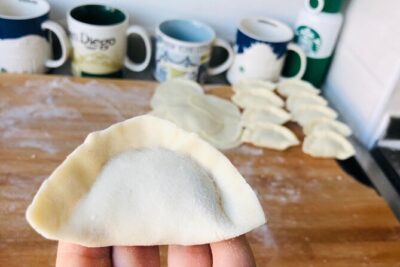
Online Cooking Class Beijing Dumplings and Cuisine by Sunflowerli Renowned Chef
Read our review →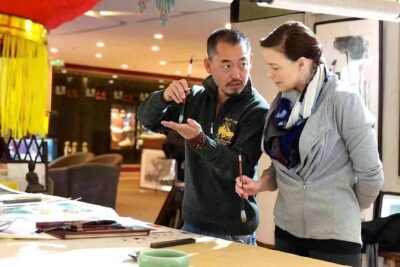
Beijing Wangfujing Calligraphy Class by Forbidden City
Read our review →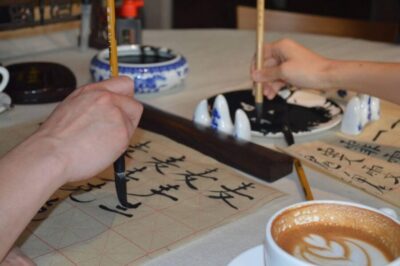
Beijing Wangfujing Calligraphy Class Nearby Forbidden City
Read our review →
Chinese Kungfu class in old temple beside Forbidden Ci
Read our review →
Browse the lists this tour appears in